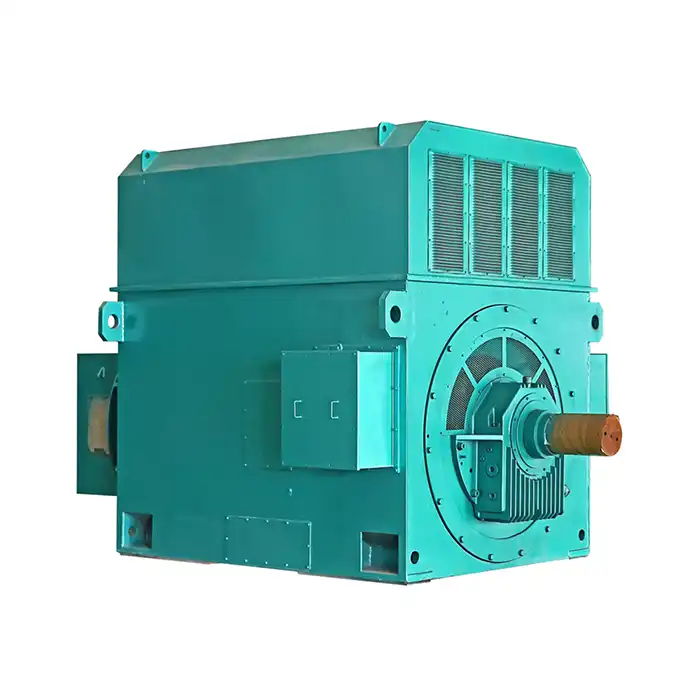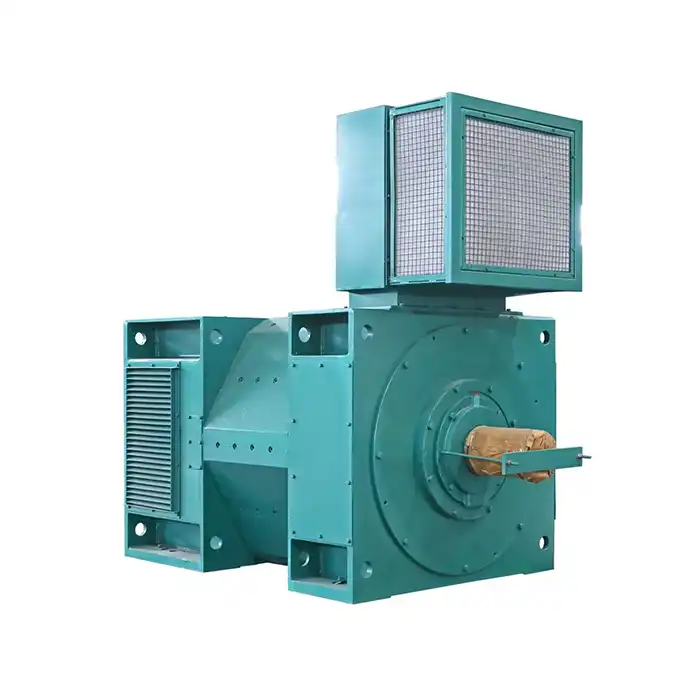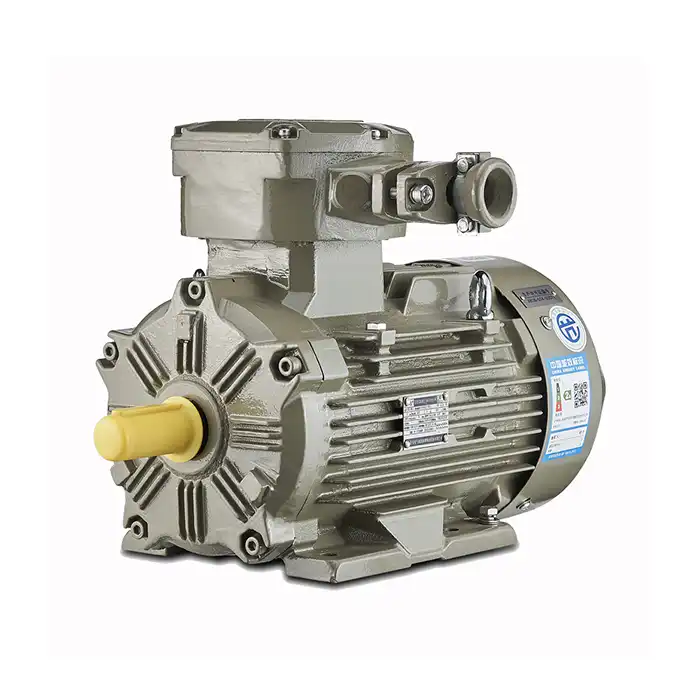




How Vertical Water Pump Motors Are Essential for Irrigation Systems?
Modern farming can't do without vertical water pump motors, which make large-scale watering work well. They work better in deep wells and tight places than horizontal pumps because they can give constant water flow over large areas. Their vertical position lets them pump from great depths, which keeps them highly efficient and reliable for long periods of time.
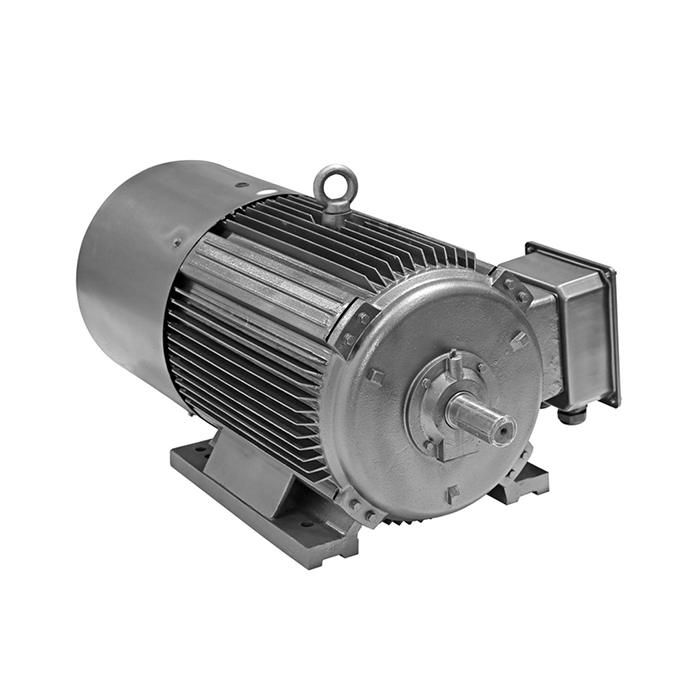
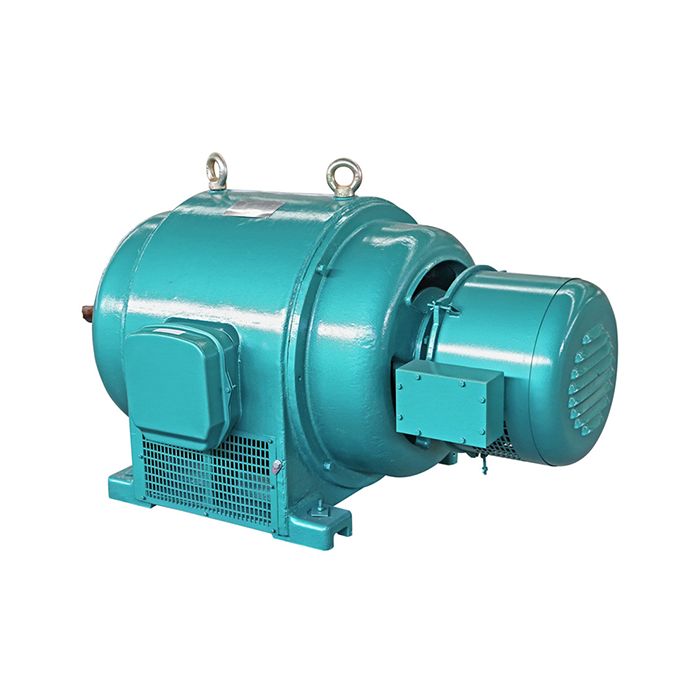
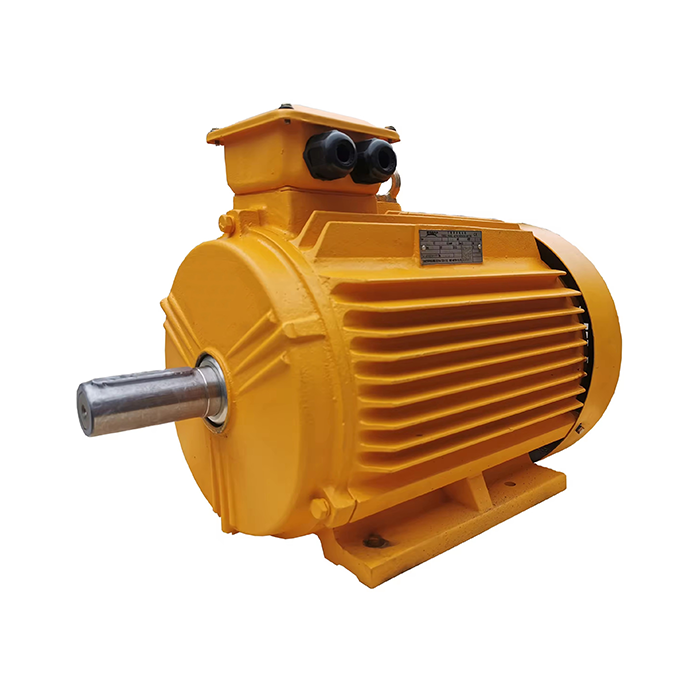
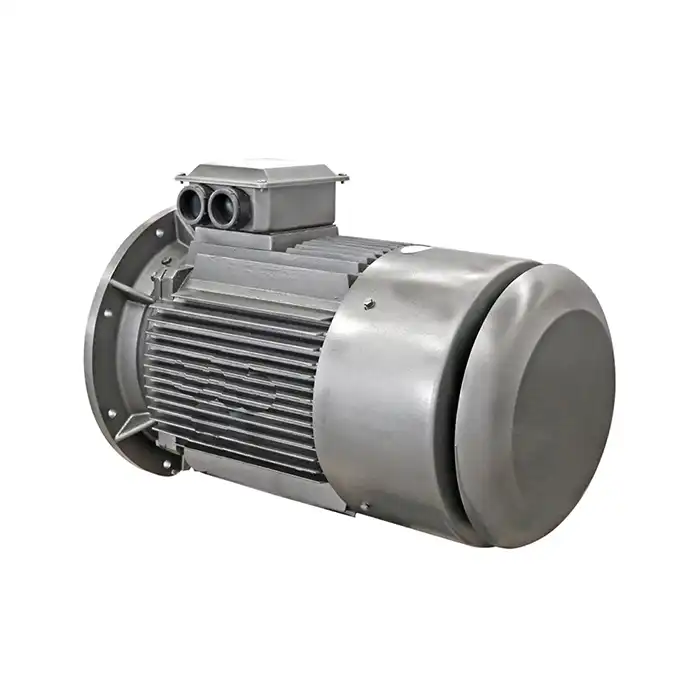
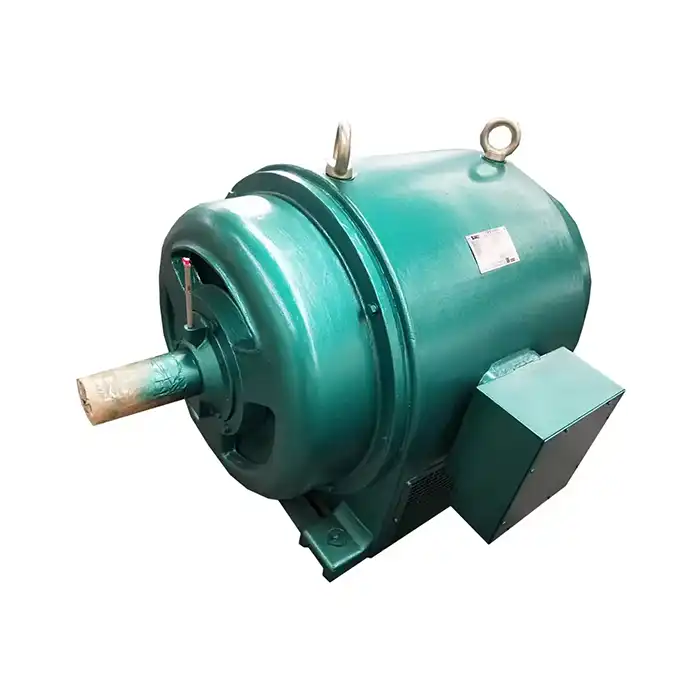
Series:YVFE2
Frequency conversion range:30hz~50hz,5hz~70hz,5hz~100hz
Power range:0.75-355kW
Protection level:IP55
Application:are suitable for driving various mechanical equipment that require continuous and frequent forward and reverse rotation, such as steel rolling, lifting, transportation, machine tools, printing and dyeing, papermaking, chemicals, textiles, pharmaceuticals, etc., and can be used with various domestic and foreign variable frequency power supplies.
Advantage:high efficiency, wide speed range, high precision, stable operation, and easy operation and maintenance.
Certificate:installation dimensions comply with International Electrotechnical Commission (IEC) standards.
Others: SKF, NSK, FAG bearings can be replaced according to customer requirements.
Understanding the Core Technology Behind Vertical Pump Systems
Vertical vs. Horizontal Motor Configurations
Vertical water pump motors operate differently from horizontal counterparts, with the motor positioned above the pump assembly. A long shaft extends downward to drive the impeller located deep within the water source, providing advantages in applications like irrigation.
Precision Engineering for Reliable Performance
To make a vertical water pump system, the shafts must be perfectly aligned, the bearings must be strong, and hydraulic forces must be carefully thought through. Motors today are made with high-tech materials and design features that make sure they work smoothly even in tough situations, like when they have to work for long periods of time, which is common in farming settings.
Enhanced Cooling for Extended Duty Cycles
Motor housings in vertical water pump systems are made with better cooling systems to handle the long job cycles that are common in farming settings. This keeps the motors from burning and makes sure they work reliably during busy times.
Automatic Priming Capability
One great thing about vertical water pump motors is that they can keep their prime on their own. This method doesn't have starting problems like horizontal pumps do because the pump unit stays buried or below the water level. This means that there is less downtime during important watering times.
Key Applications of Vertical Water Pump Motors in Agriculture
Deep Well Water Extraction
Vertical water pump motors work great for farming that uses water from deep underground. Because they are made to fit long rods, pumps can reach water tables 100 feet or more below the surface. These systems make sure that water is always delivered, that flow rates stay steady, and that energy is used efficiently, even when pumps are running for long periods of time.
Irrigation Canal and Reservoir Pumping
Moving water quickly and efficiently from ditches, rivers, and lakes, vertical water pump motors are great for large-scale farming. Their small size lets many installs happen along rivers without any problems. These systems can be flexible and efficient to meet changing water needs during peak watering times because the pumping rates and frequency drives can be changed.
Drainage and Water Management
Vertical water pump motors are very important for farming drainage because they get rid of extra water quickly when it rains a lot or in areas that are likely to flood. Their strong design can handle tough circumstances and makes sure they work reliably in an emergency. These methods keep the earth at the right level of wetness and make sure that fields can be reached, which protects crops and capital after big weather events.
Greenhouse and Controlled Environment Applications
Modern greenhouses can't work without vertical water pump motors, which reliably move water for nutrient solutions, cooling towers, and climate control. Their small size works well in plans with limited room, and they run quietly, making as little noise as possible. Also, these motors can change to different powers, so they work the same way every day.
Livestock Water Supply Systems
Vertical water pump motors ensure reliable water delivery for livestock operations, handling both routine and emergency needs. Their design efficiently pumps water to elevated tanks, maintaining energy efficiency. These motors offer year-round reliability, supporting consistent water access for animals in all weather conditions, with robust construction for demanding service.
Specialty Crop Irrigation
For high-value crops like trees and vines, vertical water pump motors are necessary because they give exact control for micro-sprinklers and drip watering. With variable frequency drives, these systems can change to different pressure and flow requirements. This makes sure that the same amount of water is applied to all areas, which improves food quality and yields.
The Technical Advantages That Drive Agricultural Success
High Efficiency and Reduced Energy Costs
Vertical water pump motors are very efficient; across their entire working range, they usually have efficiency levels above 85%. They are a good investment for farms because they save money on energy costs because they are so efficient.
Superior Hydraulic Efficiency
The vertical arrangement of these motors makes hydraulics work better, especially when they are used for watering. When water moves naturally downward through a system, it cuts down on the energy loss that happens when horizontal pumps use complicated pipe designs.
Easy Maintenance Accessibility
Since vertical water pump motors are placed at ground level, routine maintenance tasks like lubricating bearings, connecting electrical wires, and general checks can be done quickly and without the need for special tools or confined space processes.
Exceptional Durability and Longevity
Vertical water pump motors are highly durable, performing reliably under the demanding conditions typical in agricultural environments. With proper maintenance, these motors can operate for decades, offering excellent return on investment for farming operations.
Installation and Integration Considerations
Shaft Alignment for Long-Term Performance
When installing vertical water pump motors, it is essential to ensure that the shafts are aligned correctly. This is particularly true when the shaft lengths are increased, as is often the case in agricultural applications. The prevention of premature wear and the reduction of the danger of vibration-related difficulties are both associated with ensuring precise alignment.
Foundation Design for Stability
For the foundation design to be effective, it must be able to sustain not just the static weight of the motor assembly but also the dynamic forces that are created during operation. This necessitates the use of specialised foundation techniques in order to guarantee a vibration-free and stable operation of agricultural facilities, which often encounter difficult soil conditions.
Electrical Considerations and Protection
When it comes to electricity, some of the most important things to think about are making sure that motors are properly protected, connecting control systems, and correcting the power factor when needed. Modern setups usually have remote tracking features that let workers keep an eye on performance and fix problems before they become system crashes.
Hydraulic Integration with Irrigation Infrastructure
For connection with current watering systems to work, a thorough hydraulic study is needed. To make sure everything works well together, the pipes and valves must be the right size, and the system head needs to be taken into account.
Maintenance Strategies for Maximum Reliability
Proactive Maintenance for Reliability
If you want to make sure that your vertical water pump motor works well in farming settings, you need to do regular repair. Regular inspections should cover both mechanical and electrical parts, especially since farming businesses usually have to deal with changes in demand during certain times of the year.
Bearing Maintenance and Lubrication
Due to the long shaft lengths and changing loads that are widespread in farming uses, bearing upkeep is very important. Modern synthetic oils and automatic greasing systems can make bearings last a lot longer while also cutting down on the cost of labour needed for upkeep.
Shaft Alignment Monitoring
Monitoring the shaft's balance helps stop problems with early wear and shaking that could cause costly fails during important watering times. Laser alignment tools make exact changes and readings, which extends the life of the equipment.
Electrical System Maintenance
It is important to do regular upkeep on your electrical system, such as checking the connections, the shielding, and the motor windings. These precautions help keep motors from breaking down without warning, which could stop watering crops during important growing stages.
Economic Impact and Return on Investment
Energy Efficiency and Payback Period
When vertical water pump motors are installed, they often pay for themselves quickly because they use less energy. Because they use less energy, they save a lot of money over time, making them a good investment for farming uses.
Reduced Repair Costs and Downtime
When reliability goes up, service costs go down and loses from watering system downtime go down as well. Losses in food output can happen when pumps stop working at crucial times in the growth process. This is why buying reliable equipment is much more cost-effective in the long run.
Labor Cost Reductions
Installing vertical pumps cuts down on the need for upkeep and makes the system more automated, which saves money on labour costs. Most of the time, these machines can run for long periods of time with little or no help from a person. This lets farm workers focus on other important tasks.
Water Conservation Benefits
Water saving is helped by making systems more efficient and letting you control flow better. As the price of water goes up and its supply goes down in many farming areas, these benefits become more important. They help make the best use of resources and lower running costs.
Future Developments and Industry Trends
Advancements in Variable Frequency Drive Integration
As technology improves, variable frequency drives (VFDs) become more complex. This makes them more energy efficient and gives farmers better control over their vertical water pump motors.
Smart Monitoring and Predictive Maintenance
When smart tracking systems are added, they give real-time information about how things are running. This lets repair plans be more accurate and operations be run more efficiently. These changes help farming companies make their tools last longer and save money at the same time.
Improved Durability and Corrosion Resistance
Improvements in material science, such as better finishes and metal choices, make vertical water pump motors last longer and be less likely to rust. This is especially important for farming uses where pumps may have to deal with water that has different chemical makeups.
Evolving Energy Efficiency Standards
As energy efficiency standards continue to evolve, motor designs are becoming even more efficient. These improvements help agricultural operations reduce operating costs while also supporting environmental sustainability goals.
Conclusion
Vertical water pump motors are important for modern farming because they are reliable, efficient, and flexible. Their system works great for large-scale projects and deep wells. These motors are a great deal because they use little energy, are easy to maintain, and last a long time. They help with water management and long-term watering for the world's growing population.
Frequently Asked Questions
1. What is the typical lifespan of a vertical water pump motor in irrigation applications?
If you keep up with it, a vertical water pump motor can last 15 to 25 years or even longer if you use clean water and do the right upkeep. Conditions of operation and job cycles have a big effect on life.
2. How do vertical water pump motors compare to horizontal pumps for deep well applications?
Vertical water pump motors are ideal for deep well installations, accommodating long shafts for deep water sources while keeping the motor at ground level for easy access. Horizontal pumps struggle beyond 25-30 feet due to suction limitations.
3. Can vertical water pump motors operate with variable speed drives?
Modern motors for vertical water pumps work great with variable frequency drives, which give you better control over system pressure and flow rates. This feature comes in handy for watering tasks where water needs change throughout the day and throughout the year.
Partner with XCMOTOR for Your Irrigation Water Pump Solutions
XCMOTOR is a trusted Vertical Water Pump Motor supplier that offers premium vertical water pump motors tailored for demanding agricultural applications. As an experienced manufacturer, we understand modern farming challenges and provide reliable, efficient solutions. Our engineering team works closely with professionals to specify optimal motor configurations, backed by comprehensive support and fast global delivery. Contact us at xcmotors@163.com to discuss your irrigation needs and explore how our proven solutions can enhance your operations.
References
1. American Society of Agricultural and Biological Engineers. "Design and Installation of Pumping Systems for Agricultural Applications." ASABE Standards, Engineering Practices, and Data. 2019.
2. Food and Agriculture Organization of the United Nations. "Energy-Smart Food for People and Climate: Issue Paper." Rome: FAO Publications Division, 2011.
3. Hydraulic Institute. "Pump Life Cycle Costs: A Guide to LCC Analysis for Pumping Systems." Hydraulic Institute Standards, Third Edition. 2012.
4. International Commission on Irrigation and Drainage. "Agricultural Water Management for Sustainable Rural Development." Annual Report on Global Water Management Practices. 2020.
5. National Center for Appropriate Technology. "Pumping Water with Solar Electricity." NCAT Agriculture Energy Series Publication. 2018.
6. United States Department of Agriculture. "Farm Energy Efficiency and Water Management Systems." Natural Resources Conservation Service Technical Guidelines. 2021.