



Low Voltage AC Motor vs High Voltage: Key Differences Explained
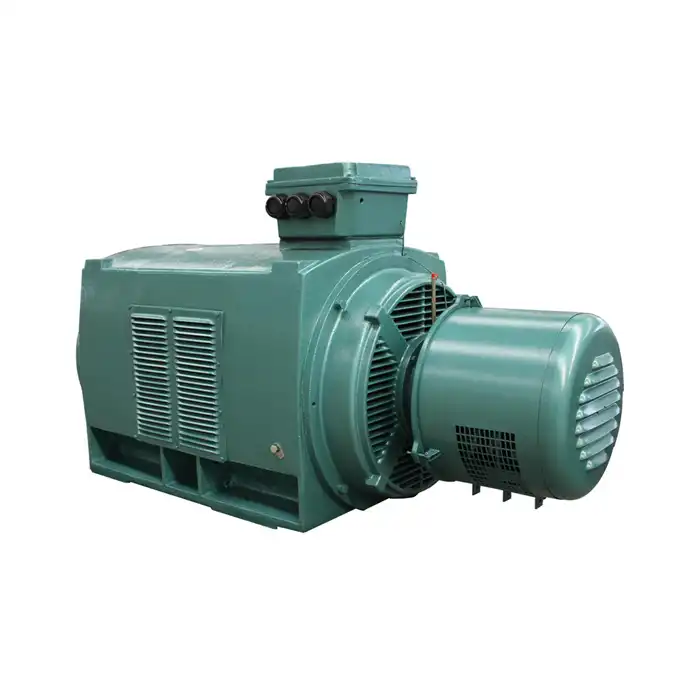
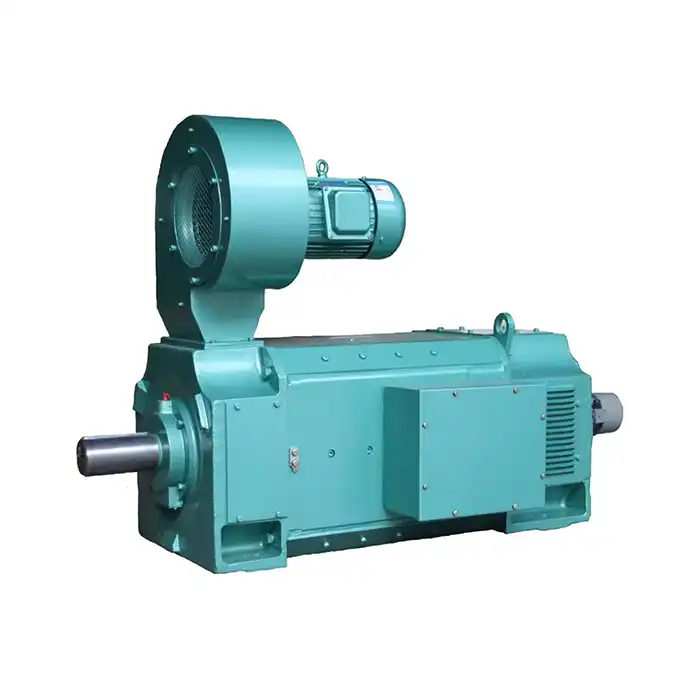
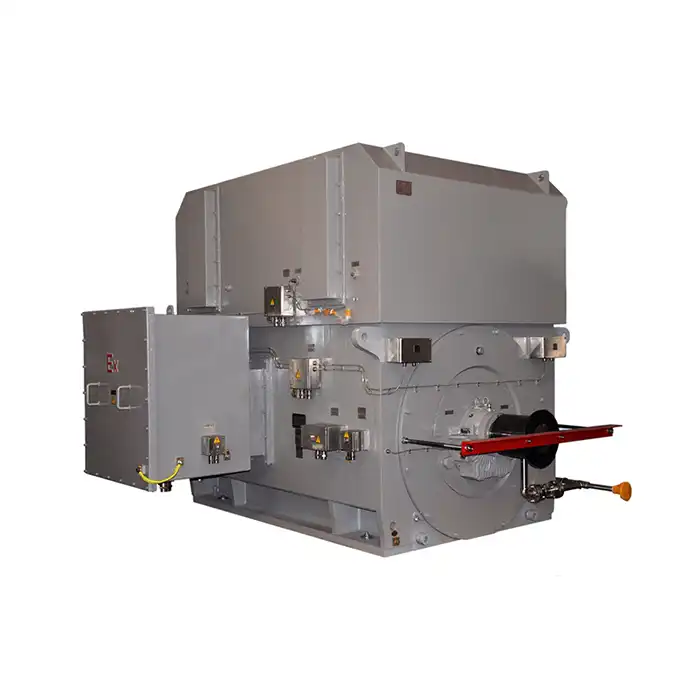
When comparing a low voltage ac motor to a high voltage motor, the core distinction lies in their operating voltage ranges and the industrial contexts they serve. A low voltage ac motor typically operates below 1,000V—most commonly at 380V, 400V, 415V, or 660V—making it the go-to solution for general-purpose machinery, pumps, fans, compressors, and manufacturing equipment. High voltage motors operate above 1,000V and suit large-scale, heavy-duty installations. Understanding these differences helps procurement professionals select the right motor for their operations without overspending or underspecifying.
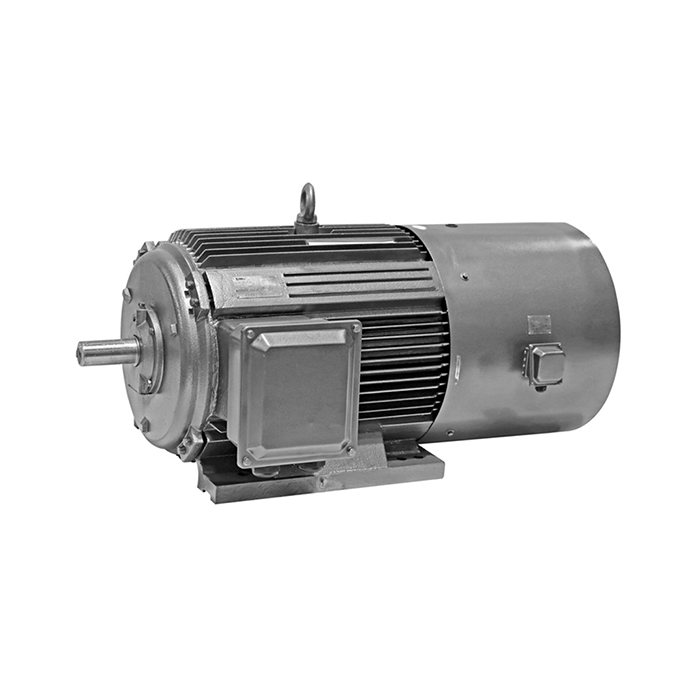
Series:YE3
Frame number: 80-450
Power range:0.75-1000kW
Protection level:IP55
Energy efficiency class: IE3
Voltage range: 380V,400V,415V,660V, etc.
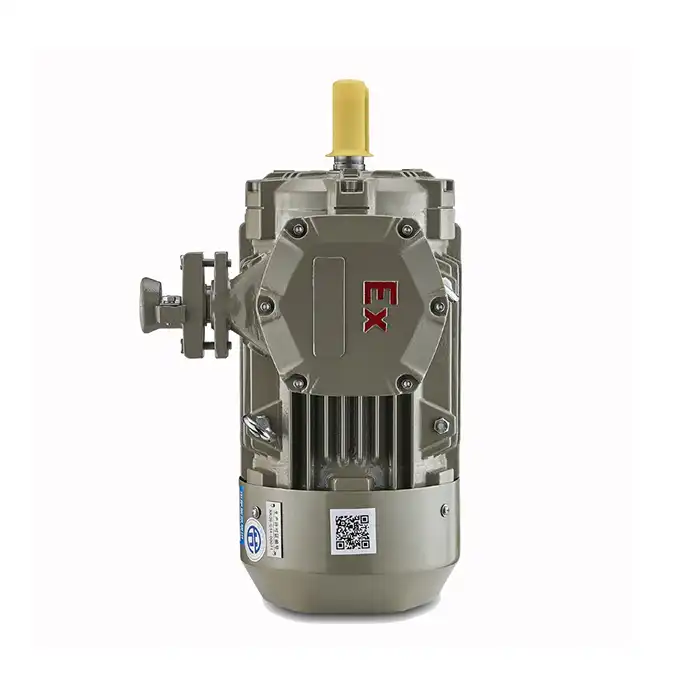
Application:can be used in various fields of the national economy, such as machine tools,water pumps,fans,compressors,and can also be used in transportation, mixing, printing, agricultural machinery, food and other occasions that do not contain flammable, explosive or corrosive gases.
Certificate: international standard IEC60034-30 "Efficiency Classification of Single-speed Three-Phase Squirrel Cage Induction Motors".
Advantage:The high quality of the electric motor guarantees high operational reliability.
Others: SKF, NSK, FAG bearings can be replaced according to customer requirements.
Understanding Low Voltage AC Motors and High Voltage AC Motors
What Sets the Two Voltage Classes Apart
Standard industrial wiring can easily handle the levels that a low voltage ac motor needs to run. The majority of companies, workshops, and distribution networks around the world already have 380V–660V three-phase power, so adding a low voltage ac motor doesn't require much extra equipment. High voltage motors, on the other hand, need special transformers, switches, and insulation-grade wiring, which all make things more complicated and cost more up front.
Construction is also very different. To handle more current at a lower voltage, a low voltage ac motor has thicker copper windings. To handle the lower current that comes with higher voltage, high voltage motors have finer windings and thicker insulation. There are good uses for both types in industry, but a low voltage ac motor is better for most everyday industrial loads, like machine tools, water pumps, conveyor belts, and ventilation fans.
The IEC says that anything up to 1,000V AC is low voltage. The IEC 60038 standard from the International Electrotechnical Commission says that the most common low voltage power systems around the world are 380V and 400V. This is the same voltage range that a normal low voltage ac motor used in general industry works at.
Key Technical Differences Between Low Voltage and High Voltage AC Motors
Performance, Torque, and Maintenance Realities
In real life, the choice between voltage classes affects how much power is delivered, how fast the motor can be controlled, and how much it costs to repair.
A variable frequency drive (VFD) and a low voltage ac motor work together to give you very flexible speed control over a wide power range. This mixture works well for pumps, fans, and mixers whose load needs change often. VFDs can also be used with high voltage motors, but the drive systems are much more expensive and harder to find in most areas.
Patterns of maintenance are also different. Most industrial electricians can perform the simple jobs of replacing a low voltage ac motor's bearings, checking the winding resistance, and testing the insulation themselves. It takes longer and costs more to service high voltage motors because they need stricter safety rules and special test equipment.
When it comes to buying things, these are the main technical differences that matter:
- Operating voltage: A low voltage ac motor works between 50V and 1,000V, while a high voltage motor works above 1,000V, usually at 3,300V, 6,600V, or 11,000V.
- Installation complexity: High voltage systems need specialized safety switches and insulated bus systems; a low voltage ac motor can be installed into existing standard industrial switchgear without the need for transformer upgrades.
- Drive compatibility: Variable frequency drives (VFDs) for low voltage ac motors are widely available, cheap, and easy to find around the world; high voltage drive systems, on the other hand, are much more expensive.
- Bearing and winding service: Regular repair on a low voltage ac motor is faster, cheaper, and can be done by employees who aren't certified to work with high voltages.
These differences have a direct effect on operational uptime and total cost of ownership, which are two very important factors for distributors and end users who are trying to keep their profit margins low.
Industrial Decision-Making: Choosing Between Low Voltage and High Voltage AC Motors
Matching Motor Voltage Class to Real Operational Needs
A low voltage ac motor is most effective for industry uses under 500kW. When a single motor is more than 1,000kW or when the power supply system is already set up for high voltage distribution, like in big mining, petrochemical, or power production facilities, it makes sense to switch to high voltage.
The low voltage ac motor is the best choice for wholesalers who work with machine tool shops, pump makers, HVAC assembly shops, and other industry facilities. It's easier to get spare parts, stock turns over faster, and customers can repair units without having to call in expert workers.
Another thing to think about is regulatory compliance. A low voltage ac motor that is certified to IEC 60034-30 and has an IE3 efficiency rating meets the current legal standards in the European Union. It also meets the energy efficiency goals that are being accepted more and more in Southeast Asia, the Middle East, and Africa. Finding motors with certified records keeps distributors from having to deal with compliance issues later on.
Cost-of-ownership studies regularly show that a properly chosen low voltage ac motor has lower total running costs for loads under 500kW. It is easier to install, costs less to maintain, and fixes problems faster than high voltage options in the same power range.
Supplier and Brand Insights: Finding Reliable Low Voltage AC Motors
What to Look for When Sourcing at Scale
There is more to judging a low voltage ac motor provider than just the price per unit. Before committing to volume, distributors and purchasing managers should look at the supplier's ability to support small trial orders as well as the amount of stock across standard frame sizes, shipping wait times, and certification documents.
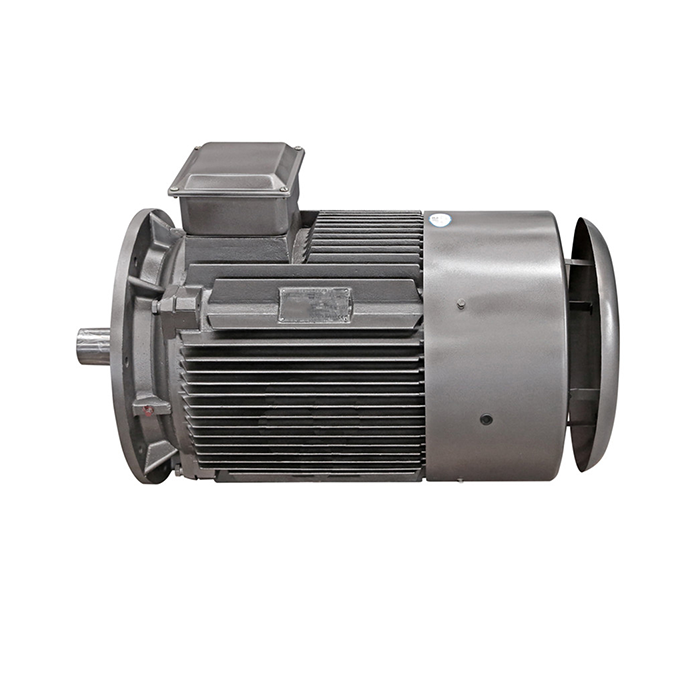
At XCMOTOR (Shaanxi Qihe Xicheng Electromechanical Equipment Co., Ltd.), we have supplied low voltage ac motors for over two decades. Our YE3 series three-phase squirrel cage induction motor is a concrete example of what a well-specified low voltage ac motor looks like in practice:
- Series: YE3 | Frame: 80–450 | Power: 0.75–1000kW
- Protection: IP55 | Efficiency class: IE3 | Voltage: 380V, 400V, 415V, 660V
- Certification: IEC 60034-30, international standard for efficiency classification
- Bearings: SKF, NSK, or FAG—can be switched out based on customer needs
- Applications: Machine tools, water pumps, fans, compressors, conveyors, mixers, printing, food processing, agricultural machinery
The YE3 low voltage ac motor is designed to work continuously and reliably in places where service is essential. IP55 protection stops dust and water from getting in, which is common in real industrial settings. End users will save money on running costs thanks to the IE3 grade, which also makes the provider more valuable in markets where competition is high.
Our production process applies precision winding, automated quality checking, and materials from trusted sources are all used in our production process to make sure that every low voltage ac motor that leaves our plant meets performance standards that have been written down. We are certified by both IEC and CE, and our motors work with the most popular VFD platforms around the world.
Optimizing Motor Use: Maintenance and Performance Tips
Practical Steps to Extend Motor Service Life
It is safe to have a low voltage ac motor, but it needs regular upkeep to keep working at its best for as long as it is used. The motor maker should tell you how often to grease the bearings—usually every 2,000 to 4,000 hours of use, but this can change based on the load and the environment. Testing the insulation resistance at least once a year finds winding wear and tear before it leads to failure.
Thermal control is very important. Insulation deteriorates more quickly when a low voltage ac motor is operated above its maximum duty cycle without enough air flow. Making sure that the motor is mounted correctly so that air can flow and that the temperature inside stays within the label range is the easiest way to make the motor last longer.
For places that want to do predictive maintenance, vibration monitoring sensors on the bearing housings of a low voltage ac motor can find early signs of bearing wear and rotor imbalance. This way, the bearings can be replaced on time instead of having to be fixed right away. This method cuts down on unplanned downtime and lowers the total cost of maintenance over the life of the motor.
Conclusion
It's not hard to decide between a low voltage ac motor and a high voltage motor once you know what you need them for, especially in the low horsepower ac motor market. For most industrial loads, like pumps, fans, compressors, machine tools, and conveyor systems, a low voltage ac motor is the best choice because it works well, is easy to reach, saves money, and is simple to maintain. High voltage systems are used in a specific part of large-scale industrial infrastructure where the extra complexity is needed because of the power levels and site conditions. When distributors and purchasing teams know these limits, they can make better decisions about what to sell and enjoy better customer satisfaction.
FAQ
1. What voltage range does a low voltage ac motor typically operate at?
Between 50V and 1,000V AC is the typical operating range of a low voltage ac motor. Most of the time, 380V, 400V, 415V, and 660V are used as industry power voltages. These values are the same as the three-phase industrial equipment that is common in Southeast Asia, the Middle East, Africa, and Europe.
2. What is the IE3 efficiency class for a low voltage ac motor?
Under IEC 60034-30, IE3 is the Premium Efficiency rating. It has a clear improvement over IE2 motors in terms of electrical losses. This means that it will use less energy and cost less to run over the motor's lifetime. For new low voltage ac motor installations, IE3 is now the base requirement that must be met.
3. Can a low voltage ac motor be used with a variable frequency drive?
Yes. One of the best and most useful ways to get variable speed control in pump, fan, and compressor applications is to pair a low voltage ac motor with a VFD. VFDs that work with low voltage ac motors are easy to find and reasonably priced on global markets.
Get Your Low Voltage AC Motor Quote from XCMOTOR Today
The YE3 series low voltage ac motors from XCMOTOR is available for immediate shipment in standard frame sizes ranging from 80 to 450 and can handle 0.75kW to 1000kW of power in a variety of voltage setups. We are a reliable low voltage ac motor source with more than 20 years of manufacturing experience. We offer open payment terms, small trial orders, and documentation in multiple languages. You can email us at xcmotors@163.com or go to motorxc.com to ask about prices and stock.
References
1. International Electrotechnical Commission. IEC 60034-30: Efficiency Classes of Line Operated AC Motors. IEC, 2014.
2. International Electrotechnical Commission. IEC 60038: IEC Standard Voltages. IEC, 2009.
3. Mohan, Ned. Electric Machines and Drives: A First Course. Wiley, 2012.
4. Chapman, Stephen J. Electric Machinery Fundamentals. McGraw-Hill Education, 2011.
5. Waide, Paul, and Conrad U. Brunner. Energy-Efficiency Policy Opportunities for Electric Motor-Driven Systems. International Energy Agency, 2011.
6. Boldea, Ion, and Syed A. Nasar. The Induction Machine Handbook. CRC Press, 2002.