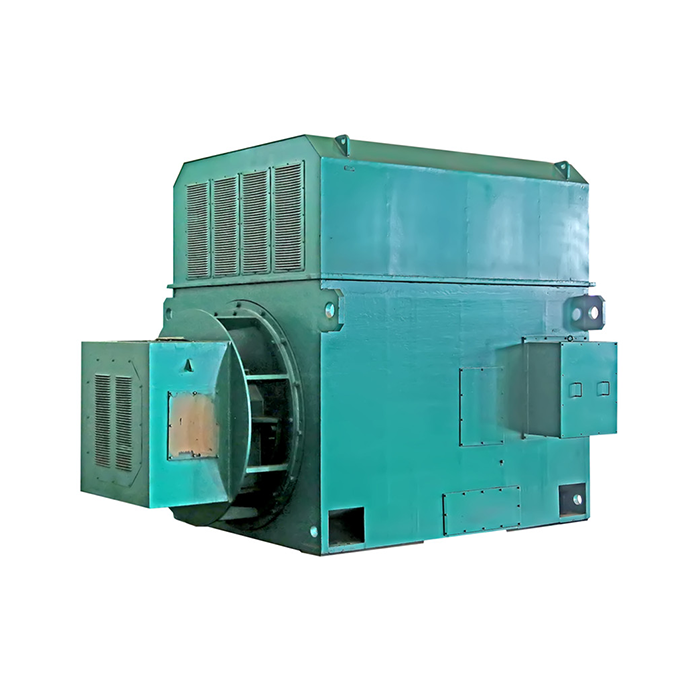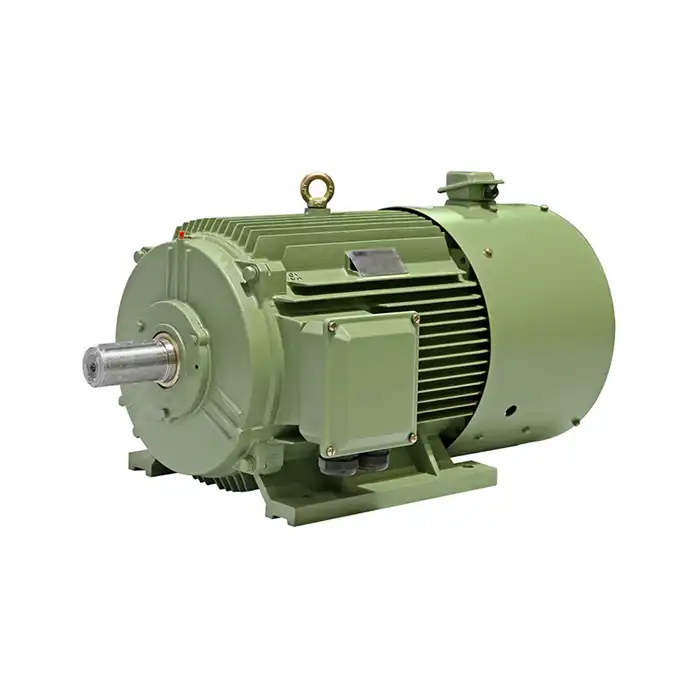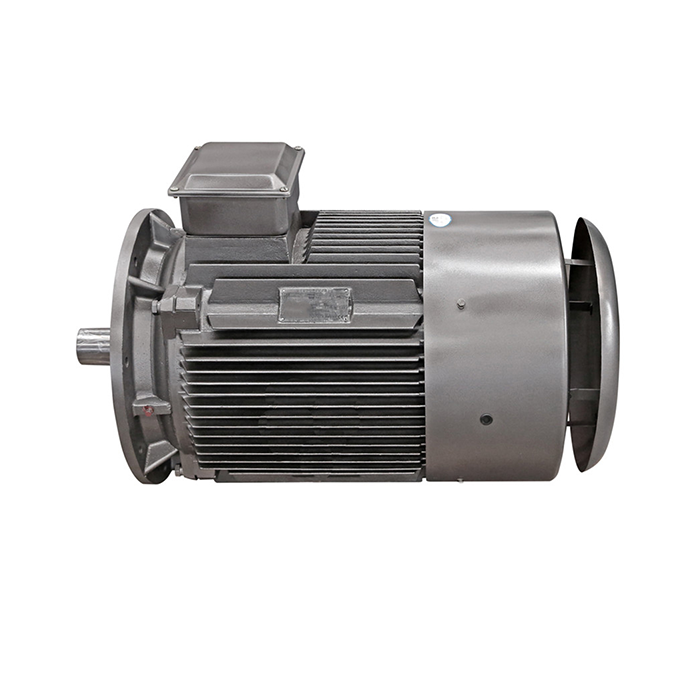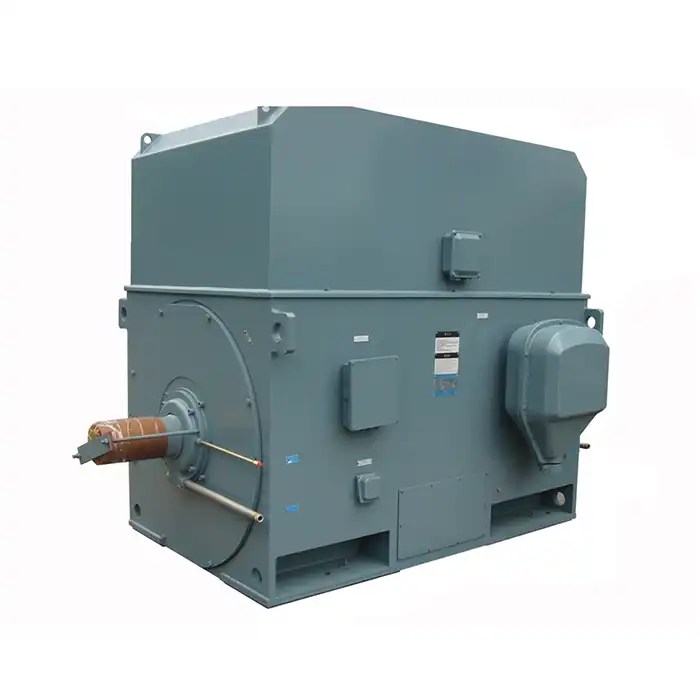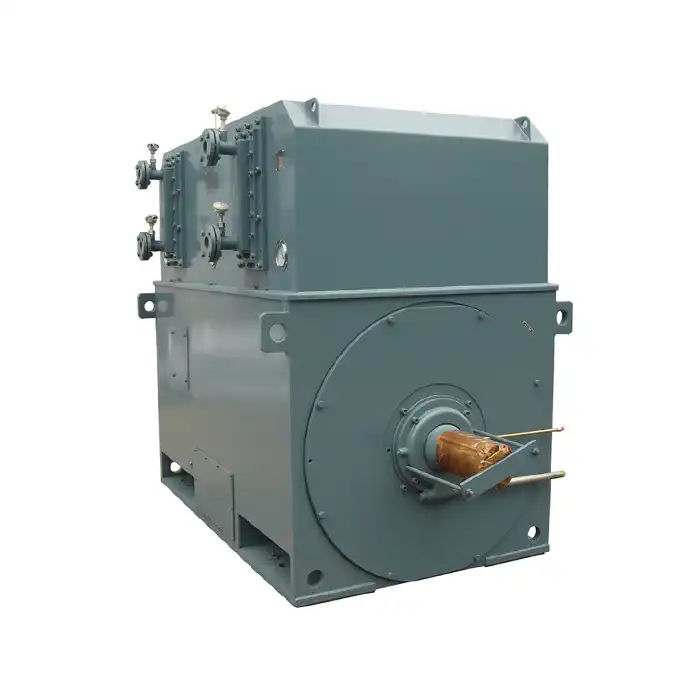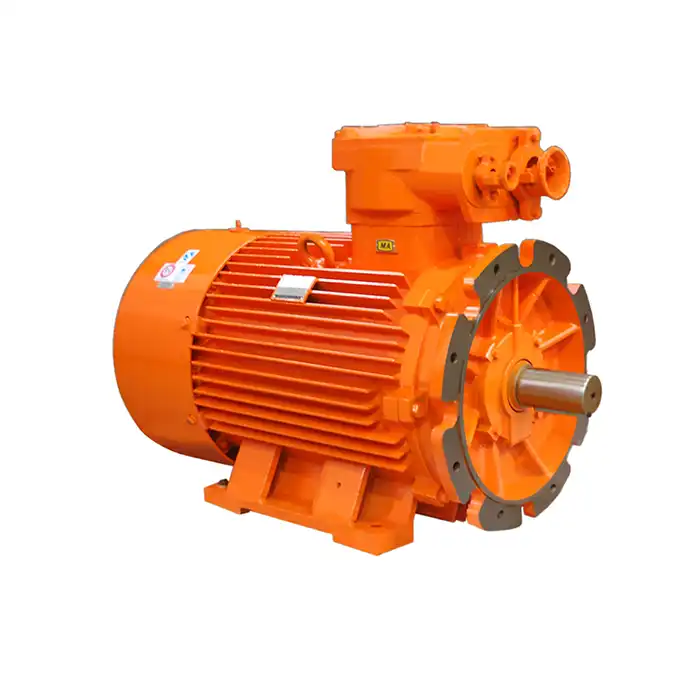




IE3 Motors: Premium Efficiency for Your Drive Technology
Increasing energy costs and stricter environmental rules make the high efficiency motor ie3 a useful option that gives measured results for industrial sites. These high efficiency motor ie3s meet IEC 60034-30-1 standards. They use less electricity because they turn input power into mechanical work more efficiently than older motors. High efficiency motor ie3s are up to 96% efficient in a wide range of settings, from factories to water treatment plants. This means that you'll spend less on utilities and leave less of a carbon footprint, while still getting the stability that process-critical apps need.
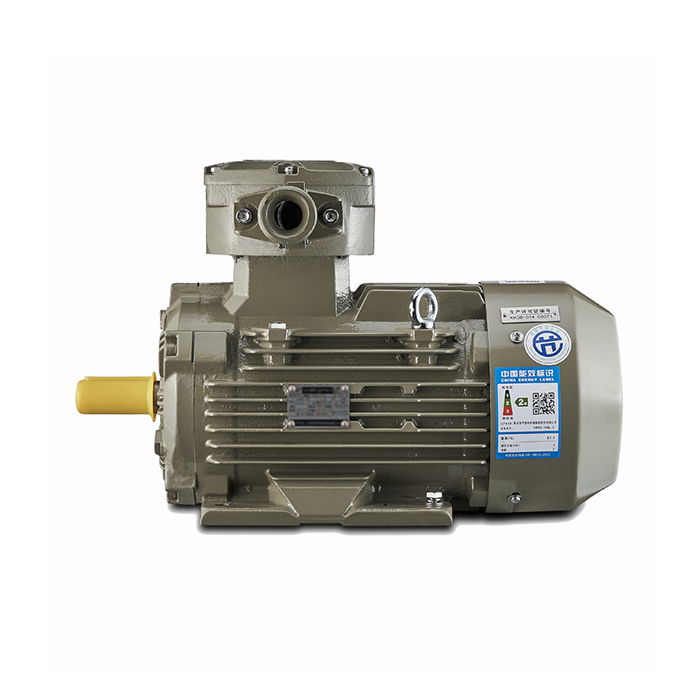
Series:YBX3
Voltage range:380V,660V,415V,380/660V,660/1140V
Power range:0.55-630 kW
Application:places where explosive gas mixtures exist in petroleum, chemical, mining, metallurgy, electric power, machinery and other industries.
Advantage: fully enclosed, self-fan cooling, squirrel cage type, high efficiency.
Explosion-proof mark: Ex d I Mb, Ex d IIB T4 Gb, Ex d IIC T4 Gb
Others: SKF, NSK, FAG bearings can be replaced according to customer requirements.
Understanding IE3 Motors and Their Efficiency Rating
What Defines IE3 Classification
The International Electrotechnical Commission created the IE (International Efficiency) rating system to make performance standards for motors more consistent around the world. In comparison to IE2 standard efficiency and IE1 basic efficiency types, a high efficiency motor ie3 is in the top efficiency tier. This category takes into account how well the generator works at full load, when only partially loaded, and when the power factor is high. Motors that are given the IE3 label go through a lot of tests that make sure they can convert energy in a variety of situations.
Technical Innovations Enabling Superior Performance
Premium efficiency motors are different from regular units because they use advanced electromagnetic design. Engineers work to make the stator windings, rotor slot shapes, and magnetic core materials as good as they can be so that resistance losses and hysteresis effects are kept to a minimum. Our high efficiency motor ie3 uses vacuum pressure impregnation during production, which seals the windings against moisture and improves their ability to conduct heat. Precision rotor balance cuts down on shaking and bearing wear, which makes the machine last longer. The squirrel cage design provides strong starting power without the need for regular upkeep that comes with wound rotor designs.
Measurable Benefits Beyond Energy Savings
Many benefits come from using a high efficiency motor ie3 besides just using less electricity. Less electricity loss means less heat production, which means that enclosed areas don't need as much cooling. Utility companies charge less for reactive power when the power factor qualities are better. The Class B temperature rise limit shields the structure of the insulation and delays degradation. All of these things work together to make the motor last longer between breakdowns and cost less to own over its entire working life.
Comparing IE3 Motors with Other Efficiency Classes
Performance Metrics Across Efficiency Tiers
From IE1 to IE3, there are small changes in the process of converting electricity to mechanical energy. A 75 kW IE1 motor might have an efficiency of 92%, a 94% IE2 unit might have the same efficiency, and a 95.5% high efficiency motor ie3 might have the same efficiency. Even though the changes in percentages may not seem like much, the total amount of energy saved is very large in continuous-duty uses. By moving from IE2 to IE3 standard, a building with ten 55 kW motors that are used for 6,000 hours a year could save about 45,000 kWh a year.
Cost-Efficiency Balance in Motor Selection
IE4 super premium efficiency motors are slightly better than IE3 motors, but they cost a lot more to buy. The high efficiency motor ie3 is the best example of a place where performance gains are worth the money for most commercial uses. Depending on power rates and job cycles, payback times are usually between 18 and 36 months. High efficiency motor ie3s save 90–95% as much energy as IE4 motors but cost 60–70% more. This makes them a good choice for buying teams that are watching their budgets.
Integration with Variable Frequency Drives
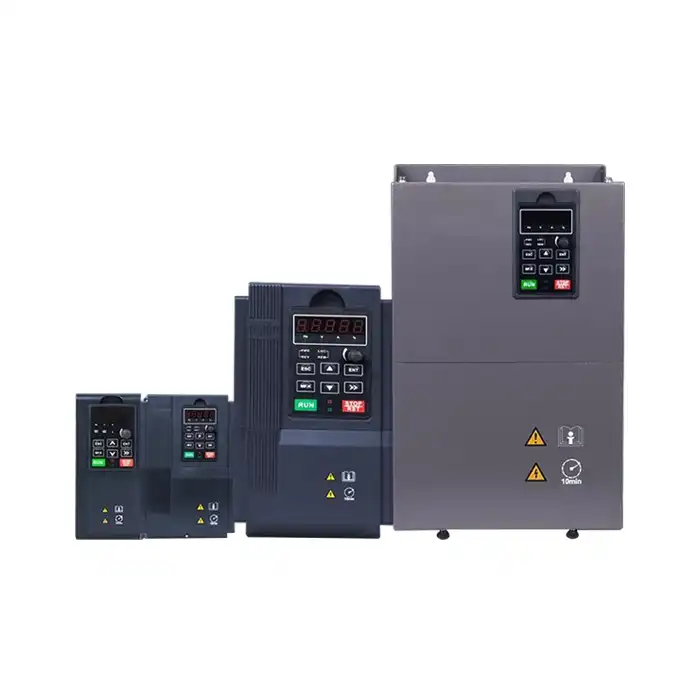
In particular, variable-torque uses like fans and pumps benefit from the combination of a high efficiency motor ie3 and a variable frequency drive (VFD). The VFD changes the motor speed to match the needs of the process. This gets rid of the loses that come with systems that stay at the same speed. Premium efficiency motors work well with VFDs because they can handle higher temperatures better and go over a wider speed range. Modern VFDs have power factor adjustment features that further optimise reactive power usage, which improves the performance of the entire electrical system.
How to Choose the Right IE3 Motor for Your Business
Critical Specification Parameters
Accurate load analysis is the first step in choosing the right motor. Figure out how much shaft power is needed by taking into account the efficiency of the driven equipment, mechanical gearbox losses, and service factor reserves. Our high efficiency motor ie3 ranges from 0.55 kW to 630 kW, so it can meet a wide range of power needs. Choosing the right voltage relies on the electrical infrastructure of the building. Different distribution systems work best with 380V, 415V, and 660V designs. The number of poles sets the uniform speed. At 50 Hz, 2-pole motors run at about 3,000 RPM, while 4-pole motors run at about 1,500 RPM.
Protection class ratings address environmental conditions. IP55 shelters can handle water jets and dust getting inside, making them good for use in industrial settings inside. IP65 standards offer better sealing for outdoor setups or places that will be washed down. The name of an insulation class F or H tells you about its thermal tolerance. Class H materials can handle higher wound temperatures before they break down.
Evaluating Manufacturer Credentials
Quality bearings have a huge effect on how long a motor lasts. Our high efficiency motor ie3 has SKF, NSK, or FAG bearings, which are chosen based on the load profiles and the factors in the surroundings. These precise parts stay in place even when horizontal and axial forces act on them, which reduces friction losses. Customers can choose which kinds of bearings they want to buy so that they can match their current repair schedules and spare parts stocks.
Procurement Considerations for B2B Buyers
Lead times change based on the size of the frame and how it needs to be customised. Standard voltage and power setups can be shipped within a few weeks, but custom specs may need more time to be made. When you buy in bulk, you can discuss prices and get guarantee terms that fit your needs. Having dedicated expert support is very helpful when choosing the right motor, fixing problems during installation, and planning for regular maintenance. When suppliers offer help on both Saturday and Sunday, it lowers the risk of downtime when problems come up out of the blue.
Maximizing Benefits Through Proper IE3 Motor Application
Industry-Specific Use Cases
Premium efficiency motors are used on production lines, in material handling systems, and in process tools in factories. The dependable power delivery and energy efficiency of a high efficiency motor ie3 are advantageous to conveyor systems in car companies. Facilities that prepare food like fully enclosed, self-fan cooling systems that keep workers clean and avoid contamination. Precision-balanced motors are used in CNC machines that make aerospace parts because they need to work without vibrations.
HVAC systems represent another important area of application is HVAC systems. Air handling units, cold water pumps, and cooling tower fans in commercial buildings all use high-efficiency motors. A high efficiency motor ie3 is especially useful in HVAC systems where demand changes during operating cycles because it improves part-load efficiency. Residential HVAC workers are increasingly choosing high efficiency motor ie3s for replacement installs because they save enough energy to support the higher price.
These motors are useful for many important tasks because they have these main benefits:
1. Process Control Reliability: In chemical processes and water treatment facilities, pumps, valves, and motors need to work without stopping. Due to its strong construction and smart heat management, a high efficiency motor ie3 keeps unexpected shutdowns to a minimum. Starting current rates of 6.5 to 7 times maximum current make it possible to speed up high-inertia loads reliably without letting the voltage drop too much.
2. Explosive Atmosphere Safety: Our YBX3 line has explosion-proof certifications (Ex d I Mb, Ex d IIB T4 Gb, and Ex d IIC T4 Gb), which are necessary for chemical plants, oil refineries, and mining activities. Fully sealed design keeps spark sources from coming into touch with flammable atmospheres and keeps heat dissipation at its best through cooling fins on the outside.
3. Renewable Energy Integration: High-efficiency motors are used in hydraulic pitch control systems, tracking devices, and other tools in wind farms and solar thermal facilities. The ability to work with a wide voltage range (380V, 660V, and 1140V) makes it suitable for a variety of green energy systems. When distributed production is used, grid connection costs are lessened by high power factor traits.
These benefits directly address operational problems that building managers face every day, cutting down on energy costs and making tools more reliable. When you combine tried-and-true technology with strict quality control, you get steady performance in even the toughest industrial settings.
Quantifying Return on Investment
The main financial gain of switching to a high efficiency motor ie3 is the money you save on energy costs. A 90 kW motor that runs for 8,000 hours a year uses about 720,000 kWh at 92% efficiency and 702,000 kWh at 95% efficiency, which is an 18,000 kWh savings. At $0.12 per kWh, you can save $2,160 a year. With average price increases of $1,500 to $2,000 over regular motors, payback times are still less than two years.
Cutting down on carbon emissions goes hand in hand with cash gains. The 18,000 kWh saved stops about 12 metric tonnes of CO2 from being released each year in places that use fossil fuels for power. When looking at motor specs, buying teams that care about sustainability are giving environmental factors more weight along with cost factors.
Installation and Maintenance Best Practices
When you place and line things correctly, you can avoid premature bearing failure and vibration problems. Foundation stiffness must hold the weight of the motor without giving way while it's running. Power gearbox is smooth if the shaft is lined up within the manufacturer's limits, which are usually 0.05 mm. To keep electrical connections from coming loose and making heat, pressure values for terminal block hardware must be met.
Schedules for preventive maintenance should include lubricating bearings on a regular basis, checking the strength of insulation, and keeping an eye on vibrations. Bearing regreasing times rely on how the motor is used. In clean settings, continuous-duty motors can run for 10,000 hours without service, but in harsh environments, they need to be checked more often. Insulation resistance tests with megger tools find problems with windings before they break. Vibration analysis finds mechanical problems like worn bearings or an imbalanced wheel before they get worse.
Conclusion
Premium efficiency motors that meet IE3 standards make real practical gains for industrial sites that put energy management and machine reliability first. Due to the proven energy savings, longer service life, and compliance with regulations, a high efficiency motor ie3 is more of an investment than a buy. These motors can be used for a wide range of tasks, from controlling speed precisely in automatic manufacturing to making sure that dangerous areas don't explode. They can adapt to different needs while still meeting high performance standards. Procurement pros can choose motors that meet both short-term operating needs and long-term sustainability goals by understanding the technical specs, comparing efficiency, and application-specific factors.
FAQ
1.What distinguishes IE2 from IE3 motors in practical terms?
Because they use better materials and better electric design, IE3 motors are 2 to 4 percentage points more efficient than IE2 motors of the same size. This means that in continuous-duty uses, 10–20% less energy is used. The high efficiency motor ie3's higher price is justified by its lower running costs, which usually make up for the difference in price within two years of normal industrial job cycles.
2.Can I replace existing motors with IE3 units directly?
Most setups can handle straight replacement as long as the frame dimensions and shaft configurations are the same. Make sure that the mounting hole shapes, shaft width, and wiring specs are all compatible with what is already in place. Due to better power factor, a high efficiency motor ie3 may start in a slightly different way, which could mean that the starter or safety switch needs to be adjusted. Checking motor nameplates and installation plans makes sure they are compatible before buying.
3.How much can facilities save by switching to IE3 technology?
Depends on the size of the motor, the job cycle, and the energy rates in your area. If a 75 kW motor is used for 6,000 hours a year, it could save between 8,000 and 12,000 kWh compared to an IE1 unit, which is $960 to $1,440 a year at $0.12/kWh. Larger motors and longer run times both save money in the same way. Besides lowering energy costs, less heat production also lowers cooling costs. Also, better dependability lowers repair costs and downtime.
Partner with XCMOTOR for Premium Efficiency Solutions
XCMOTOR, which stands for Shaanxi Qihe Xicheng Electromechanical Equipment Co., Ltd., offers industrial power options backed by professional know-how and helpful customer service. As a reliable high efficiency motor ie3 provider, we make motors that can handle tough jobs in the process, energy, industrial, and HVAC industries. Explosion-proof certifications and high efficiency ratings are both part of our YBX3 line. It is used in oil, chemical, mining, and power generation sites that need both safety and performance.
XCMOTOR keeps large stockpiles that allow for quick delivery of standard setups. Our engineering team can also handle special voltage and mounting needs. Before it is shipped, every motor goes through a strict quality review that includes checking the core assembly, balancing the rotor, and trying it at full load. We offer open purchase terms for 30 days and dedicated support seven days a week, so you can always get expert help when you need it for installation questions or operating problems.
Email our experts at xcmotors@163.com to talk about your unique needs for drive technology. Our team can help you match the right motor capabilities to the needs of your application, whether you're looking to install new motors or make current equipment more efficient. Check out our whole line of products at motorxc.com, where you can find full specifications and application notes that will help you make smart buying choices.
References
1. International Electrotechnical Commission. "IEC 60034-30-1: Rotating Electrical Machines – Part 30-1: Efficiency Classes of Line Operated AC Motors." Geneva: IEC, 2014.
2. De Almeida, Anibal T., et al. "Energy-Efficient Motor Systems in the Industrial and in the Services Sectors in the European Union: Characterisation, Potentials, Barriers and Policies." Energy 28, no. 7 (2003): 673-690.
3. Waide, Paul, and Conrad U. Brunner. "Energy-Efficiency Policy Opportunities for Electric Motor-Driven Systems." International Energy Agency Working Paper, OECD/IEA, 2011.
4. Ferreira, Fernando J.T.E., and Aníbal T. de Almeida. "Overview on Energy Saving Opportunities in Electric Motor Driven Systems." Proceedings of the 52nd IEEE Pulp and Paper Industry Conference, 2006.
5. Saidur, R. "A Review on Electrical Motors Energy Use and Energy Savings." Renewable and Sustainable Energy Reviews 14, no. 3 (2010): 877-898.
6. Burt, Christina M., et al. "Electric Motor Efficiency under Variable Frequencies and Loads." Journal of Irrigation and Drainage Engineering 134, no. 2 (2008): 129-136.