



Choosing an Inverter Duty AC Motor for Industrial Applications
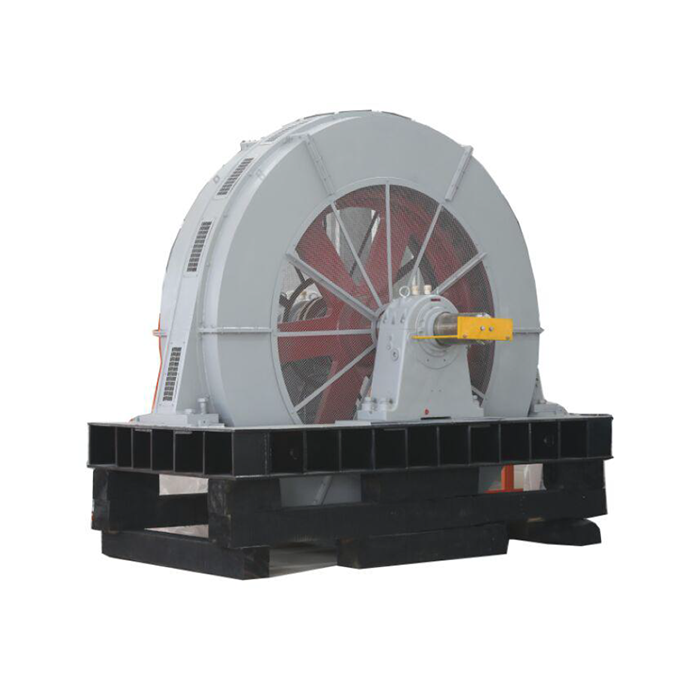
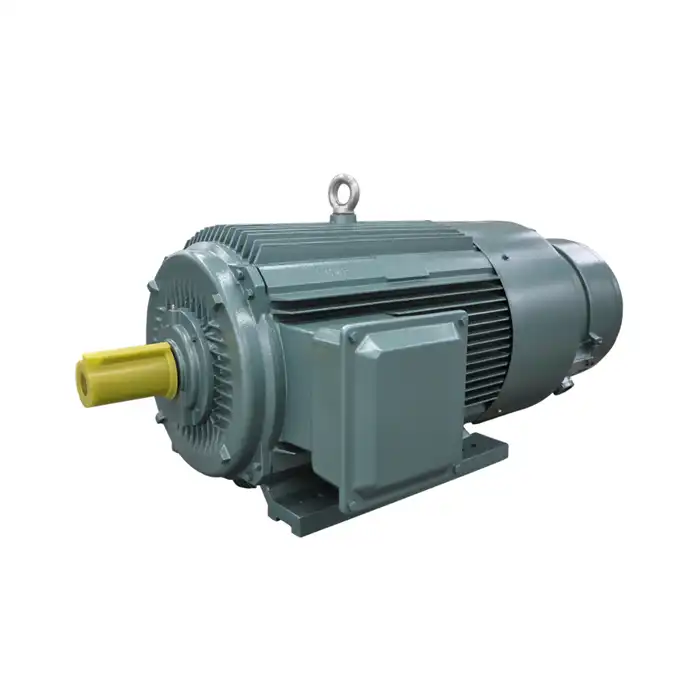
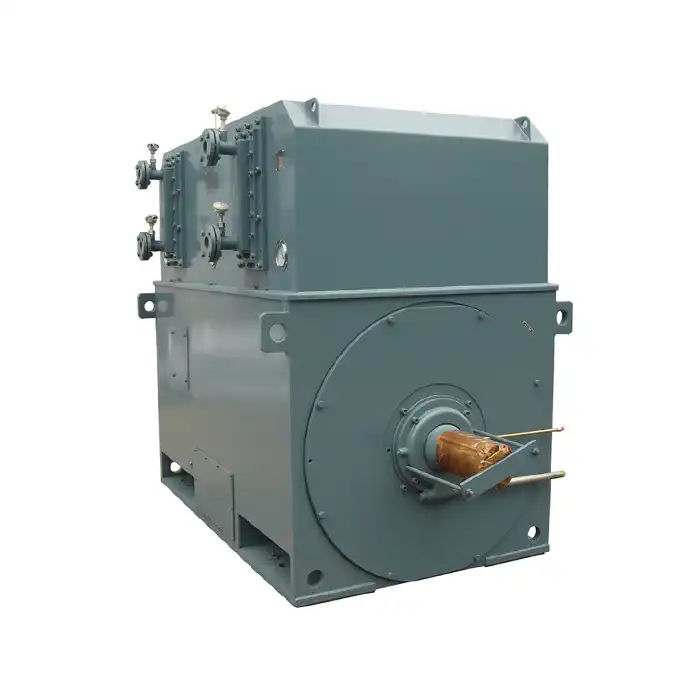
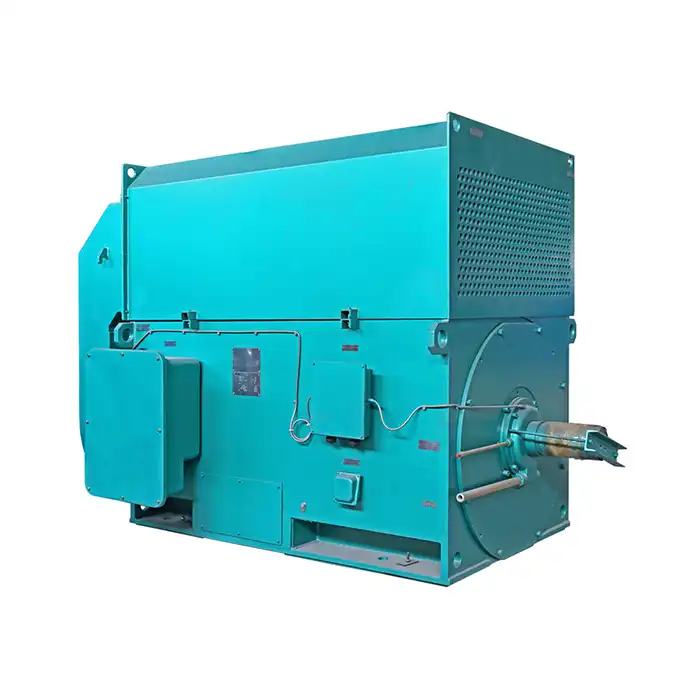
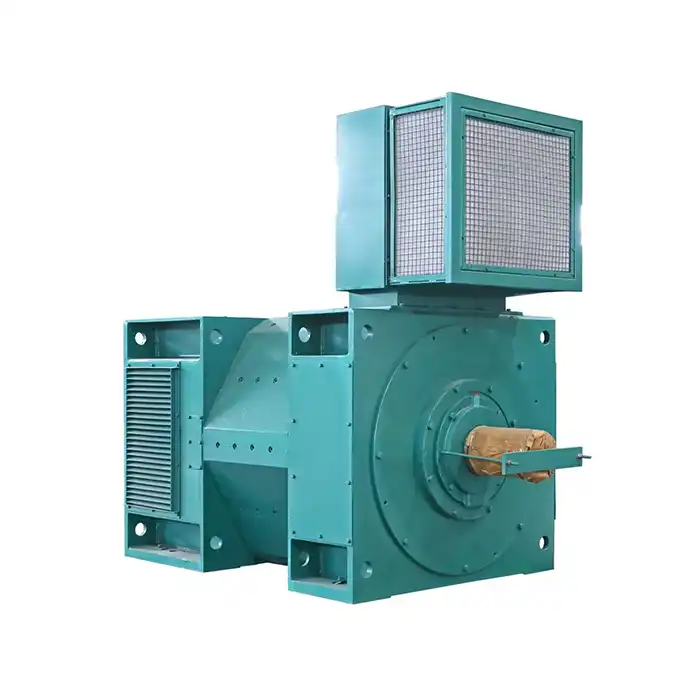
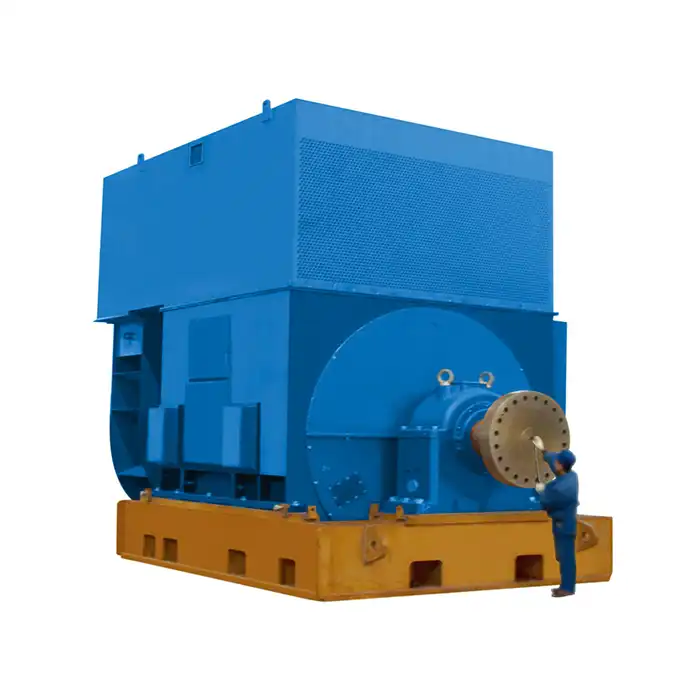
Selecting an inverter duty ac motor requires balancing technical specifications against operational demands. These specialized motors work alongside variable frequency drives to deliver precise speed control while maintaining torque stability across diverse load conditions. Unlike standard motors that deteriorate under fluctuating frequencies, inverter-rated units feature reinforced insulation systems, independent cooling mechanisms, and harmonic-resistant construction. Our YVFE3 series addresses the core challenges faced by equipment integrators and automation specialists requiring dependable performance in pump systems, fan assemblies, and continuous-duty machinery.
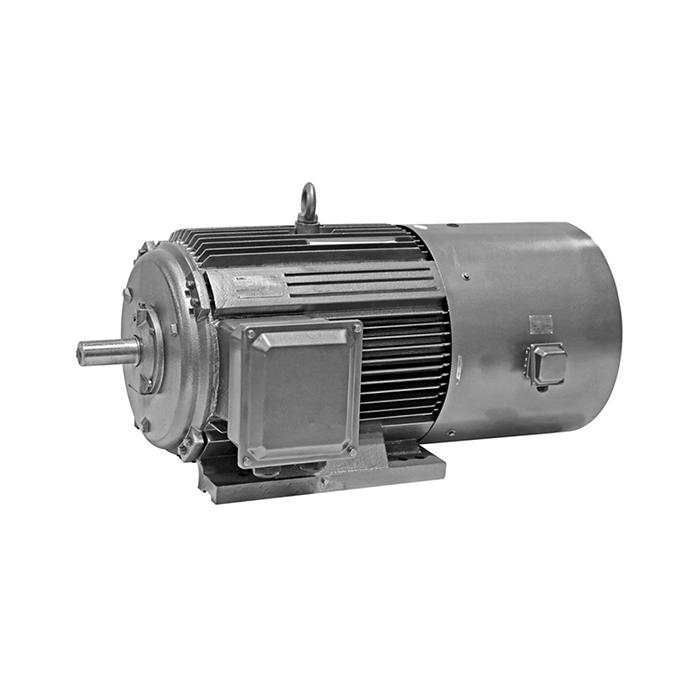
Series:YVFE3
Frequency conversion range:30hz~50hz,5hz~70hz,5hz~100hz
Power range:0.75-1000kW
Protection level:IP55
Application:are suitable for driving various mechanical equipment that require continuous and frequent forward and reverse rotation, such as steel rolling, lifting, transportation, machine tools, printing and dyeing, papermaking, chemicals, textiles, pharmaceuticals, etc., and can be used with various domestic and foreign variable frequency power supplies.
Advantage:high efficiency, wide speed range, high precision, stable operation, and easy operation and maintenance.
Certificate:installation dimensions comply with International Electrotechnical Commission (IEC) standards.
Others: SKF, NSK, FAG bearings can be replaced according to customer requirements.
Understanding Inverter Duty AC Motors
What Makes These Motors Different
Traditional motors with fixed speeds are not flexible enough for modern industrial processes. An inverter duty ac motor has changes made to its design that especially deal with the electrical stresses that come from VFD operation. When frequency converters quickly change voltage to change speed, voltage spikes that are up to three times the normal value happen in standard motor windings. This is called reflected wave voltage. Better insulation materials that can handle these short-term overvoltages keep the windings from breaking down too soon, which is a common problem in retrofit projects where regular motors are controlled by a VFD².
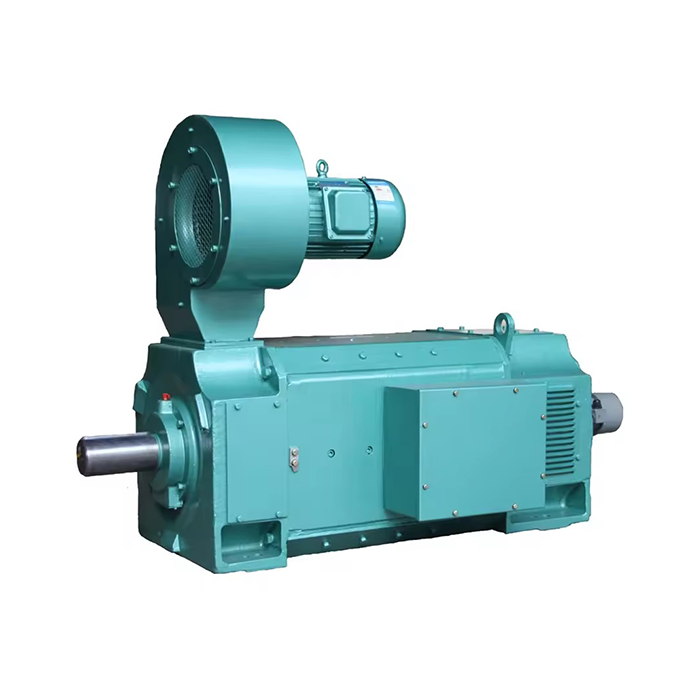
The way these motors handle heat is different from how regular motors do it. When operating at a low frequency, cooling fans on shafts become less efficient as the speed of spinning slows down. Our IC416 cooling setup uses an external fan that is driven by a separate motor, so airflow is maintained no matter how fast the motor is going. This design keeps temperatures from building up during long periods of low-speed operation, which is especially important for tasks that need constant torque at low frequencies.
Key Construction Features
When motors run at a wide range of speeds and often change direction, they load bearing systems in different ways. Premium bearings from SKF, NSK, or FAG—which can be customized based on your needs—can handle the axial and radial forces that come up during constant spinning in both directions. The YVFE3 line has three different frequency conversion ranges: 30Hz to 50Hz for modest adjustments, 5Hz to 70Hz for wider speed windows, and 5Hz to 100Hz for very wide regulation needs. This adaptability lets you do everything from precise positioning to moving things quickly without having to keep a stock of multiple motors.
Harmonic currents from VFD switching circuits can cause high temperatures, but Class F insulation can handle them. In these situations, standard Class B insulation systems break down very quickly, which can cause ground faults and major breakdowns. Class F materials offer an extra thermal margin that makes operational lifespans longer. This lowers total cost of ownership by reducing the number of replacement cycles.
Comparing Inverter Duty Motors to Other Motor Types
Standard AC Motors vs VFD-Optimized Designs
It is possible for standard three-phase induction motors to work with frequency changers, but there are some big problems that come with this. Manufacturers make standard motors to work at a single frequency and fixed voltage, which is the best way to get the best economy and power factor. When a variable frequency is applied, core losses rise because of non-sinusoidal current waveforms, and voltage stress concentrations speed up the aging of winding insulation. The operational envelope gets much smaller. If you keep running it below 30% of its rated speed, it could overheat, and if you go faster than the nameplate speed, you'll reach a constant power region where the available torque drops off as you go faster.
From zero to base speed, our YVFE3 series keeps the torque constant. It then easily changes to constant power operation across the wide frequency range. This feature is very important for tasks like controlling centrifugal pumps, where torque needs change with the cube of speed, and material handling systems that need full breakaway torque when the system stops. The power range of 0.75kW to 1000kW covers most industrial drive needs, so there are no more specification mismatches that cause installations to be too big or too weak.
Terminology Clarification
"VFD motor," "variable speed motor," and china ac motor with vfd wholesale are words that are often used to refer to the same thing, but there are some small differences between them. All of them talk about motors that are designed to work with frequency converters, but "inverter duty" focuses on the extra insulating and cooling that help with electrical stresses caused by VFDs. As "VFD compatible," some makers market standard motors with basic insulation improvements. This means that the motors can technically work with a VFD, but they don't have the thermal management needed for safe continuous-duty performance. When looking at a supplier's specs, make sure that the cooling method, insulation class, and speed range all fit with how you run your business. Don't just believe claims of general connectivity.
Different from induction motors, capacitor-start motors are made for single-phase power uses that need more starting force than simple induction designs can provide. Because they have internal capacitor networks that mess up the VFD output waveform, these motors can't be controlled by a VFD. By knowing these differences, you can avoid making costly mistakes in the specifications during the system design stages.
Selecting the Right Inverter Duty AC Motor for Your Application
Assessing Load Characteristics
Constant-torque loads, like conveyors, mixers, and positive-displacement machinery, have very different needs than centrifugal loads, like fans and pumps. The cubic relationship between speed and power is good for centrifugal uses because it lets them save a lot of energy by slowing down. When flow requirements drop to 70% of maximum, an inverter duty ac motor and a properly programmed VFD can cut pump energy use by up to 50%. This calculation is based on the laws of affinity that govern fluid dynamics3.
For constant-torque uses, the full maximum torque must be available at all speeds. In this group are steel rolling machines, lifting tools, and extruders. The YVFE3 series achieves this level of performance by using an improved rotor design and enough thermal capacity to allow for continued operation at any speed within the range given. When writing down your application requirements, you should include the load torque curve, job cycle pattern, extremes of ambient temperature, and any odd external factors like corrosive atmospheres or high levels of particulate pollution.
Environmental and Protection Considerations
The IP55 rating stops dust from getting in and protects against low-pressure water jets coming from any direction. It's good for most industrial settings. Some manufacturing sites that do a lot of washing down may need an IP66 grade, which we can meet with better sealing requirements. On the other hand, clean setups inside might be able to handle IP54 security, which could lower the cost. The level of protection has a direct effect on the design of the bearing seal, the construction of the terminal box, and the need for cooling air filtration.
The way a bearing is mounted affects how well it cools and how much oil is spread around it. The YVFE3 series can be fixed in standard IEC ways, including B3 (horizontal foot-mounted), B5 (flange-mounted), and B35 (combined foot and flange). However, make sure that the setup you choose works with the way your installation is set up. When orientations aren't standard, they may need special cooling or lubrication features.
Evaluating Efficiency and Certification Standards
If a motor is rated as IE3 efficient, it is much better than IE2 and IE1 motors because it has lower losses, which means lower operating costs. Over the course of ten years, energy costs usually add up to ten times or more the original cost of buying the motor. This makes choosing the right efficiency very important from a lifetime cost point of view. The extra money you spend on IE3-rated motors usually pays for itself in less than two years because they use less energy‹.
Physical interchangeability is guarantyd by IEC measurement compliance, which means that current motors can be replaced directly without having to change the way they are mounted, aligned, or connected. Standardization speeds up retrofit projects and makes managing spare parts easier. When you buy motors from more than one source, IEC compliance makes sure that all of your equipment has the same dimensions.
Installation, Wiring, and Maintenance Best Practices
Wiring Guidelines for VFD Systems
If you choose the right cables between the VFD and the motor, you can avoid problems with electromagnetic interference and voltage feedback. Common-mode noise that can mess up control systems next to shielded or protected wire with symmetrical conductor design is lessened. The size of the reflected wave voltage depends on how long the cable is. Installations longer than 50 meters can benefit from output reactors or dV/dt filters that slow the voltage rise time and protect motor insulation from repeated voltage peaks. Based on the details of your installation, our technical team gives you advice on the right cable specifications.
When it comes to VFD systems, grounding practices need extra attention. High-frequency switching currents try to find ways to return through any available ground link. This could lead to bearing currents that wear down bearing raceways through electrical discharge machining effects. For proper grounding, low-impedance connections should be used between the motor frame, the VFD chassis, and the facility ground. Grounding should also be kept continuous throughout the cable shield. This method gives high-frequency currents a controlled path that keeps them away from sensitive bearing surfaces.
Commissioning and Parameter Configuration
The choices for VFD parameters have a big effect on how well and how long a motor with inverter works. Acceleration and braking ramp times should match the load inertia. Rates that are too fast or too slow can damage the motor and cause annoying overcurrent trips, while sets that are too slow or too fast slow down work. To make sure that the torque control and safety functions work right, the VFD's motor nameplate parameter entry must correctly list the voltage, current, frequency, and speed ratings of the linked motor. Most of the time, operational problems we see when helping customers with their installs are caused by entering parameters incorrectly.
It is up to the carrier frequency selection to find the right balance between motor noise, VFD heat, and cable stress. Higher carrier frequencies make motors run more quietly, but they also make VFD switching losses and wire charging currents higher. Applications that need to be quiet may be able to handle 12–16kHz carrier frequencies, even though they make the device hotter. On the other hand, 4-6kHz settings are usually best for industrial settings because they maximize efficiency without making too much noise.
Preventive Maintenance Protocols
How often you need to grease a bearing depends on its working speed, load, and the temperature outside. Motors that run continuously at full speed need to be oiled every 3000 to 5000 hours. When they are run at a lower speed, these intervals get longer in a proportional way. Over-lubrication raises the temperature of the bearings, which leads to more spinning losses. On the other hand, not enough lubrication lets metals touch and quickly fail. We get lubrication quantity calculations from our bearing suppliers based on specific bearing sizes and operating conditions. We share this information with customers during technical consultations.
Monitoring vibrations finds mechanical problems before they become too big to fix. During commissioning, baseline vibration readings set the standard working signatures. Every three months, readings are taken to find changes that are likely to be signs of bearing wear, misalignment, or rotor imbalance. Thermal imaging surveys help vibration analysis by showing problems with the cooling system, hotspots in the windings, or connection resistance. When compared to run-to-failure methods, these predictive maintenance techniques greatly cut down on unexpected downtime‵.
Procurement Strategies and Supplier Selection for B2B Clients
Evaluating Supplier Capabilities
Shaanxi Qihe Xicheng Electromechanical Equipment Co., Ltd. works with more than 30 major motor manufacturers, which lets us find the best solutions for your customers no matter what brand they prefer. This network's adaptability is useful for projects that need to meet strict deadlines or get special approval paperwork. Unlike single-brand distributors who can only sell products from one manufacturer, our multi-source method gives us options when problems in the main sources' supply chains happen.
Suppliers who offer real value are different from those who are only there to facilitate transactions because they offer technical support. Throughout the lifetime of an item, our tech team helps with choosing the right motor, making sure it works with the VFD, and fixing problems with the application. This conversational method makes engineering easier while still making sure the system works at its best. Weekend support, which includes professional help on Saturday and Sunday, is available in case of pressing situations that come up during the installation phase or during production.
Warranty Terms and Service Agreements
Standard guarantee coverage usually protects against production flaws for 12 to 18 months, but the length of time varies by maker. Options for longer warranties might work for situations where the cost of downtime is worth the extra money. Carefully read through the warranty's exclusions—wrong installation, poor maintenance, or use beyond the product's nameplate limits can often void the warranty. Before you buy, you should know exactly what kinds of paperwork are needed for warranty claims. For example, some manufacturers want detailed operational records and failure analysis reports.
Our 30-day open purchase policy gives us a lot of flexibility when it comes to project-based procurement, so you can return items when project requirements change or customer needs change. This policy lowers the risk of inventory for equipment integrators who are working on projects whose topics are changing. When added to the free delivery service, these terms lower the total landing cost and the risk of losing money during the proposal phase.
Logistics and Delivery Considerations
Standard YVFE3 configurations have lead times of two to four weeks from the factory. Custom configurations that need non-standard voltages, special shaft configurations, or unique mounting arrangements take four to six weeks longer to deliver. When you place a bulk order, you can take advantage of priority production scheduling and volume pricing. When planning projects with multiple delivery phases, framework agreements set prices and delivery dates for phased releases. This gives budgets peace of mind and avoids the costs of keeping inventory for a long time.
Multiple companies and customs clearance methods need to work together to ship goods internationally. Our inventory management system, which is based on SAP, lets us see the status of orders, production milestones, and shipments in real time. Because of this, you can confidently plan activities that happen after the delivery, like booking the installation crew, coordinating the electricity contractor, and planning the production cutover.
Conclusion
To choose the right inverter duty ac motor for long-term reliability, you need to look at the load requirements, the environment, and the VFD compatibility. With its separate cooling architecture, better insulation systems, and wide frequency conversion ranges, the YVFE3 series solves the main problems that come up in variable-speed applications. Knowing the differences between motor types, matching equipment to load factors correctly, and installing it correctly are the building blocks for industrial systems that work well and reliably. Partnering with providers who offer professional know-how, flexible purchasing terms, and full support is the best way to make sure a project succeeds and keep costs low over its lifecycle.
FAQ
1.Can an inverter duty motor operate without a VFD?
Of course. When attached directly to power sources with a set frequency, these motors work properly. The better insulation and cooling don't hurt the machine when it's running across the line, but the extra money spent on them isn't worth it until VFD control is added. Some customers buy inverter-rated motors for fixed-speed uses at first, with plans to add VFD control as their businesses grow in the future.
2.How do I verify whether my existing motor is inverter duty rated?
Check the label of the motor for clear "inverter duty" or "VFD rated" writing. Class F or Class H insulation class designations suggest that something is suitable, but they don't prove that proper cooling provisions are in place. The detailed documents from the manufacturer is the only way to be sure. When documentation isn't available, sending us the nameplate information lets our team look into the model's capabilities and let you know if VFD operation is a good idea.
3.What are typical lead times for bulk orders of specialized configurations?
Standard YVFE3 specifications allow for shipping in two to four weeks, but custom configurations needing special bearings, voltages that aren't standard, or different mounting arrangements take four to six weeks longer to deliver. For orders over 50 units, dedicated production runs may be needed, which could extend lead times but allow for better pricing. By getting involved early on in the planning stages of a project, we can make sure that production runs smoothly, meeting your installation deadlines and keeping costs low.
Partner With XCMOTOR for Your Variable Speed Motor Requirements
Because they have been making power tools for 20 years, Shaanxi Qihe Xicheng Electromechanical tools Co., Ltd. can help you with inverter duty ac motor problems. For tough jobs, our YVFE3 line has the technical performance and dependability that equipment integrators, automation experts, and energy saving workers need. As a reliable inverter duty ac motor seller, we only buy parts from approved makers. This way, we can guarantee genuine quality while keeping prices low thanks to our large network of suppliers. Our team knows how hard it can be to match the parameters of different motors with different VFD brands, like ABB, Siemens, Schneider, or local options. They can help you with your specifications to make sure your system works with all of them. We get rid of the problems that slow down projects during procurement by offering free delivery, 30-day returns, and expert help on the weekends. You can email our engineering team at xcmotors@163.com or go to motorxc.com to talk about your specific application needs and get full technical advice that fits your work setting.
References
1. Bonnett, A.H. (2000). Analysis of the impact of pulse-width modulated inverter voltage waveforms on AC induction motors. IEEE Transactions on Industry Applications, 36(2), 396-405.
2. Finley, W.R. & Burke, R.R. (1994). Troubleshooting motor problems. IEEE Transactions on Industry Applications, 30(5), 1383-1397.
3. United States Department of Energy. (2014). Improving motor and drive system performance: A sourcebook for industry. Office of Energy Efficiency & Renewable Energy.
4. de Almeida, A.T., Ferreira, F.J., & Baoming, G. (2014). Beyond induction motors—Technology trends to move up efficiency. IEEE Transactions on Industry Applications, 50(3), 2103-2114.
5. Thorsen, O.V. & Dalva, M. (1995). A survey of faults on induction motors in offshore oil industry, petrochemical industry, gas terminals, and oil refineries. IEEE Transactions on Industry Applications, 31(5), 1186-1196.
6. IEEE Std 112-2017, IEEE Standard Test Procedure for Polyphase Induction Motors and Generators. IEEE, 2017.