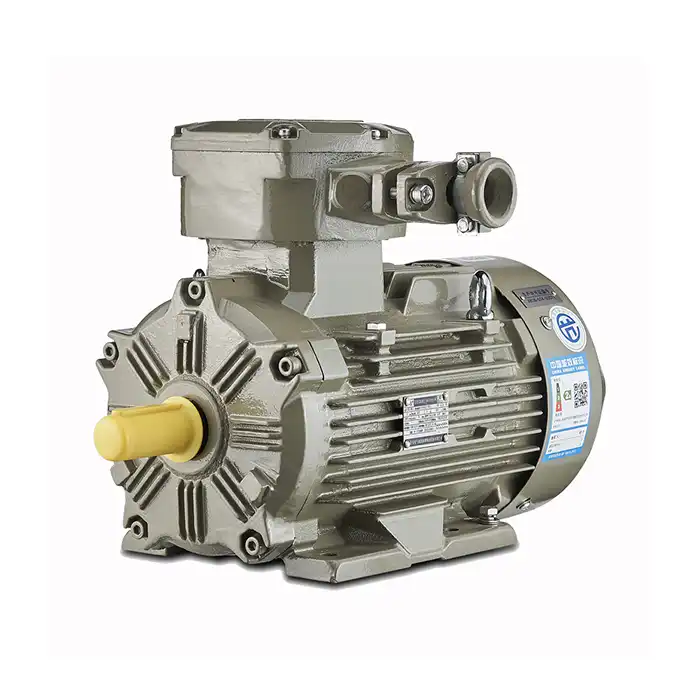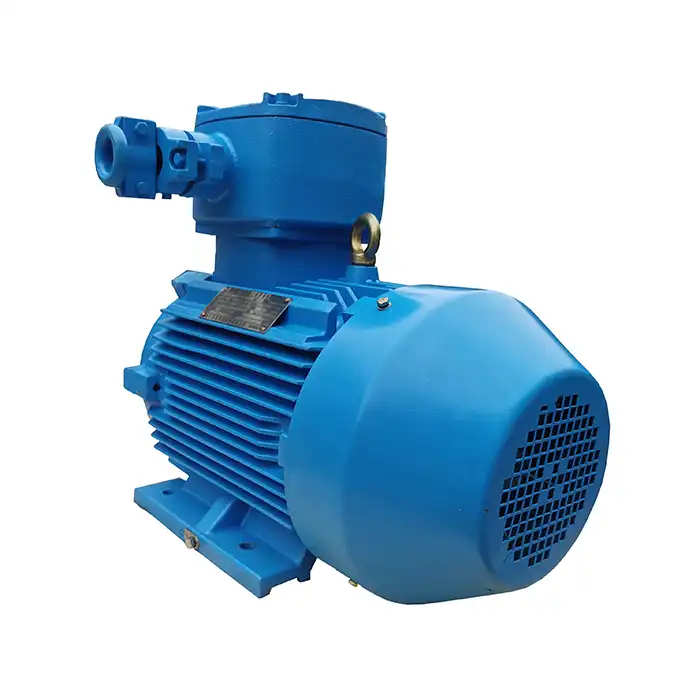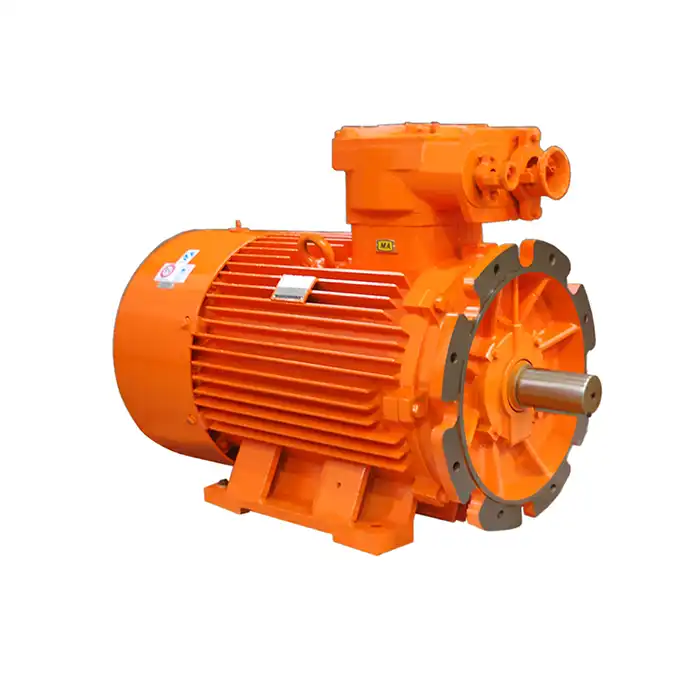




Selecting the right inverter duty induction motor for your OEM applications can significantly impact your equipment's performance, reliability, and operational costs. These specialized motors are engineered to handle the demanding conditions of variable frequency drive systems, delivering consistent power across varying speeds while maintaining efficiency. As an OEM, understanding the key differences between standard motors and VFD-compatible units becomes essential for making informed purchasing decisions. The right motor choice affects everything from energy consumption to maintenance schedules, ultimately influencing your bottom line and customer satisfaction.

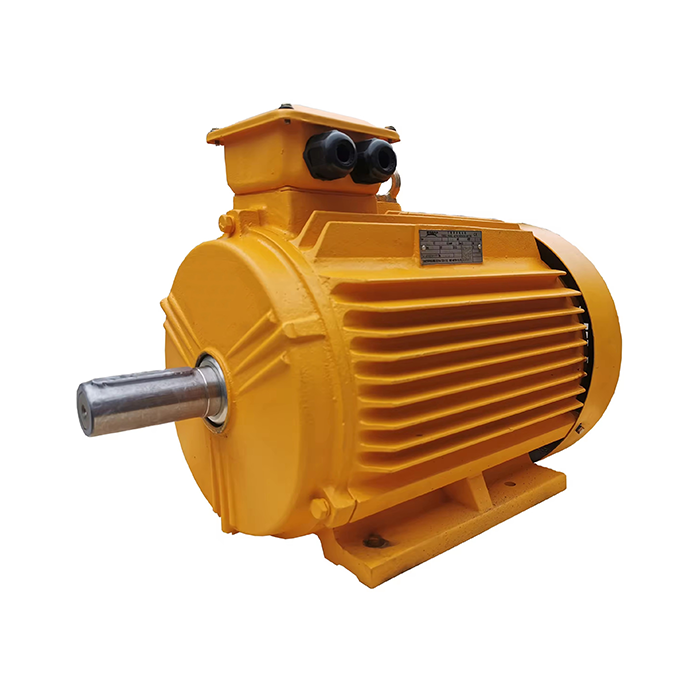
Series:YVFE3
Frequency conversion range:30hz~50hz,5hz~70hz,5hz~100hz
Power range:0.75-1000kW
Protection level:IP55
Application:are suitable for driving various mechanical equipment that require continuous and frequent forward and reverse rotation, such as steel rolling, lifting, transportation, machine tools, printing and dyeing, papermaking, chemicals, textiles, pharmaceuticals, etc., and can be used with various domestic and foreign variable frequency power supplies.
Advantage:high efficiency, wide speed range, high precision, stable operation, and easy operation and maintenance.
Certificate:installation dimensions comply with International Electrotechnical Commission (IEC) standards.
Others: SKF, NSK, FAG bearings can be replaced according to customer requirements.
Why Focus on Inverter Duty Motors
Modern mechanical computerization requires engines that can consistently adjust to changing operational requirements. Conventional engines regularly battle with the voltage spikes, constant twisting, and warm stretch created by converters. Inverter obligation engines address these challenges through upgraded cover frameworks, advanced cooling plans, and strong bearing security mechanisms.
The expanding appropriation of advanced manufacturing and energy efficiency directions around the world has quickened the demand for VFD congruous engines. These units offer exact speed control, decreased energy consumption, and expanded gear life compared to constant-speed choices. OEMs consolidating these engines into their plans can give clients more adaptable, productive arrangements that meet today's rigid execution standards.
Selection Criteria for Premium Performance
Choosing optimal inverter duty induction motors requires evaluating several critical factors. Performance characteristics remain paramount, including efficiency ratings, torque delivery across the operational speed range, and thermal management capabilities. The motor's ability to handle voltage spikes and electromagnetic interference directly impacts long-term reliability.
Cost contemplations amplify past beginning buy cost. Vitality productivity evaluations influence operational costs over the motor's lifetime. Support necessities, accessibility of substitute parts, and specialized bolster quality impact add up to proprietorship costs. Compliance with worldwide benchmarks guarantees worldwide advertise compatibility.
Application-specific prerequisites shape choice choices. Obligation cycles, natural conditions, mounting arrangements, and integration necessities shift essentially over businesses. Stack variety designs and energetic braking capabilities ended up fundamental components for applications including visit start-stop cycles or exact situating requirements.
Premium Variable Frequency Drive Motors
High-performance VFD engines exceed expectations in applications requiring uncommon, unwavering quality and productivity. These units highlight Lesson F cover frameworks evaluated for 155°C operation, giving significant warm edges for amplified benefit life. Progressed winding strategies minimize voltage push while optimizing electromagnetic execution over wide frequency ranges.
Enhanced bearing assurance frameworks incorporate shaft establishing instruments and ceramic ball orientation to kill damaging shaft voltage impacts. Precision-balanced rotors diminish vibration levels, expanding bearing life and minimizing commotion era. Optimized cooling frameworks keep up reliable performance indeed amid low-speed operation where routine fans ended up less effective.
Power ranges regularly span from 0.75 kW to 355 kW, obliging differing mechanical necessities. Different voltage setups back worldwide applications, whereas IP55 security levels guarantee dependable operation in challenging situations. These engines illustrate prevalent torque characteristics, conveying steady torque from 5-60Hz and steady control operation over 60Hz.
Compact High-Efficiency Solutions
Space-constrained applications advantage from compact inverter obligation engines that keep up execution while reducing installation costs. These units consolidate imaginative cooling plans and optimized attractive circuits to accomplish tall control thickness without compromising unwavering quality or efficiency.
Advanced materials and fabricating methods empower smaller outline sizes while keeping strong development. Exactness die-casting makes uniform center structures that minimize misfortunes and decrease working temperatures. Vacuum weight impregnation guarantees prevalent separator keenness, basic for long-term unwavering quality in VFD applications.
Energy productivity evaluations frequently surpass IE3 premium levels, lessening operational costs and supporting maintainability activities. Low-noise plans make these engines appropriate for commercial applications where acoustic contemplations matter. Fast establishment highlights and standardized mounting measurements disentangle integration into existing hardware designs.
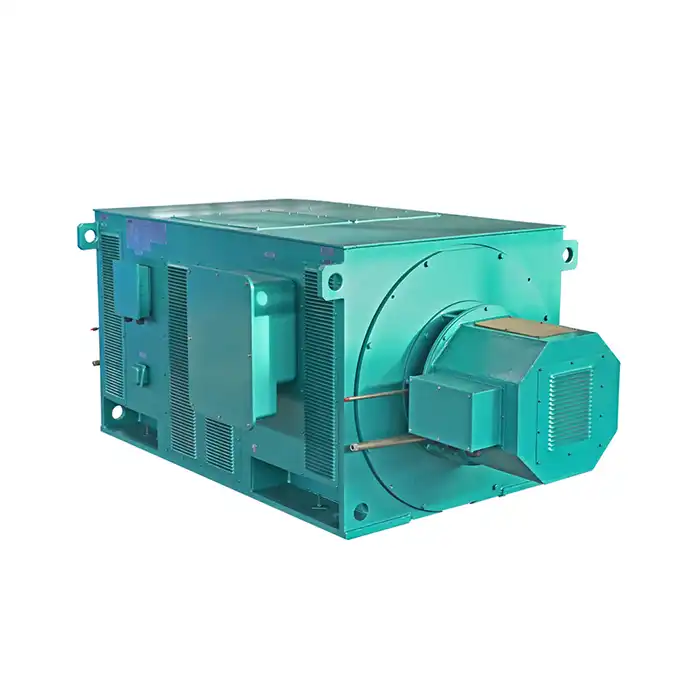
Heavy-Duty Industrial Motors
Severe-duty applications demand motors built to withstand extreme operating conditions. These robust units inverter duty induction motor feature reinforced construction, enhanced protection levels, and specialized cooling systems designed for continuous operation under challenging circumstances.
Oversized bearings and reinforced mounting structures handle high radial and axial loads common in heavy industrial applications. Special coatings and corrosion-resistant materials protect against chemical exposure and harsh environmental conditions. Extended lubrication intervals reduce maintenance requirements in difficult-to-access installations.
Thermal management systems incorporate multiple cooling strategies to maintain optimal operating temperatures across varying load conditions. Advanced monitoring capabilities enable predictive maintenance strategies, reducing unexpected downtime. These motors excel in steel rolling, mining, and petrochemical applications where reliability remains paramount.
Global Market Analysis and Regulations
International energy efficiency regulations continue driving adoption of premium-efficiency motors worldwide. The European Union's IE4 super premium efficiency standards influence global manufacturing practices, while emerging markets increasingly adopt similar requirements. Understanding regional certification requirements becomes essential for OEMs serving global markets.
Supply chain considerations affect availability and pricing across different regions. Local service networks and technical support capabilities vary significantly, influencing total ownership costs. Currency fluctuations and trade regulations impact procurement strategies for internationally sourced components.
Cultural preferences and established practices influence motor selection in different markets. Some regions prioritize initial cost savings, while others emphasize lifecycle value and reliability. Understanding these preferences helps OEMs make appropriate recommendations for their target markets.
Purchasing Recommendations and Key Considerations
Successful motor procurement requires balancing performance requirements with budget constraints while considering long-term operational factors. Establishing clear specifications early in the design process prevents costly modifications later. Engaging with qualified suppliers who understand your application requirements ensures optimal motor selection.
Evaluate supplier capabilities beyond just product specifications. Technical support quality, delivery reliability, and service network coverage significantly impact project success. Request detailed performance data and application references to verify claimed capabilities.
Consider future expansion and modification requirements when sizing motors. Slight oversizing often provides valuable operational flexibility without significant cost penalties. Standardizing on fewer motor types simplifies maintenance and reduces spare parts inventory requirements.
Industry Trends and Summary
The inverter obligation engine showcases proceeds advancing toward higher productivity, a more forward network, and improved symptomatic capabilities. Integration with mechanical IoT frameworks empowers progressed monitoring and predictive maintenance methodologies. Changeless magnet innovations offer effectiveness enhancements, whereas uncommon soil fabric accessibility influences estimating and accessibility. Producers progressively center on sustainable materials and manufacturing forms to meet environmental regulations.
Conclusion
Selecting the best inverter duty induction motor for your OEM applications requires careful consideration of performance requirements, operational conditions, and long-term value factors. The investment in quality motors pays dividends through improved efficiency, reduced maintenance costs, and enhanced equipment reliability. Understanding the differences between motor types and matching capabilities to application demands ensures optimal results. Working with experienced suppliers who provide comprehensive technical support and reliable delivery helps ensure project success while building lasting partnerships for future growth.
Frequently Asked Questions
Q1: What makes an inverter duty motor different from a standard motor?
A: Inverter obligation engines highlight improved separator frameworks, progressed bearing assurance, and optimized cooling plans particularly built to handle the voltage spikes, sounds, and warm stretch created by variable frequency drives. Standard engines may involvement untimely disappointment when worked with VFDs due to these harsh electrical conditions.
Q2: How do I determine the correct power rating for my application?
A: Calculate the required torque at diverse working speeds, considering stack varieties and obligation cycles. Calculate productivity misfortunes and give satisfactory security edges for crest loads. Counseling with engine producers makes a difference guarantee appropriate measuring for your particular application requirements.
Q3: What protection level should I specify for different environments?
A: IP55 protection suits most indoor industrial applications, while outdoor or washdown environments may require IP65 or higher ratings. Consider temperature extremes, chemical exposure, and accessibility for maintenance when selecting appropriate protection levels.
Partner with XCMOTOR for Your Inverter Duty Motor Needs
XCMOTOR delivers reliable inverter duty induction motor solutions that meet the demanding requirements of modern OEM applications. Our comprehensive product range spans power ratings from 0.75 kW to 1000 kW, featuring advanced insulation systems, precision bearings, and optimized cooling designs that ensure consistent performance across diverse operating conditions.
As a trusted inverter duty induction motor manufacturer, we understand the critical importance of quality, reliability, and technical support in your procurement decisions. Our engineering team provides application-specific guidance to help you select optimal motor configurations for your equipment designs. We maintain extensive inventory levels to support fast delivery requirements while offering competitive pricing for volume applications.
Our commitment to quality extends beyond product manufacturing to comprehensive customer support. We provide detailed technical documentation, application assistance, and ongoing service support to ensure your success. Ready to enhance your equipment performance with premium motor solutions? Contact us at xcmotors@163.com to discuss your specific requirements and receive expert recommendations tailored to your applications.
References
1. Thompson, Robert J. "Industrial Motor Selection and Application Guidelines." Electrical Engineering Journal, Vol. 45, No. 3, 2023, pp. 78-95.
2. Anderson, Maria K. "Variable Frequency Drive Systems: Motor Integration and Performance Optimization." IEEE Industrial Applications Society Annual Conference Proceedings, 2023.
3. Chen, David L., and Sarah Mitchell. "Energy Efficiency Standards for Industrial Motors: Global Trends and Implementation Strategies." International Electrotechnical Commission Technical Report, 2023.
4. Johnson, Peter R. "Bearing Protection in VFD Applications: Technologies and Best Practices." Motor and Drive Systems Magazine, Vol. 28, No. 7, 2023, pp. 45-52.
5. Williams, Jennifer A. "Thermal Management in High-Performance Industrial Motors." Mechanical Engineering Review, Vol. 67, No. 12, 2023, pp. 123-138.
6. Kumar, Rajesh, et al. "Harmonic Analysis and Mitigation in Variable Frequency Drive Systems." Power Electronics and Drives International Conference, 2023, pp. 245-260.