



What Is a Vertical Water Pump Motor & Why It Matters?
A vertical water pump motor is a special kind of electric motor that is made to run pumps upright, making them more space-efficient and better at their job in industrial settings. These motors work great in tight areas, for pumping deep wells, and in situations where they need to run all the time. The vertical layout has many benefits over horizontal designs, such as a smaller footprint, higher reliability, and easier entry for upkeep. Professionals in procurement need to understand vertical water pump motor technology in order to find cost-effective solutions that improve operating efficiency while reducing the difficulty of installation and the need for long-term upkeep.
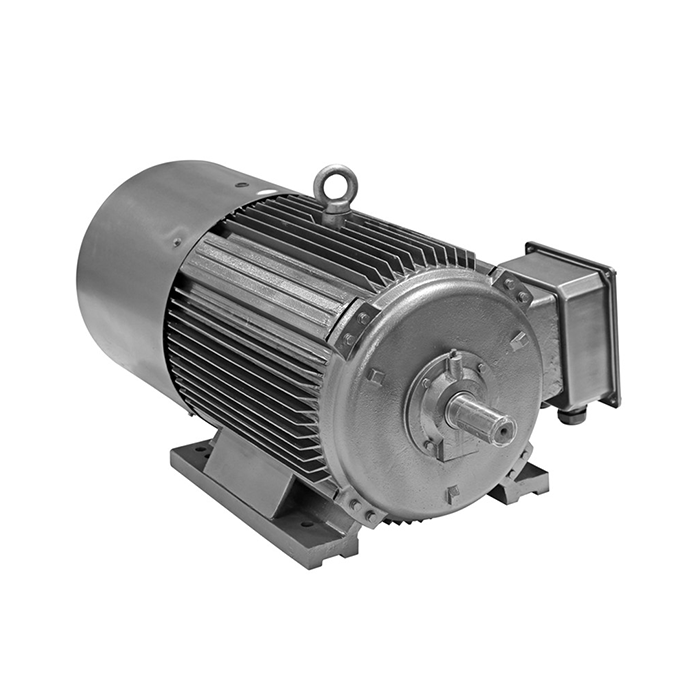
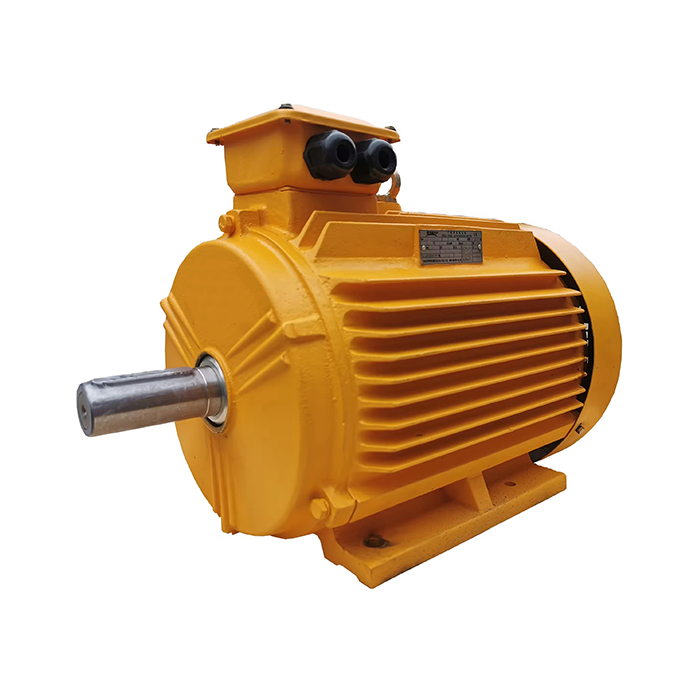
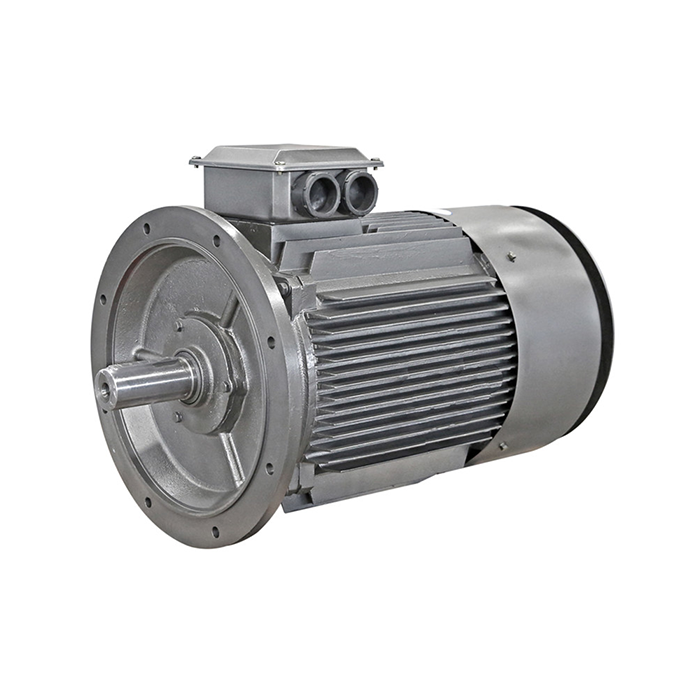
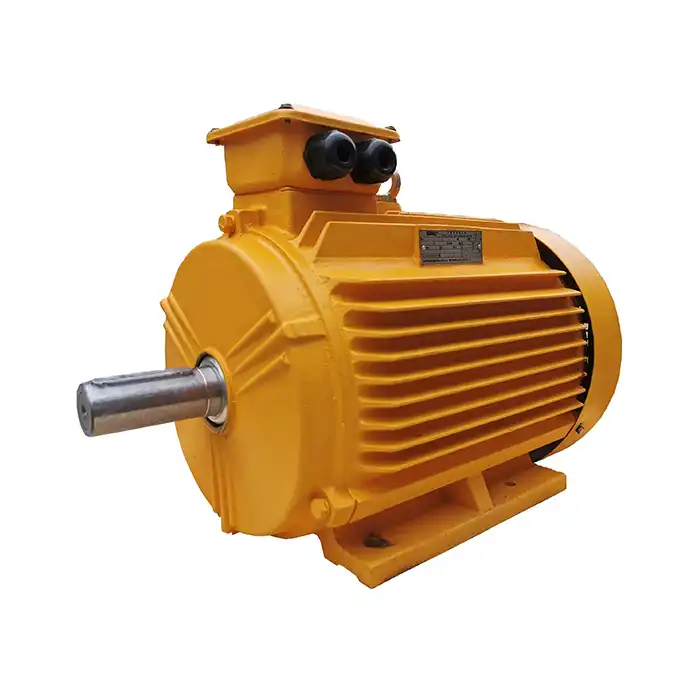
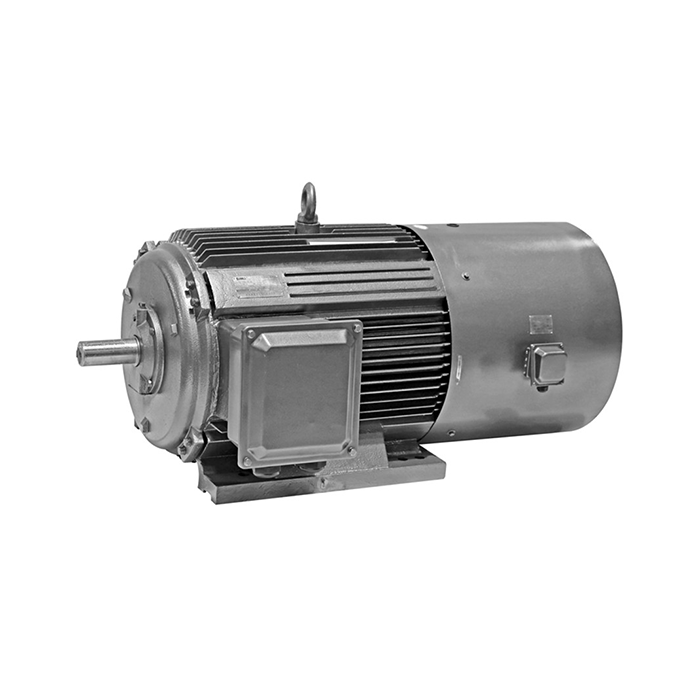
Series:YVFE2
Frequency conversion range:30hz~50hz,5hz~70hz,5hz~100hz
Power range:0.75-355kW
Protection level:IP55
Application:are suitable for driving various mechanical equipment that require continuous and frequent forward and reverse rotation, such as steel rolling, lifting, transportation, machine tools, printing and dyeing, papermaking, chemicals, textiles, pharmaceuticals, etc., and can be used with various domestic and foreign variable frequency power supplies.
Advantage:high efficiency, wide speed range, high precision, stable operation, and easy operation and maintenance.
Certificate:installation dimensions comply with International Electrotechnical Commission (IEC) standards.
Others: SKF, NSK, FAG bearings can be replaced according to customer requirements.
Understanding Vertical Water Pump Motors: Basics and Core Features
The use of vertical water pump motors is an advanced way to move fluids in industrial settings. The motor is mounted directly above the pump assembly in these specialized units. This makes for a small, vertical design that improves both performance and room usage.
Working Principles and Design Architecture
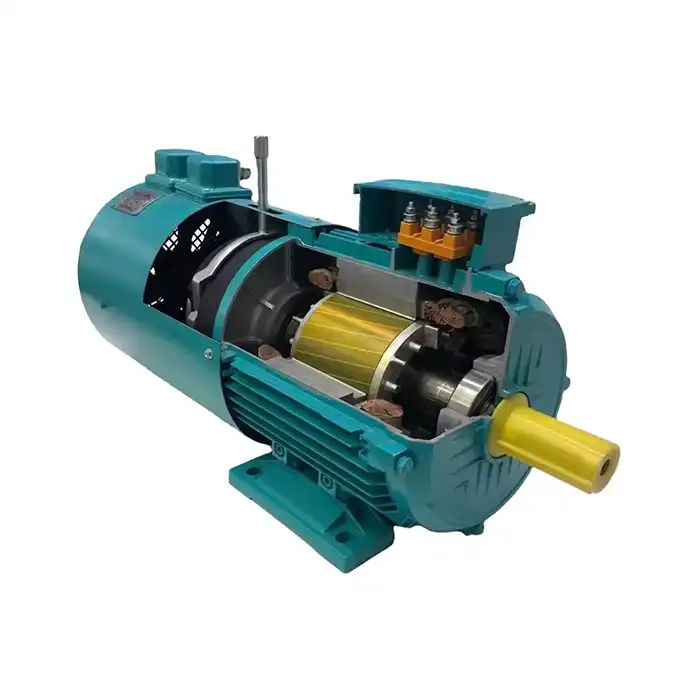
The basic way a vertical water pump motor works is that the motor's rotating energy is sent down a vertical shaft to turn the pump rotor. With this design, you don't need the complicated connection systems that are needed for horizontal layouts. The frame of the motor box is usually made of strong cast iron, which makes it very durable even in harsh working conditions. The stator assembly with high-grade copper windings, precision-balanced blades for smooth operation, and improved bearing systems made to last longer are some of the most important parts. These motors have thermal safety features that keep them from overheating while they're running continuously. This makes sure that they work reliably in a wide range of commercial settings.
Vertical vs. Horizontal Motor Configurations
When it comes to operation, vertical water pump motors are clearly better than horizontal ones. The upright position makes it easier for the motor to handle axial thrust loads, which lowers stress on the bearing systems and increases their useful life. This shape also lets heat escape better through natural convection, which helps the efficiency scores. Using space effectively is another important benefit. When you place a pump vertically, it takes up less space overall. This makes these motors perfect for crowded factories or underground installs where there isn't much room for horizontal mounting.
Motor Classifications and Specifications
Modern vertical water pump motors have power ranges from 0.55kW to 315kW, so they can meet a wide range of industry needs. The frequency converter can change frequencies between 5Hz and 100Hz, which gives it a lot of freedom for uses that need to change speeds. Standard voltage setups include 380V, 400V, 415V, and 660V, but they can be changed to meet the needs of different regions. Protection class grades usually meet IP55 standards, which means they will work reliably even in harsh environments. Insulation class F (155°C) protects against heat for continuous duty uses, and the different pole configurations (2, 4, 6, 8) make it possible to fit the speed exactly to the pumping needs.
Advantages and Applications of Vertical Water Pump Motors
When used in industrial settings, vertical water pump motors offer significant operating benefits that directly lead to higher output and lower total cost of ownership. These benefits make them especially useful for companies that value dependability and speed.
Space-Saving Design and Installation Benefits
When compared to horizontal pump systems, the small vertical design makes the installation size much smaller. This clever use of space is especially useful in factories, where floor room is very valuable. The vertical form also makes it easier to arrange the pipes, which lowers the cost of materials and makes assembly easier. The motor's self-contained design makes installation easier and lessens the alignment problems that often happen with horizontal connection systems. The vertical shaft setup naturally handles pump thrust loads, so you don't need any extra thrust bearings. This makes upkeep easier.
Energy Efficiency and Performance Characteristics
These motors use very little energy because they have improved winding designs and magnetic systems that work better. The upright arrangement helps cool things down better through natural airflow, so they can keep working at full capacity for a long time without losing power. This temperature edge means that the motor will always work well and last longer. With a speed range of 5Hz to 100Hz, this pump can precisely control flow, letting workers fit the output to the exact needs of the system. Comparing this changeable speed operation to fixed-speed options with slowing control, it uses a lot less energy.
Broad Industrial Application Spectrum
Vertical water pump motors work well in many different types of industries. These motors are used in farm irrigation systems to supply water to crops reliably. They can handle changes in seasonal demand with variable frequency control. Vertical pumps are used in municipal water treatment plants to efficiently move clean water and garbage. The motors' constant duty levels and thermal safety features make them useful for cooling systems in factories. These motors are used in process industries like chemicals, pharmaceuticals, and food preparation to move fluids, and their dependability has a direct effect on production plans. Commercial buildings with HVAC systems use vertical water pump motors to move cold water around. These motors are small and quiet, which makes them ideal for this purpose. When used for dewatering, these motors are used in mining and building, where their strong construction can handle harsh circumstances.
Comparing Vertical Water Pump Motors with Other Motor Types
Knowing the pros and cons of vertical water pump motors helps people who buy things make smart choices based on the needs of the application and the goals of the business.
Structural and Performance Differences
Vertical water pump motors have built-in thrust bearing systems that handle the horizontal loads that come with running a pump. Horizontal motors, on the other hand, need different thrust bearings or connection systems to handle these forces. The straight arrangement makes the shaft more stable and lowers the amount of sound it makes while it's working. Even though they are also upright, submersible motors work completely underwater and need special closing systems. Vertical turbine motors keep the motor above water, which makes it easier to do repairs and saves room in the same way.
Installation and Maintenance Considerations
Different types of motors have very different installation needs. Most of the time, base designs for vertical water pump motors need to take into account how the motor's weight is distributed and how to support the vertical shaft assembly. In horizontal setups, on the other hand, the motor and pump connection systems need to be perfectly lined up. Vertical versions are better for maintenance access because the motor stays above ground level and can be easily reached for regular maintenance. Service tasks like lubricating the bearings, checking the temperature, and making electrical connections can be done without stopping the pump installation. This ease of entry lowers the cost of upkeep and keeps operations running as smoothly as possible.
Decision Factors for Motor Selection
The first thing that determines which motor to buy is how much power it needs to produce. Vertical versions come in power ranges from 0.75kW to 355kW. Some things to think about when operating an aircraft are the temperature ranges, the maximum altitude, and the safety class standards. Standard vertical motors work well at temperatures ranging from -40°C to +40°C and at heights of up to 1000 meters above sea level. A cost-effectiveness study must look at the motor's initial buy price, installation costs, energy use, and upkeep needs over its useful life. Vertical water pump motors often have a lower total cost of ownership because they use less energy and don't need as much upkeep.
Maintenance, Troubleshooting, and Specifications
Vertical water pump motors work best and have a longer lifespan with the right repair procedures in place. Knowing what needs to be done for regular maintenance and how to fix problems helps keep things running smoothly and stops expensive unplanned breaks.
Scheduled Maintenance and Inspection Protocols
The first step in routine maintenance is to look over the motor case, electrical connections, and gear lubrication systems on a regular basis. Vibration tracking, temperature measurement, and electrical current analysis should all be part of monthly checks so that problems can be found before they affect operation. When bearings are used vertically, they need extra care during upkeep. Sealed bearings that are made to last a long time require less oil, but they still need to be checked on a regular basis to make sure they are working right. Premium bearings from SKF, NSK, and FAG are more reliable and can be customized to meet the needs of the customer. Watching the protection around the windings helps keep the electricity from going out. Testing for insulation resistance should be done once a year or as recommended by the maker. To make sure that motors are properly protected when they are overloaded, thermal safety systems need to be calibrated and checked.
Common Operational Issues and Solutions
The most common problem with vertical water pump motors is that they get too hot. Some causes are not enough air flow, too much weight, or problems with the bearings. As a solution, make sure there is enough wind around the motor case, check the electrical load conditions, and look at how the bearings work. Usually, vibration problems are caused by an unbalanced gear, worn bearings, or issues with the base. Systematic vibration research helps find the reason of the problem. Precision-balanced blades reduce vibrations while they're working, but they may need to be rebalanced every so often after a while of use. Electrical problems, like phase instability or voltage changes, can hurt the performance and economy of a motor. Monitoring the electrical system on a regular basis helps find problems with the power system before they hurt the motor windings. The choice of starting method (DOL, Star-Delta, or Soft Start) should be based on the needs of the program and the powers of the electrical system.
Technical Specification Interpretation
Power ratings show how much steady duty the motor can handle under normal working conditions. The label "duty type S1" means that it can be used continuously without any temperature limits. Voltage standards must match the available power source, and they can be changed to meet the needs of different regions. Protection class IP55 provides enough defense against dust and water spray, making it ideal for most industrial settings. For specific uses that need better environmental security, higher levels of protection are offered. Mounting options (B3, B5, B35, and V1) spell out the needs for the mechanical link. The International Electrotechnical Commission (IEC) has set these standard mounting measurements, which make sure that pumps from different makers can work together.
Procurement Guide and Leading Brands of Vertical Water Pump Motors
To buy vertical water pump motors successfully, you need to know how the market works, what the seller can do, and how much the whole process will cost, not just the initial purchase price.
Sourcing Strategy and Supplier Selection
For buying to work well, the standards must be very clear. These should include things like power needs, working conditions, and expected performance. In the technical specs, you should list the frequency conversion ranges, protection levels, and licensing needs that are unique to your application. When evaluating a supplier, you should look at their manufacturing quality processes, expert help, and availability of service after the sale. ISO 9001:2015 approval shows that quality management systems are well-established, and CE marking makes sure that foreign operations follow the rules set by the European Union. Lead times are very different depending on the motor specs and the level of customization needed. Standard setups usually ship between 2 and 4 weeks, while personalized units may take 6 to 8 weeks. Project delays can be avoided by planning purchase plans around these lead times.
Cost Factors and Value Analysis
The way prices change depends on the motor's specs, the level of customization needed, and the number of orders. The cost is greatly affected by the power level, with bigger motors costing more. Pricing arrangements are also changed by the ability to use variable frequencies and higher levels of safety. A full cost study must take into account the prices of installation, the amount of energy used, and the upkeep that the motor will need over its lifetime. Designs that use less energy usually pay for themselves over time by saving money on maintenance costs and being more reliable. Different sellers offer different warranty terms, but most cover items for 12 to 24 months. There may be choices for longer warranties for important uses that need extra protection against failures that come up out of the blue.
Quality Assurance and Testing Standards
Comprehensive testing procedures make sure that the performance of the motor meets the standards. Electrical performance proof, vibration analysis, and thermal protection measurements are some of the things that are usually tested in the factory. For quality assurance records, the paperwork should have test results and performance data. Following foreign standards makes sure that everything works together and is safe. IEC standards for dimensions make it easier to integrate pumps, and electrical standards make sure that they can safely work within certain voltage and frequency ranges.
Conclusion
When working in small spaces, vertical water pump motors are important for industrial uses that need to move fluids reliably. Because of their unique design benefits, such as small footprints, low energy use, and easy repair access, they are useful in many businesses. Knowing how they work, what care they need, and what to think about when buying them lets you make smart decisions that improve both efficiency and cost-effectiveness. The technology keeps getting better, with higher standards for efficiency and higher levels of stability. This means that these motors will still be useful in modern industrial settings that need long-lasting, effective ways to move fluids.
Frequently Asked Questions
1. What distinguishes vertical water pump motors from horizontal designs?
Vertical water pump motors are mounted upright, with the motor sitting directly on top of the pump. This makes the motor smaller, which makes it easier to install. When compared to horizontal connection systems, vertical shaft arrangements naturally handle axial thrust loads and let heat escape more quickly. This design makes better use of room and makes it easier to do upkeep.
2. How do I determine the appropriate power rating for my application?
How much power is needed depends on the flow rate, the head pressure, and how efficient the pump is. Figure out how much hydraulic power is needed by using the flow and head numbers. Then, take into account the losses in efficiency caused by the pump and motor. When choosing motor power, think about how the system will change and how it will need to grow in the future. Most industrial uses can be met by power ranges from 0.75kW to 355kW.
3. What maintenance intervals maximize motor service life?
Visual checks should be done once a month and should include checking for vibrations, measuring temperature, and analyzing electrical current. Testing the insulation resistance, inspecting the bearings, and calibrating the heat protection should all be part of the yearly maintenance. When to lubricate depends on the type of bearing and how it is being used. With proper upkeep, most things last between 15 and 20 years.
4. Which factors influence pricing variations in vertical water pump motors?
Power grade is the main factor that affects cost, since bigger motors need more materials and are harder to make. Prices are affected by the ability to change frequencies, the need for more safety, and the need for customization. Final prices are also affected by certification needs, bearing specs, and quantity volumes. Ratings for energy economy may lead to higher prices, but they also lower running costs.
Contact XCMOTOR for Your Vertical Water Pump Motor Needs
XCMOTOR specializes in providing high-performance vertical water pump motor options that are specifically designed to meet the needs of your business. Our YVFE2 series motors can handle power levels from 0.55kW to 315kW and can change their frequency from 5Hz to 100Hz, so they can work well in a wide range of situations. We can meet your procurement dates by providing full expert help, reasonable prices, and reliable delivery schedules. Get in touch with our knowledgeable staff at xcmotors@163.com to see all of our products.
References
1. "Industrial Motor Applications and Selection Criteria" - Institute of Electrical and Electronics Engineers Standards Publication, 2023
2. "Pump Motor Technology and Efficiency Standards" - American Society of Mechanical Engineers Technical Report, 2024
3. "Vertical Pump Design and Installation Guidelines" - Hydraulic Institute Standards, 2023
4. "Electric Motor Reliability and Maintenance Practices" - International Electrotechnical Commission Publication, 2024
5. "Energy Efficiency in Industrial Pump Systems" - U.S. Department of Energy Industrial Technologies Program, 2023
6. "Procurement Best Practices for Industrial Equipment" - National Institute of Standards and Technology Guidelines, 2024