



Vertical Water Pump Motors: How They Improve Pumping Efficiency
Modern vertical water pump motors change the way pumping systems work by making them more energy efficient and better at their jobs in many industry settings. When compared to standard horizontal setups, these special motors that are made to be mounted vertically give better results. A vertical water pump motor works better because it doesn't have to deal with the mechanical losses that come with belt drives and connection systems. The vertical position also improves fluid flow dynamics and cuts energy use by up to 30% in most setups.

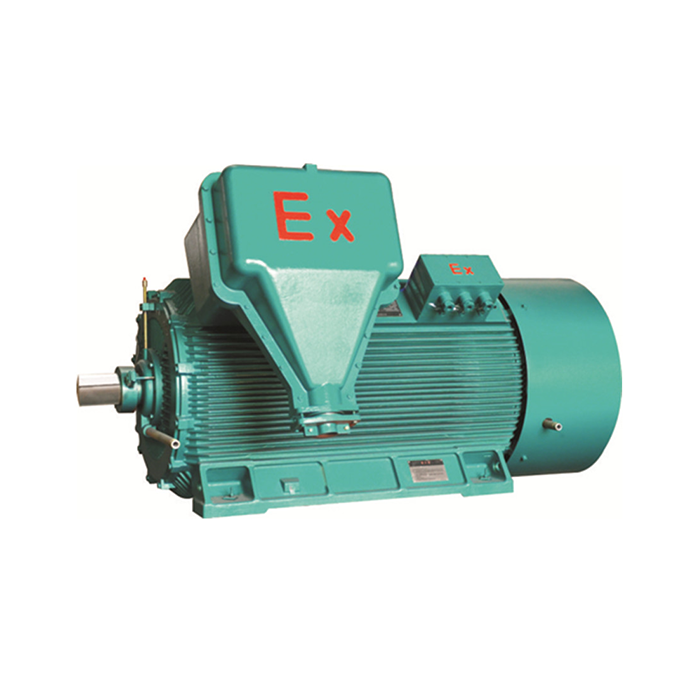
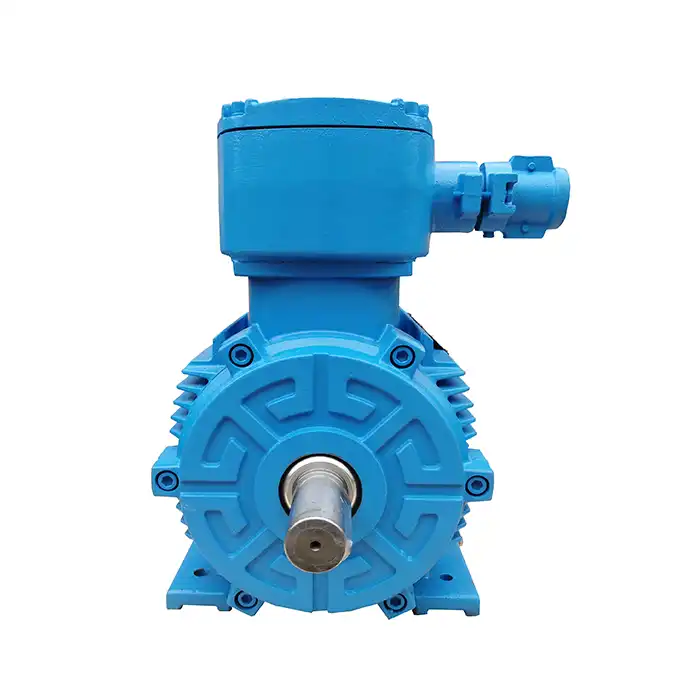
Series:YVFE2
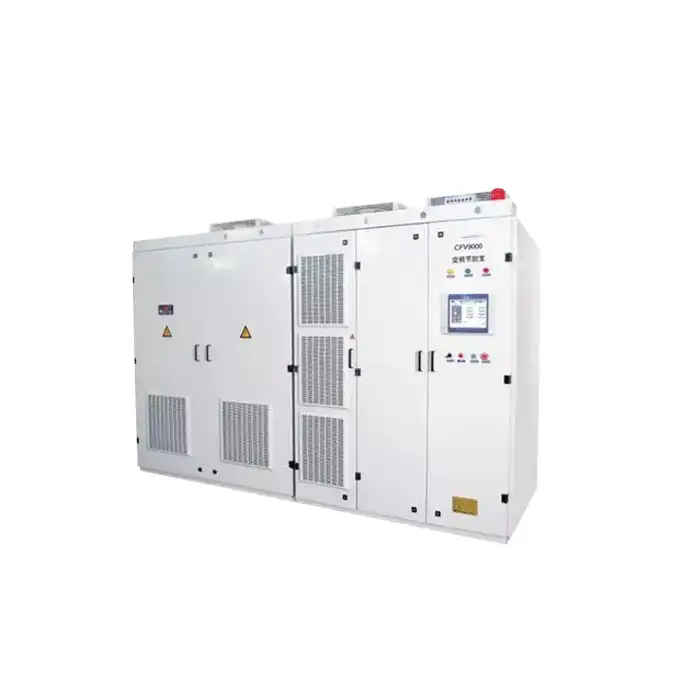
Frequency conversion range:30hz~50hz,5hz~70hz,5hz~100hz
Power range:0.75-355kW
Protection level:IP55
Application:are suitable for driving various mechanical equipment that require continuous and frequent forward and reverse rotation, such as steel rolling, lifting, transportation, machine tools, printing and dyeing, papermaking, chemicals, textiles, pharmaceuticals, etc., and can be used with various domestic and foreign variable frequency power supplies.
Advantage:high efficiency, wide speed range, high precision, stable operation, and easy operation and maintenance.
Certificate:installation dimensions comply with International Electrotechnical Commission (IEC) standards.
Others: SKF, NSK, FAG bearings can be replaced according to customer requirements.
Understanding Vertical Water Pump Motor Technology
Direct-Drive Design for Efficiency
Motors for vertical water pumps are built right into the pump units, so there is no need for extra connection methods. This design cuts down on mechanical waste and boosts system performance, making it easier to send power.
Advantages of Direct Power Transfer
The rotor is directly connected to the pump blade, which makes sure that the power is transferred well and vibrations are kept to a minimum. This means the motor doesn't need as much upkeep and lasts longer, which makes it perfect for commercial uses.
High-Performance Materials and Manufacturing
Today's vertical motors have high-quality copper windings that make the electricity work more efficiently and blades that are perfectly tuned to make the motor run smoothly. These cutting-edge materials and methods make sure that they work reliably in tough conditions, even in hard industrial settings.
Durability for Continuous Operation
Because vertical motors are built to last in difficult situations, they can be used continuously in systems for manufacturing, process control, and automation.
Key Efficiency Advantages in Industrial Applications
Energy Savings in Manufacturing
Vertical water pump motors use a lot less energy, especially when they are used for things like handling process fluids or keeping water moving continuously. Energy saves can be seen and felt in manufacturing sites, which lowers their total operating costs.
Improved Cooling and Temperature Control
In the car industry, vertical motors improve the performance of cooling systems. In the electronics industry, precise temperature control is made possible by efficient water movement, which also ensures stable production conditions.
Hydraulic Efficiency and Fluid Flow Alignment
The vertical position of the motor automatically lines up with the flow patterns of fluids, which lowers hydraulic losses. This alignment reduces noise and pressure drops, making operation more steady at the highest levels of efficiency.
Variable Frequency Drive (VFD) Compatibility
Because vertical motors work well with VFD systems, they can precisely control speed and make the best use of power based on what the system needs at any given time. This function is especially helpful for process control tasks where flow rates change.
Direct Power Transfer for Reduced Losses
Vertical motor designs cut down on mechanical energy loss by getting rid of belt drives and external connections. This makes power transfer almost direct. Through these parts, traditional horizontal systems can lose 5 to 15% of the power that goes into them.
Design Features That Enhance Performance
Durable Cast Iron Housing
Cast iron was used to make the motor case, which makes it more durable and better at removing heat. This sturdy framework can handle movements and changes in temperature, so it will work well and reliably for a long time.
Premium Bearing Systems for Vertical Mounting
Bearing systems that can handle both horizontal and axial forces are needed for vertical motors. Premium bearings with advanced sealing systems keep the motor running smoothly for its entire service life by keeping it clean and lubricated.
Thermal Protection for Enhanced Safety
Temperature sensors and other parts of integrated thermal safety systems constantly check the temperatures of the windings. These monitors let you know when the motor is getting too hot early on, which keeps it from breaking and increases its useful life.
Class F Insulation for High-Temperature Durability
The Class F insulation rating (155°C) provides a substantial thermal margin, ensuring reliable motor operation even in high-temperature environments or under frequent starting cycles. This makes the motor ideal for demanding industrial applications.
Applications Across Various Industries
Industrial Automation
In factories, vertical water pump motors are essential for cooling systems, moving process fluids, and lubricating equipment. In the aerospace business, these motors are also used to precisely control fluids in manufacturing and testing centers.
HVAC Systems
In business buildings, vertical motors are used in cooling towers, systems that move cold water around, and large-scale airflow. Their vertical shape is especially useful in mechanical rooms that don't have a lot of room to put tools down.
Energy and Utilities
Vertical pumps are used to treat and distribute water in the energy and services sectors. They are used to move cooling water around in power plants, and green energy systems depend on them for many other systems. These machines are used in water treatment plants to filter water and give chemicals to plants.
Agricultural Applications
Vertical water pump motors are very important for draining systems, watering animals, and irrigation systems. They keep the water flow steady for farming while also saving energy and cutting down on costs.
Maintenance and Operational Benefits
Simplified Maintenance Procedures
Vertical motor configurations simplify maintenance by providing easy access to bearings and serviceable components without extensive disassembly. This reduces maintenance time and labor costs, improving overall operational efficiency.
Predictive Maintenance Capabilities
Advanced tracking systems, such as sound and heat monitors, and stable working features help find problems early. This makes it possible for repair teams to plan ahead, which reduces the number of unexpected breakdowns and increases uptime.
Simplified Lubrication Systems
When installed vertically, gravity-assisted lubrication makes sure that the bearings are properly oiled without the need for complicated drainage systems. This natural way of lubrication makes upkeep easier and makes the motor more reliable.
Extended Service Intervals and Reduced Wear
Longer repair intervals are possible because there is less mechanical stress, there are no belt drives, and there are direct connection systems. These traits lower the motor's general cost of ownership and care over its lifetime.
Technical Specifications and Performance Parameters
Wide Power Range and Voltage Options
Modern vertical water pump motors come with power levels ranging from 0.55kW to 315kW, so they can be used in a wide range of settings, from small circulation systems to big industrial ones. With energy choices of 380V, 400V, 415V, and 660V, it can work with power sources around the world.
Frequency Range and Speed Control
With a frequency range of 5Hz to 100Hz, these motors work well with variable frequency drives to give you great control over the speed. This adaptability lets you precisely manage flow and save energy, especially in situations where the load changes.
Protection and Durability
The IP55 rating protects against dust and water spray, making sure that the device works reliably in harsh conditions. There are better safety grades for tougher situations that make sure the motor works in hard outdoor or industrial settings.
Flexible Mounting Configurations
Multiple mounting options, including B3, B5, B35, and V1, offer installation flexibility. This allows engineers to optimize motor placement for specific system designs, ensuring efficient operation across different applications.
Installation Considerations and Best Practices
Foundation Requirements
Vertical water pump motors require specialized foundation designs to handle vertical thrust loads and vibration characteristics. A properly designed foundation ensures stable operation and minimizes vibration transmission to surrounding structures.
Alignment Procedures
Specialized techniques and tooling are needed for proper shaft alignment in vertical installations. Laser alignment systems ensure optimal accuracy, preventing premature bearing wear and ensuring efficient power transmission.
Electrical Connection Considerations
Electrical connections must accommodate the motor’s vertical orientation, with weatherproof and secure junction boxes for reliable operation. Cable routing should be designed to prevent stress on electrical connections during motor operation, ensuring longevity and minimal maintenance.
Cooling and Ventilation
Proper ventilation around vertical motors is crucial for efficient heat dissipation. Adequate airflow prevents thermal derating, especially in high ambient temperature environments, ensuring optimal motor performance and reliability.
Economic Impact and Return on Investment
Energy Savings and Operational
Costs Organizations implementing vertical water pump motors typically achieve 20-30% energy savings compared to traditional belt-driven systems. These savings reduce operational expenses significantly over the motor’s lifetime.
Reduced Maintenance Costs
Eliminating belt replacements, reducing coupling maintenance, and extending bearing life lower ongoing maintenance costs. Increased reliability also minimizes unplanned downtime and production losses, improving overall operational efficiency.
Cost-Effective Installation
Initial installation costs may be offset by simplified system design. The compact vertical configuration eliminates the need for additional supports and mechanical components required by horizontal systems, reducing overall system costs.
Productivity Improvements
Vertical motors improve process control and reliability, enhancing product quality and reducing waste in manufacturing applications. Consistent pump performance leads to better process control and increased overall productivity.
Future Developments and Technological Advances
Advanced Motor Control and Materials
Emerging motor control algorithms optimize efficiency across varying loads, while improved magnetic materials increase power density and reduce motor size. These advancements promise even greater efficiency in future motor designs.
Integration of Smart Motor Technologies
Smart motor technologies, incorporating sensors and communication capabilities, provide real-time performance data. This enables predictive maintenance and operational optimization, with integration into industrial IoT systems for centralized monitoring and control.
Energy Recovery Systems
Energy recovery systems, an emerging application for vertical motors, capture and reuse energy from industrial processes. Vertical motors efficiently convert power and handle fluid management in these systems, expanding their roles in sustainable operations.
Environmental Considerations and Efficiency Regulations
Stricter energy efficiency regulations and corporate sustainability goals continue to drive motor design improvements. Future motors will offer even higher efficiency ratings, reducing environmental impact and meeting evolving regulatory requirements throughout their lifecycle.
Conclusion
Vertical water pump motors represent a proven technology for improving pumping system efficiency across industrial applications. The combination of direct-drive design, advanced materials, and sophisticated control capabilities delivers measurable benefits in energy consumption, maintenance costs, and operational reliability. Organizations considering pumping system upgrades should evaluate vertical motor technology as a strategic investment in operational efficiency and long-term cost reduction. The technology's maturity and widespread adoption across diverse industries demonstrate its effectiveness in delivering sustainable performance improvements.
Maximize Your Pumping System Efficiency with XCMOTOR Solutions
XCMOTOR stands ready to transform your pumping operations with our advanced vertical water pump motor technology. Our comprehensive product line delivers proven efficiency improvements and reliable performance across diverse industrial applications. As a trusted vertical water pump motor manufacturer, we provide expert technical support, fast delivery, and dedicated customer service to ensure your success. Contact our team at xcmotors@163.com today to discover how our vertical motor solutions can reduce your energy costs while improving system reliability.
References
1. American Society of Mechanical Engineers. "Vertical Pump Motors in Industrial Applications: Design Principles and Performance Optimization." ASME Technical Publication Series, 2023.
2. Institute of Electrical and Electronics Engineers. "Energy Efficiency Standards for Vertical Water Pump Motors: Comparative Analysis of Motor Technologies." IEEE Industrial Applications Magazine, Vol. 29, Issue 4, 2023.
3. International Electrotechnical Commission. "IEC 60034-30-1: Efficiency Classes for Low Voltage AC Motors - Application to Vertical Pump Motors." IEC Standards Publication, 2023.
4. Hydraulic Institute. "Vertical Turbine Pumps and Motors: Best Practices for Installation and Operation." HI Technical Guidelines, 2022.
5. National Institute of Standards and Technology. "Performance Assessment of Vertical Motor-Driven Pump Systems in Industrial Facilities." NIST Technical Report 1247, 2023.
- Water Environment Federation. "Energy Optimization in Municipal and Industrial Pumping Systems Using Vertical Motor Technology." WEF Technical Practice Committee Report, 2023.