



Uses of 1440 RPM Motors in Automated Systems
A key part of automated systems in many different sectors throughout the globe is the 1440 rpm motor. These induction motors, which run at 1440 revolutions per minute, provide the best speed and torque characteristics for applications that need to operate at a moderate pace with precise control. They are perfect for automated manufacturing processes, conveyor systems, pumping stations, and robotic applications where reliable performance and energy efficiency are still essential for successful operations because of their synchronous speed design.

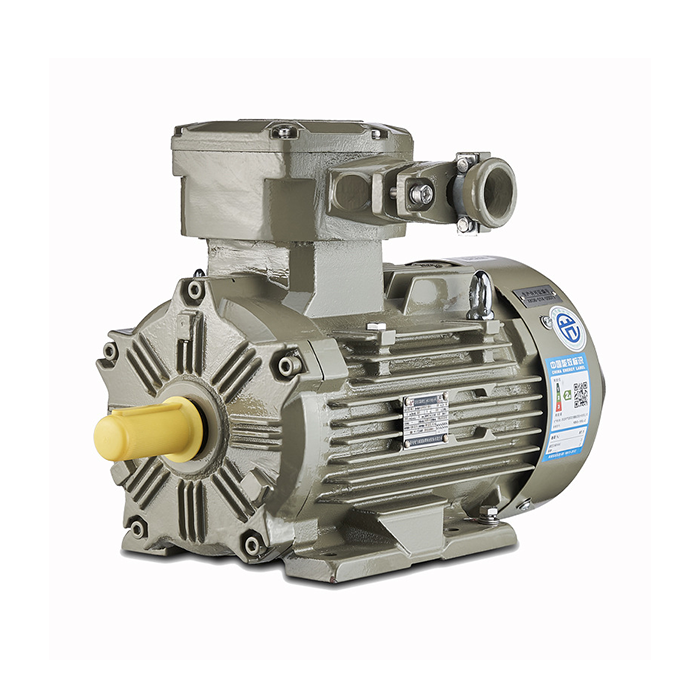
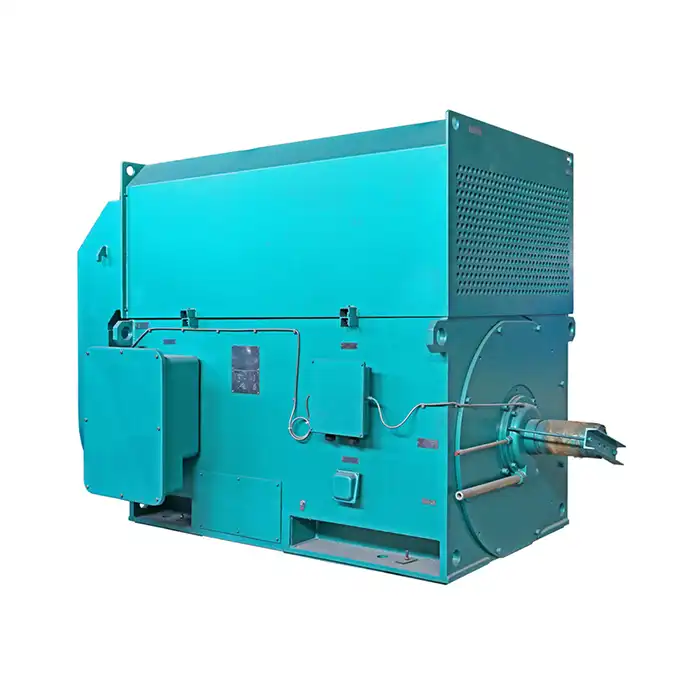
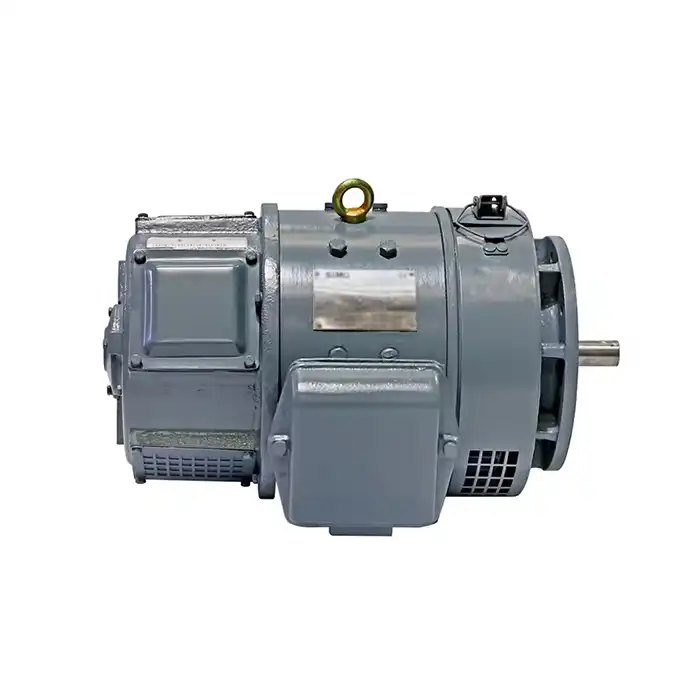
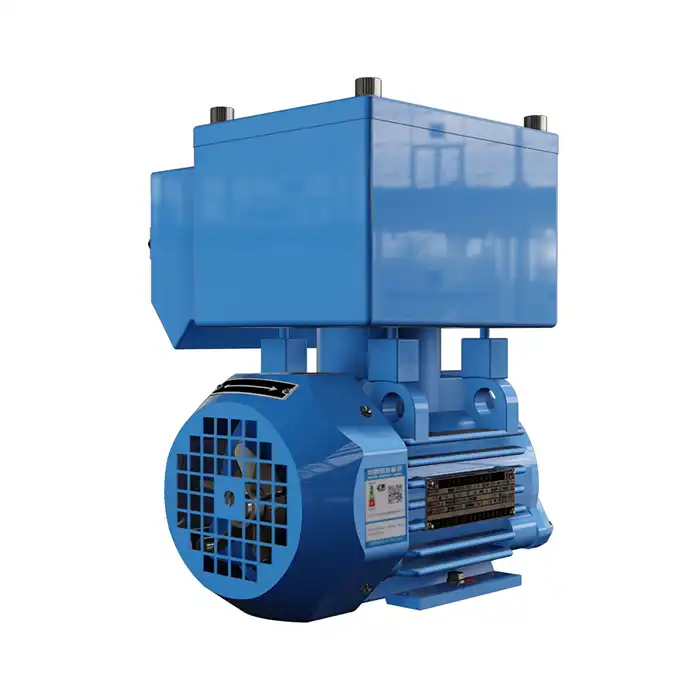
Series:YE4
Frame number: 80-450
Power range:0.75-1000kW
Protection level:IP55
Energy efficiency class: IE4
Voltage range: 380V,400V,415V, 660V,etc.
Application:can be used in various fields of the national economy, such as machine tools,water pumps,fans,compressors,and can also be used in transportation, mixing, printing, agricultural machinery, food and other occasions that do not contain flammable, explosive or corrosive gases.
Certificate: international standard IEC60034-30 ""Efficiency Classification of Single-speed Three-Phase Squirrel Cage Induction Motors"".
Advantage:The high quality of the electric motor guarantees high operational reliability.
Others: SKF, NSK, FAG bearings can be replaced according to customer requirements.
Understanding the Technical Foundation of 1440 RPM Motors
Balancing Power Output with Operational Precision
The 1440 rpm motor provides a sweet spot between power output and control accuracy when it comes to automated systems. These AC motors are very adaptable in international markets because of their synchronous speed, which is ideal for 50Hz power systems.
Enhancing Performance Through Torque and Mechanical Stability
These motors' electromagnetic fields provide a rotor speed that offers superior torque characteristics. A 1440 rpm motor produces significant shaft power while putting less mechanical strain on connected equipment than higher-speed competitors. In automated settings, where equipment life directly affects production costs, this balance is crucial.
Adapting to Variable Loads with Flexible Speed Control
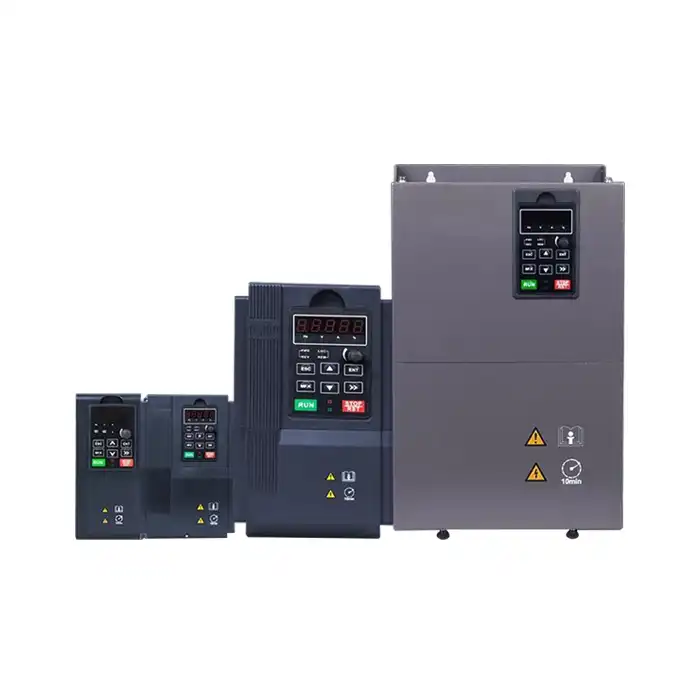
Accurate speed control is essential to modern automated systems. These induction motors' slip properties make it easy to integrate them with variable frequency drives, allowing operators to adjust performance according to particular load needs. Because of their versatility, they are especially useful in situations where mechanical load fluctuates throughout the course of operating cycles.
Improving Efficiency and Longevity Through Advanced Design
Motor efficiency ratings, especially the IE4 classification, guarantee that these devices maximize output while minimizing energy use. By maximizing power transmission, the stator winding design lowers heat production and increases operational life. Reduced maintenance schedules and increased system dependability are direct results of these technological improvements.
Core Applications in Manufacturing Automation
Conveyor Belt Systems
Conveyor systems with 1440 rpm motor units are essential for material handling automation in manufacturing facilities around the globe. In order to preserve production line timing and product quality, these motors provide reliable speed control. Because these motors can manage different mechanical loads without experiencing large speed changes, their torque characteristics are excellent in conveyor applications. The motor ensures steady operation while goods of various weights travel along production lines, avoiding bottlenecks that may stop whole manufacturing operations.
Operators may modify conveyor speeds in accordance with production needs thanks to integration with motor control systems. These motors' variable frequency drives allow for gentle acceleration and deceleration, shielding fragile goods from abrupt motions that may harm them. Thermal protection devices included into contemporary motor designs make temperature management manageable. Equipment is often subjected to high temperatures in manufacturing settings, yet effective thermal management guarantees uninterrupted operation free from unplanned shutdowns.
Automated Packaging Equipment
To maintain product integrity and packing uniformity, packaging automation heavily depends on accurate motor control. For the majority of packing machinery, including filling machines and sealing systems, the 1440 rpm motor offers the perfect speed range. These motors power rotary packing machines, which guarantee uniform product distribution by rotating at a constant pace. By preventing speed fluctuations that would lead to overfilled or underfilled packages, the electromagnetic field stability minimizes waste while upholding quality requirements.
Depending on the features of the product and the materials used for packing, load torque requirements in packaging equipment vary considerably. These motors enable automated systems to effectively manage a variety of product lines by adjusting to shifting needs without the need for human involvement. In packing applications, where accuracy impacts product appearance and seal integrity, motor vibration control becomes essential. Vibrations that might degrade package quality or hasten equipment wear are reduced by balanced rotor design and high-quality bearing systems.
Robotic Arm Assemblies
1440 rpm motor technology is being used more and more in industrial robots for end-effector control and joint actuation. The precision positioning capabilities that these motors provide are crucial for automated assembly processes. These motors' power rating is ideal for medium-duty robotic applications with modest torque and speed requirements. These motors have superior control resolution than their high-speed counterparts, allowing for smoother motions and more accurate placement.
Robotic systems with speed regulation capabilities may modify their movement patterns according to the demands of their tasks. While material handling duties may benefit from greater speeds for increased efficiency, delicate assembly procedures benefit from slower, more controlled motions. In robotic applications where start-stop cycles happen often, motor starting characteristics are very crucial. These motors provide responsive system behavior while offering smooth acceleration curves that safeguard mechanical components.
Process Control and Fluid Handling Systems
Centrifugal Pump Operations
For fluid handling automation, 1440 rpm motor-driven centrifugal pumps are widely used in HVAC systems, chemical processing facilities, and water treatment facilities. These motors retain exceptional efficiency while offering the best operating speeds for the majority of pump designs. Ideal operating conditions are produced by the relationship between motor speed and pump performance curves. These motors provide reliable performance throughout the speed ranges where centrifugal pumps function most efficiently.
These motors' consistent torque characteristics are advantageous to automated pump control systems. Motor control systems may modify operating settings in response to changes in system pressure needs without sacrificing pump performance or running the risk of damaging equipment. Optimizing energy usage is possible with appropriate motor selection and control system integration. These motors, especially the IE4 efficiency variants, save operating costs without sacrificing the performance levels needed for important process applications.
Mixing and Agitation Equipment
Automated mixing systems driven by 1440 rpm motor technology are essential to food production, chemical processing, and pharmaceutical manufacture. For these applications, uniform mixing speeds are necessary to guarantee product quality and uniformity. These motors' torque delivery features successfully manage different viscosity situations. These motors provide steady operation without the need for frequent human adjustments as mixing operations advance and material qualities change.
These motors are easily integrated with process automation systems via common control interfaces. Operators may remotely monitor performance metrics, schedule mixing cycles, and modify speeds in accordance with recipe specifications. Maximum energy transfer to mixing equipment is ensured by shaft power transmission efficiency. In addition to preventing undue stress on the motor and driven equipment, proper connection selection and alignment reduce power losses.
HVAC and Climate Control Automation
Commercial Air Handling Systems
Automated HVAC systems with 1440 rpm motor-driven fans and blowers are essential for large commercial buildings. These motors maintain energy efficiency requirements while offering the optimal speed range for the majority of air handling equipment. Flexible motor control skills are required due to varying airflow needs during building occupancy cycles. These motors work well with building automation systems, modifying fan speeds in response to temperature readings, occupancy sensors, and air quality assessments.
Motor performance is challenged by the mechanical load fluctuations in HVAC systems, but these units adapt well to changing circumstances. These motors can handle a variety of load circumstances without experiencing a decline in performance due to seasonal temperature variations, filter loading, and damper position changes. IE4 rated units are very beneficial in commercial applications since motor efficiency directly affects building operating costs. Over long operation durations, energy savings accumulate, resulting in significant cost savings while achieving environmental sustainability objectives.
Refrigeration Compressor Systems
Commercial and industrial automated refrigeration systems use 1440 rpm motor technology for compressor driving applications. These motors provide dependable functioning, which is crucial for preserving items that are sensitive to temperature. Despite the difficult working circumstances caused by compressor load characteristics, these motors consistently operate well. The electromagnetic field design maintains efficiency throughout continuous operation while managing the large beginning torques needed for compressor operation.
Consistent compressor functioning is crucial for precise temperature control. These motors provide steady speed control, which translates into accurate refrigeration system operation, safeguarding priceless goods and satisfying legal requirements. Modern motor designs have thermal protection mechanisms to avoid overheating, which might jeopardize the dependability of refrigeration systems. By identifying possible problems before they result in system breakdowns, automated monitoring systems may lower maintenance costs and save product losses.
Material Handling and Logistics Automation
Automated Storage and Retrieval Systems
Order fulfillment and inventory management are increasingly dependent on 1440 rpm motor-driven devices in warehouse automation. Conveyor systems, lift mechanisms, and sorting equipment—all necessary for contemporary logistics operations—are powered by these motors. The controllability of these motors is advantageous for automated storage systems with precise placement needs. Accurate location for inventory placement and retrieval activities is made possible by integration with encoder feedback systems.
Motor components are under a lot of stress due to continuous operating demands, yet dependable performance is ensured by strong construction and high-quality bearing systems. Modern facilities need motors that can sustain performance requirements without frequent maintenance interruptions since they run around the clock. Variations in load torque are common when various items pass through automated systems. These motors provide the speed stability necessary for timing and system synchronization while adapting to changing circumstances.
Sorting and Distribution Equipment
To handle a variety of package sizes and weights, package sorting facilities rely on automated systems driven by 1440 rpm motor technology. These motors provide reliable performance, which is necessary to fulfill delivery deadlines. These motors' power ratings are in line with the needs of sorting equipment. They provide maximum performance while reducing energy consumption and equipment costs since they are neither excessive nor undersized for normal applications.
Sorting systems may modify throughput according to package volume and operational needs thanks to speed control features. Maximum speed operation is necessary during peak shipping times, whereas lower speeds and energy savings are possible during lighter periods. Coordinated functioning among many motor-driven components is ensured by motor control integration with sorting system logic. Conveyor, diverter, and lifting mechanism synchronization provide the smooth material flow necessary for effective operations.
Energy and Utilities Applications
Water Treatment Plant Automation
For process automation, 1440 rpm motor-driven equipment is widely used in municipal water treatment plants. These motors provide communities with clean water by powering pumps, mixers, and filtering apparatus. Reliable motor functioning is necessary for water treatment process control needs. These motors provide reliable performance, which is necessary to preserve treatment efficacy and satisfy regulatory compliance requirements.
Long service life is ensured by appropriate motor selection and protection systems, although equipment durability is challenged by the corrosive environment in water treatment plants. IP55 protection ratings provide sufficient defense against typical pollutants and moisture in these settings. Motor efficiency is essential for municipal operations due to energy consumption issues. IE4 efficiency ratings satisfy the performance standards required for efficient water treatment procedures while lowering operating expenses.
Renewable Energy System Components
1440 rpm motor technology is used in wind and solar projects for a number of automated tasks, including as cooling fans, auxiliary equipment operation, and tracking systems. These motors provide dependable operation, which is crucial for optimizing energy production. Motor performance is challenged by the unpredictable circumstances of renewable energy projects, but dependable operation is ensured by sturdy design and protective measures. Motors made for hostile environments are necessary due to temperature variances, humidity fluctuations, and possible contamination.
For the best energy collection, automated tracking systems depend on accurate motor control. For wind turbine nacelle orientation and solar panel placement to maximize power output under changing environmental circumstances, precise motor control is essential. In renewable energy systems, maintenance accessibility often poses difficulties, therefore motor dependability is essential. By offering longer service intervals, these motors save maintenance costs and increase system availability.
Motor Control and Integration Considerations
For modern automated systems to operate at their best, complex motor control integration is necessary. Precise speed control and energy optimization are made possible in a variety of applications by the combination of variable frequency drives with 1440 rpm motor units. These induction motors' slip characteristics provide built-in overload safety while preserving steady performance across a range of load scenarios. While guaranteeing dependable functioning, this natural defense lessens the need for further safety measures.
Soft-start capabilities made possible by contemporary control systems are advantageous for motor starter processes in automated systems. During starting sequences, gradual acceleration ensures smooth system functioning while safeguarding mechanical components. Modern motor control systems include monitoring and troubleshooting features that provide useful operating data. Predictive maintenance techniques that lower unplanned failures are made possible by vibration analysis, temperature monitoring, and power usage tracking.
Conclusion
The 1440 rpm motor plays a vital role in enhancing the efficiency, precision, and reliability of automated systems across various industries. Its ability to balance speed, torque, and energy efficiency makes it an ideal choice for applications like conveyor systems, robotic assemblies, fluid handling, and HVAC automation. With advanced motor control integration, including variable frequency drives and predictive maintenance features, the 1440 rpm motor ensures long-term performance and operational cost savings, driving the future of automation with reliable and sustainable solutions.
FAQ
1. What makes 1440 rpm motors suitable for automated systems?
For the majority of automated applications, the 1440 rpm motor offers ideal speed characteristics. Excellent torque is produced by their moderate speed output, which also allows for fine control using variable frequency drives. They are suitable with 50Hz power systems worldwide because of the synchronous speed design, which guarantees steady operation. Energy efficiency ratings, especially the IE4 classification, save operating costs while satisfying the performance standards necessary for automated processes.
2. How do these motors integrate with modern control systems?
Through established communication protocols, these motors easily interface with variable frequency drives, programmable logic controllers, and building automation systems. Remote monitoring, speed modification, and diagnostic features are made possible via motor control interfaces. Operators can maintain system coordination across various motor-driven components while optimizing performance based on particular application needs, thanks to integration flexibility.
3. What maintenance requirements do these motors have in automated systems?
For 1440 rpm motor units in automated applications, routine bearing inspection and lubrication are the essential maintenance needs. While vibration analysis finds possible mechanical problems before they lead to breakdowns, thermal monitoring stops overheating. High-quality bearing systems lengthen service intervals and save maintenance costs, with alternatives for various manufacturers depending on client needs. Throughout the motor's operating life, optimum performance is ensured by proper installation and alignment, which also reduces wear.
Choose XCMOTOR for Your Industrial Automation Needs
XCMOTOR stands ready to provide premium 1440 rpm motor solutions for your automated systems. Our extensive range covers power ratings from 0.75kW to 1000kW with IE4 efficiency ratings that reduce operational costs. As a trusted 1440 rpm motor manufacturer, we deliver quality products with international certifications and comprehensive support services. Contact our technical team at xcmotors@163.com to discuss your specific automation requirements and discover how our motor solutions can optimize your operations.
References
1. Chapman, Stephen J. "Electric Machinery Fundamentals." McGraw-Hill Education, 2012.
2. Hughes, Austin. "Electric Motors and Drives: Fundamentals, Types and Applications." Newnes, 2019.
3. Fitzgerald, A.E., Kingsley, Charles Jr., and Umans, Stephen D. "Electric Machinery." McGraw-Hill Science Engineering, 2013.
4. Sen, P.C. "Principles of Electric Machines and Power Electronics." John Wiley & Sons, 2021.
5. Boldea, Ion and Nasar, Syed A. "The Induction Machine Handbook." CRC Press, 2010.
6. Krause, Paul C., Wasynczuk, Oleg, and Sudhoff, Scott D. "Analysis of Electric Machinery and Drive Systems." IEEE Press, 2013.