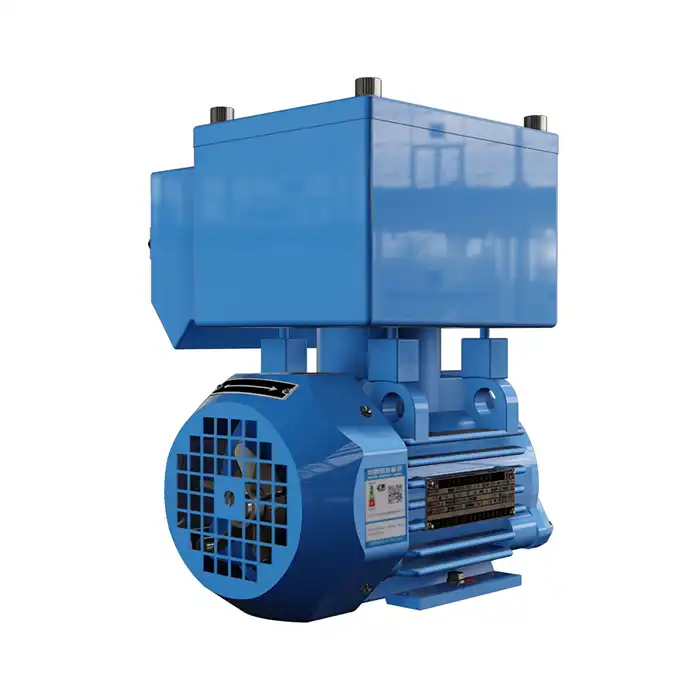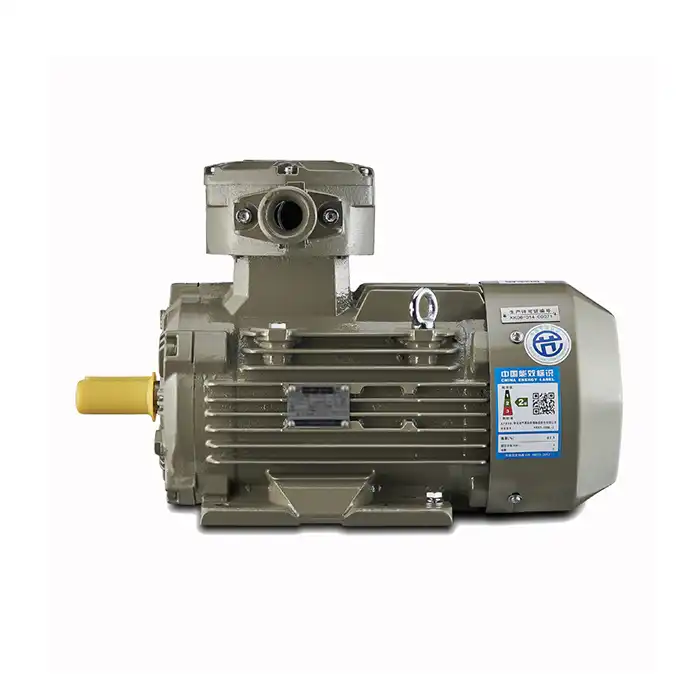




Understanding the Design and Technology Behind IE4 Induction Motors
The IE4 induction motor represents the most advanced standard in energy-efficient industrial motor technology, classified under international IE efficiency ratings that prioritize substantial reductions in energy consumption. Optimised rotor shape, superior magnetic materials, and precision-engineered windings provide these motors efficiency ratings above 96% at full load. Understanding the technical advances of IE4 motors helps procurement managers balance initial investment costs with long-term operating benefits, enabling sustainable manufacturing, HVAC, and energy operations.
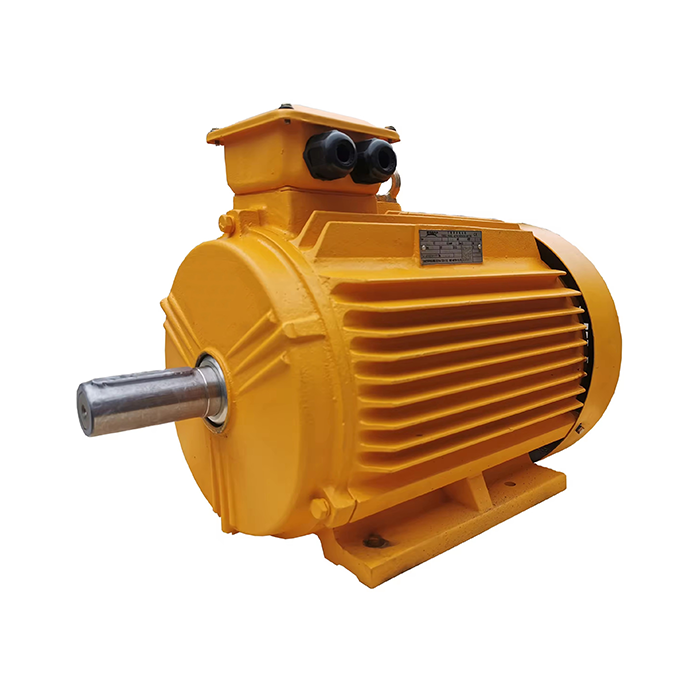
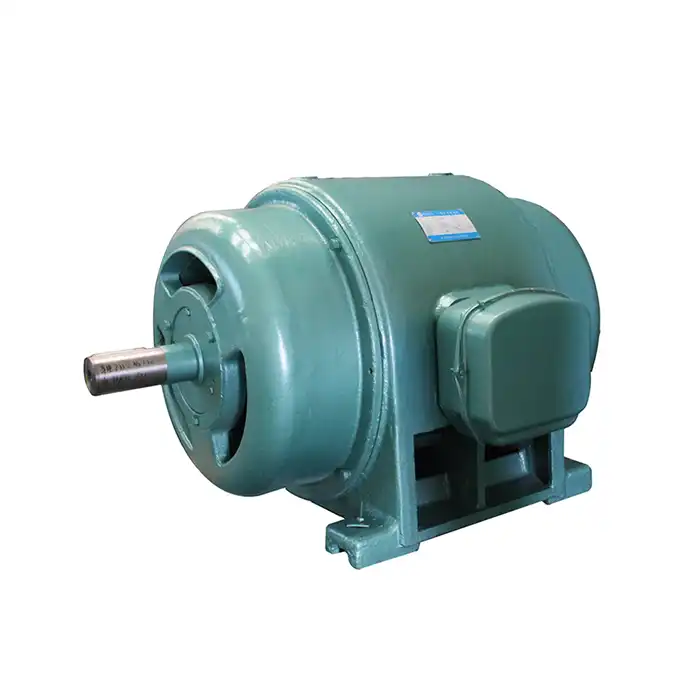
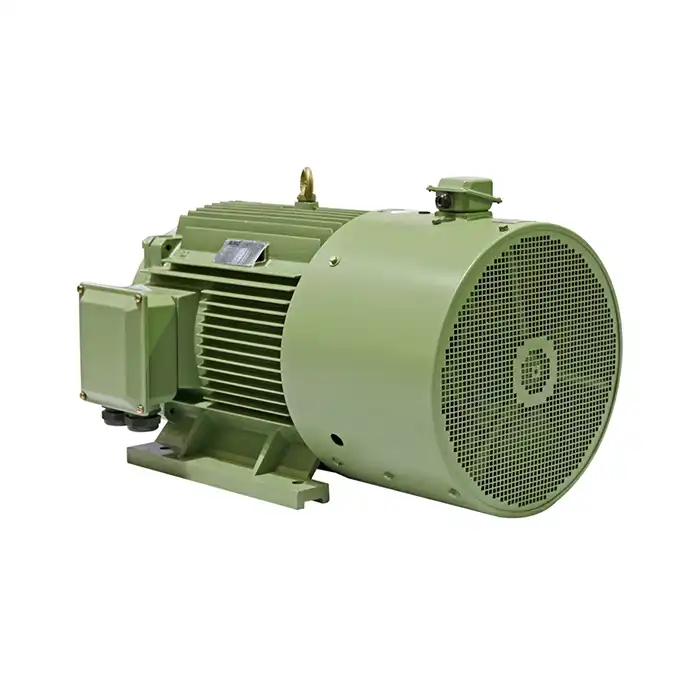
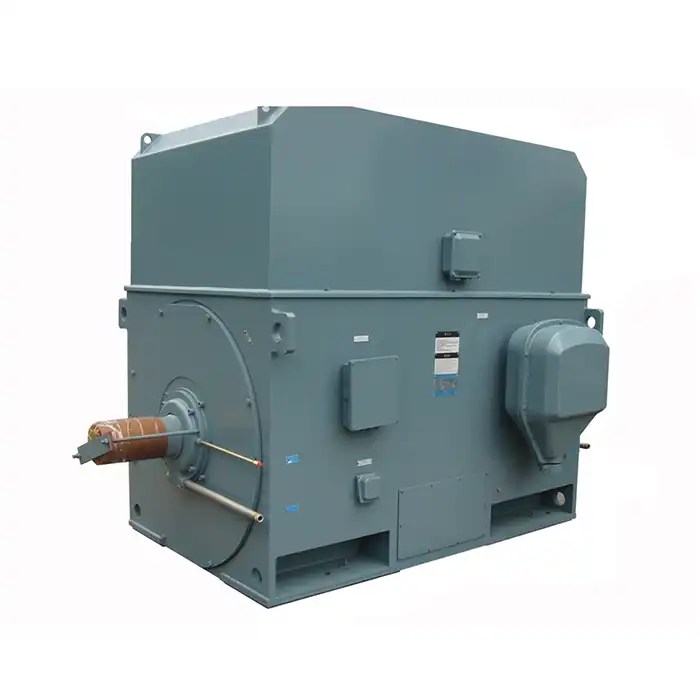
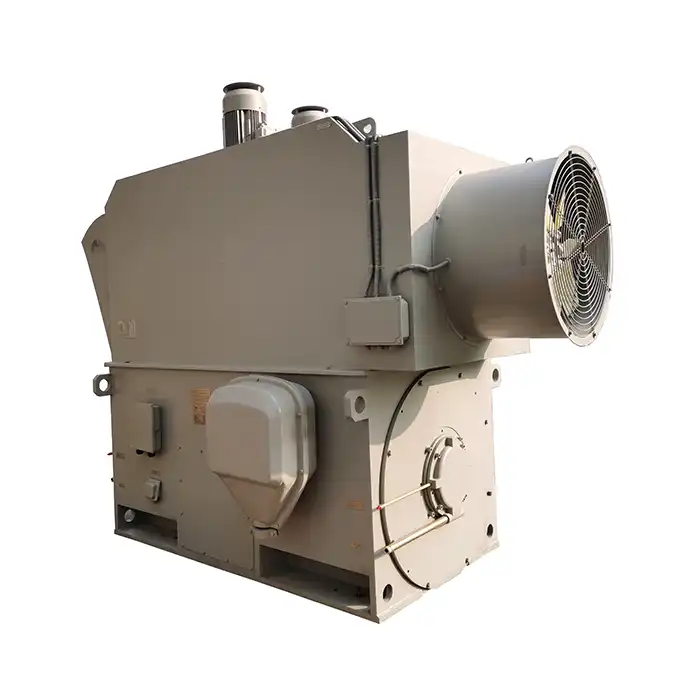
Series:YE4
Frame number: 80-450
Power range:0.75-1000kW
Protection level:IP55
Energy efficiency class: IE4
Voltage range: 380V,400V,415V, 660V,etc.
Application:can be used in various fields of the national economy, such as machine tools,water pumps,fans,compressors,and can also be used in transportation, mixing, printing, agricultural machinery, food and other occasions that do not contain flammable, explosive or corrosive gases.
Certificate: international standard IEC60034-30 ""Efficiency Classification of Single-speed Three-Phase Squirrel Cage Induction Motors"".
Advantage:The high quality of the electric motor guarantees high operational reliability.
Others: SKF, NSK, FAG bearings can be replaced according to customer requirements.
Fundamentals of IE4 Induction Motors
Modern industrial processes need motor solutions that are efficient and reliable across applications. IE4 motors' unique design minimises energy losses and maximises power output.
IE4 Motors Advanced Design Technologies
Premium electrical steel, optimised slot geometry, and copper rotor bars decrease losses in IE4 motors. Precision winding reduces energy loss and boosts motor performance.
Performance Measurements and Operational Benefits
These motors save energy, have reduced lifespan costs, and provide better torque for high-inertia loads. Optimised design assures long-term durability and efficient industrial operation, while reduced noise emissions enhance worker conditions.
Comparative Analysis: IE4 vs Other Motor Technologies
By understanding the execution scene across different engine efficiency classes, you can make smart acquisition decisions that meet your specific operational needs and budget.
Gains in efficiency and energy performance
IE4 induction motors are more efficient than lower-class motors, which lowers the costs of running the business. They are perfect for heavy-duty or ongoing industrial uses because they have a high starting power that makes sure they work reliably under heavy loads.
Lifecycle Cost Implications and Maintenance Considerations
Enhanced thermal management in IE4 induction motors lowers operating temperatures, extends insulation and bearing life, and allows longer maintenance intervals, reducing labor costs and minimizing unplanned downtime in continuous process environments.
Practical Guide: Selecting and Sizing IE4 Induction Motors
Motor selection involves rigorous application-specific parameter assessment to maximise performance, lifespan, and ROI.
Essential Sizes and Application Matching
Motor measurement begins with a detailed stack evaluation that incorporates steady-state and transient situations. Driven gear efficiency losses, natural engine performance factors, and future stack increases should be included in control requirements. Office electrical foundation and productivity optimisation aims determine voltage choice among 380V, 400V, 415V, and 660V.
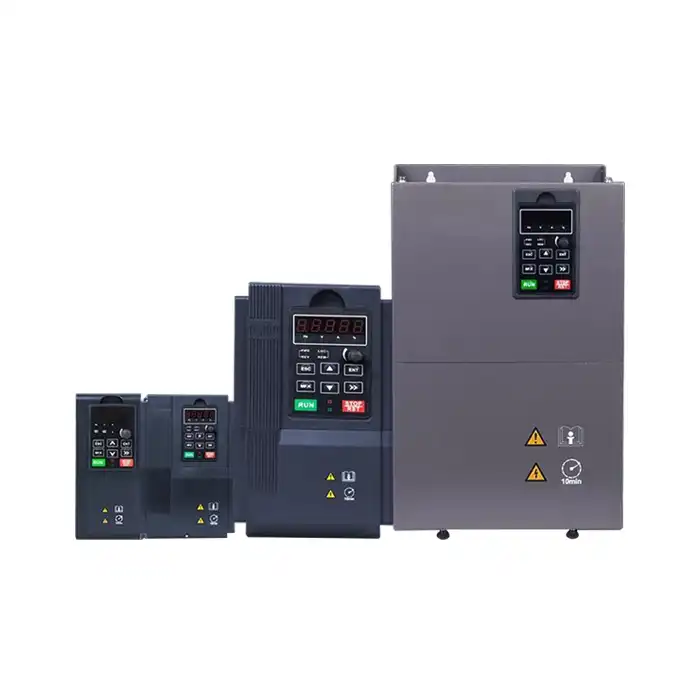
Startup and varying load situations need torque adjustments with driven gear needs. IE4 engines perform well in applications needing consistent torque over broad speed ranges, making them suitable for variable frequency drive applications where precise speed control increases framework efficiency.
Maintenance Best Practices and Performance Optimisation
Organised maintenance improves IE4 engine performance and lifespan. Warm checking ensures appropriate operating temperatures and detects cooling system faults, while normal vibration testing detects bearing issues that may fail. Oil plans should follow manufacturer recommendations and use premium oils for certain operating circumstances and natural elements.
Electrical testing, including cover resistance estimates and control quality analysis, helps identify engine performance concerns. These demonstrative methods are crucial in fundamental applications where spontaneous blackouts have serious operational and financial repercussions.
Global Certification and Compliance Needs
International efficiency requirements IEC60034-30 and regional safety certificates apply to IE4 motors. These criteria provide constant performance and allow valid manufacturer and product comparisons. Compliance paperwork aids procurement and quality management system integration.
Market Overview: Leading IE4 Induction Motor Brands and Solutions
The worldwide IE4 motor market has several manufacturers providing solutions for various industrial areas and applications.
Product Differentiation and Manufacturer Landscape
Leading manufacturers have different IE4 engine plans, some focussing on materials research, others on manufacturing precision and quality control. Item separation often focusses on industry-specific features such increased vibration resistance, temperature ratings, or mounting arrangements.
Premium bearing choices are a crucial separating calculation, with manufacturers promoting decisions from renowned bearing corporations to match application needs. Custom bearing arrangements are crucial in severe environments or situations needing extended maintenance.
Cost and Buying Channels
For big projects or applications needing specialised configurations, direct manufacturer involvement frequently offers the best technical assistance and customisation choices. Distributor networks give local assistance and speedier delivery for typical configurations, while internet platforms provide product specs and price.
Volume discounts of 5-15%, depending on order size and manufacturer rules, may save multi-motor installations money. Critical applications where downtime costs exceed premium service prices benefit from extended warranties and extensive service agreements.
XCMOTOR: Your Trusted IE4 Induction Motor Partner
XCMOTOR, a division of Shaanxi Qihe Xicheng Electromechanical Equipment Co., Ltd., provides power equipment solutions for industrial motor needs in numerous areas. Our goal is to provide high-efficiency motors with low energy consumption profiles and consistent power characteristics while providing prompt technical assistance throughout the client relationship.
Comprehensive IE4 Motor Product Portfolio
Our IE4 induction motor range spans power ratings from 0.75 kW to 1000 kW, accommodating applications from small process equipment to large industrial drives. These motors feature IP55 protection levels as standard, ensuring reliable operation in challenging industrial environments while maintaining the ultra-high efficiency characteristics that define the IE4 classification.
We provide technical consulting to optimise motor selection for individual application needs, and voltage versatility spanning 380V, 400V, 415V, and 660V allows smooth connection with existing electrical infrastructure. Precision die-casting and quality testing assure consistent performance and long life in each motor.
Advanced Technology and Customisation
We use high-quality components from reputable vendors and provide top bearing brands like SKF, NSK, and FAG to meet client standards. Applications with special environmental conditions or prolonged maintenance intervals benefit from this flexibility.
Our motors fulfil worldwide efficiency classification criteria and client compliance goals with comprehensive IEC60034-30 certification. Through industry-leading testing and material verification, our quality assurance systems ensure operational dependability.
Application Flexibility Across Industries
XCMOTOR's ie4 induction motors power machine tools, water pumps, fans, and compressors in manufacturing. Our motor dependability and efficiency assist transportation, mixing, printing, and agricultural equipment. Food processing uses our motors in non-hazardous situations where consistent performance and simple maintenance are crucial.
Application-specific advise from our technical team ensures appropriate motor selection that balances performance and lifespan cost. This consulting strategy maximises motor investment returns while supporting operational efficiency and environmental goals.
Conclusion
IE4 induction motors represent a critical headway in mechanical engine innovation, conveying significant productivity enhancements that translate to significant operational taken a toll diminishments and improved environmental performance. The modern plan components, counting premium materials, optimized attractive circuits, and accurate fabrication make engines that exceed expectations over assorted mechanical applications, while keeping up the unwavering quality and strength required for persistent operations. Understanding these mechanical points of interest empowers educated acquisition choices that adjust starting speculation costs with long-term operational benefits. As mechanical operations progressively prioritize vitality productivity and supportability, IE4 engines give a demonstrated arrangement that bolsters both monetary and environmental targets while conveying the execution characteristics requested by present day mechanical applications.
FAQ – Frequently Asked Questions
1. Why are IE4 motors better than IE3 ones?
IE4 motors are 2-3% more efficient than IE3 versions, saving energy during their lifespan. Higher power factor performance minimises reactive power needs, while lower operating temperatures prolong component life and save maintenance. Improved acoustics improve workplaces while keeping outstanding torque over the working range.
2. What motor size is right for my application?
Load analysis must include steady-state power, beginning torque, and duty cycle parameters for proper sizing. Ambient temperature, altitude, and ventilation impact motor performance and must be addressed during selection. Our technical staff advises on motor size to meet performance and efficiency goals.
3. Which maintenance methods boost IE4 motor performance?
Bearing lubrication per manufacturer specifications, vibration monitoring to detect faults, and thermal analysis to guarantee cooling system performance should be part of regular maintenance. Electrical testing like insulation resistance and power quality analysis enhances performance. Motor integrity is protected during installation and commissioning by proper storage and handling.
Ready to Transform Your Operations with Advanced IE4 Technology?
XCMOTOR stands ready to support your motor upgrade initiatives with comprehensive IE4 induction motor solutions designed for diverse industrial applications. Our experienced engineering team provides technical consultation, custom configuration options, and reliable delivery schedules that minimize project delays and operational disruptions. As your trusted IE4 induction motor supplier, we combine premium component quality with competitive pricing and responsive customer support that extends throughout your motor's operational life. Contact our specialists at xcmotors@163.com to explore our complete product portfolio and discuss your specific motor requirements. Discover how our IE4 technology can reduce your energy costs while enhancing operational reliability across your facilities.
References
1. International Electrotechnical Commission. "IEC 60034-30-1:2014 Rotating Electrical Machines - Part 30-1: Efficiency Classes of Line Operated AC Motors." Geneva: IEC Publications, 2014.
2. Boglietti, Aldo, et al. "Evolution and Modern Approaches for Thermal Analysis of Electrical Machines." IEEE Transactions on Industrial Electronics, vol. 56, no. 3, 2009, pp. 871-882.
3. Ferreira, Fernando J.T.E., and Aníbal T. de Almeida. "Novel Multiflux Level, Three-Phase, Squirrel-Cage Induction Motor for Efficiency and Power Factor Maximization." IEEE Transactions on Energy Conversion, vol. 23, no. 1, 2008, pp. 101-109.
4. Saidur, Rahman. "A Review on Electrical Motors Energy Use and Energy Savings." Renewable and Sustainable Energy Reviews, vol. 14, no. 3, 2010, pp. 877-898.
5. Waide, Paul, and Conrad U. Brunner. "Energy-Efficiency Policy Opportunities for Electric Motor-Driven Systems." International Energy Agency Working Paper, Paris: OECD/IEA, 2011.
6. De Almeida, Aníbal T., et al. "Premium Efficiency Motor Standards and Programme Implementation." IEEE Industry Applications Magazine, vol. 17, no. 6, 2011, pp. 12-19.