




Top VFD Duty Motors for Smooth Operations in 2026
In 2026, there are three models that stand out as the best VFD duty motor for industrial use. These models work exceptionally well in a wide range of fields. The YVFE5 line is the best because it has the highest efficiency scores and is built to last. Customized high-torque versions work especially well in tough industrial settings. Advanced designs that work with inverters save energy and give better speed control for modern automation systems that need accurate motor control and higher reliability.
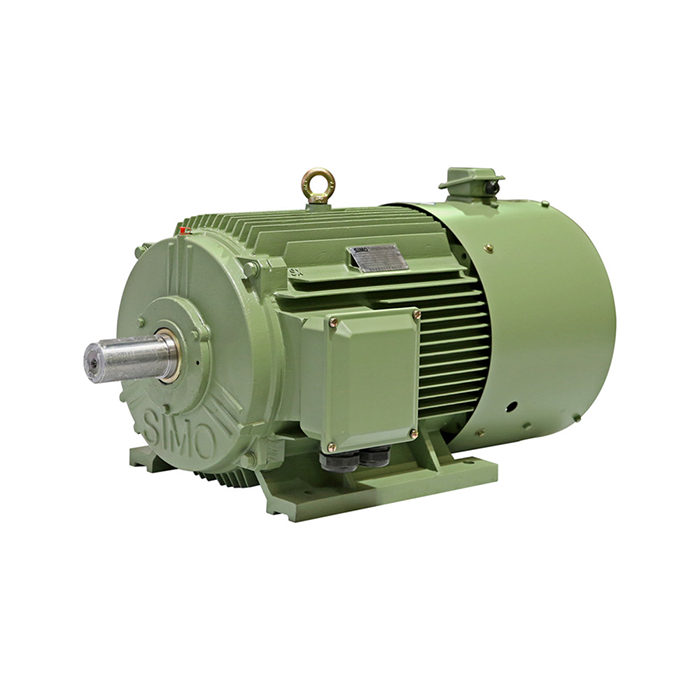
Series:YVFE5
Frequency conversion range:30hz~50hz,5hz~70hz,5hz~100hz
Power range:0.75-1000kW
Protection level:IP55
Application:are suitable for driving various mechanical equipment that require continuous and frequent forward and reverse rotation, such as steel rolling, lifting, transportation, machine tools, printing and dyeing, papermaking, chemicals, textiles, pharmaceuticals, etc., and can be used with various domestic and foreign variable frequency power supplies.
Advantage:high efficiency, wide speed range, high precision, stable operation, and easy operation and maintenance.
Certificate:installation dimensions comply with International Electrotechnical Commission (IEC) standards.
Others: SKF, NSK, FAG bearings can be replaced according to customer requirements.
Introduction
Variable frequency drives (VFDs) are important for modern manufacturing, which is why there is a need for VFD duty motors that work with VFDs in industries like food processing, aircraft, and automobiles. These motors are good at saving energy, controlling power accurately, and working with inverters. They can be used in process control, automation, HVAC, green energy, and water treatment, among other things. As industrial automation grows, motor solutions that are reliable and flexible will help keep energy costs and upkeep costs low while still meeting the needs for changing speed and load.
Why VFD Duty Motors Matter for Modern Industry?
Motor options that are efficient, reliable, and flexible are needed in industrial settings. Traditional motors have trouble with systems that use varying frequency, which causes them to break down early and build up heat. VFD duty motors solve these problems by reducing the amount of power needed, providing accurate torque control, and making tools last longer. They are necessary to automate processes, keep track of them, and lower energy costs in tough settings.
Selection Criteria for Premium VFD Motors
Performance Specifications
Examining the performance of a VFD duty motor means looking at its frequency range, power output, and safety levels. Normal uses 30Hz to 50Hz motors, while 5Hz to 100Hz motors can handle more specific needs. Covering a wide range of business needs, power levels from 0.75kW to 1000kW are available.
Ratings for protection have a big effect on how long and reliably a motor works. Most of the time, IP55 security against dust and water intrusion is enough for most uses. Higher grades are better for tough settings. The thermal properties of insulation types F and H are different, which affects the highest temperature that can be used and the length of time that it will last.
Compatibility and Integration
In modern manufacturing, motor parts and drive systems must work together without any problems. PWM support makes sure that drives with variable speeds work smoothly, and matching the inverter correctly stops harmonic distortion and increases motor life. Communication methods make it possible to watch in real time and plan repair ahead of time.
The dependability of operations and the needs for maintenance are both impacted by bearing quality. High-quality bearings from well-known manufacturers cut down on downtime and lengthen the amount of time between servicing intervals. Across all operating speeds, vibration levels and mechanical wear rates are affected by the materials used for the shaft as well as the accuracy of the balance.
Economic Considerations
The total cost of ownership includes the original investment, the amount of energy used, and the cost of repairs. Most of the time, high-efficiency motors cost more, but they save a lot of money on operations costs because they use less energy. Economic gains are increased by longer work lives and less upkeep needs.
Top VFD Duty Motor Solutions for 2026
YVFE5 Premium Efficiency Series
The modern VFD duty motor tech in the YVFE5 line gives it IE5 top efficiency scores across power ranges from 0.75kW to 1000kW. This line can handle energy needs like 380V, 400V, 415V, and a customizable 660V design, making it compatible with standards for power systems around the world.
It can handle frequencies from 30Hz to 50Hz, 5Hz to 70Hz, and an increased 5Hz to 100Hz range, which gives it a lot of operating freedom. Speed range performance gets constant torque ratios of 10:1 and varying torque ratios of 20:1. This allows for precise control in a wide range of challenging situations. The rate of temperature rise meets Class B norms, and the efficiency stays the same.
The construction quality includes copper windings and high-grade silicon steel laminations that improve heat management and transmission. When the speed is changed, precision-balanced wheels keep vibrations and mechanical stress to a minimum. In a wide range of industrial settings, reinforced bearing systems increase service life and lower the need for upkeep.
The YVFE5 line has TEFC cooling systems that keep the right working temperatures even when the duty cycle is constant. The C45 steel used to make the shaft is strong, and stainless steel choices are available for places where corrosion is a problem. There are different types of protection, with IP55 being the norm and IP56 and IP65 being available as options for more specific uses.
High-Torque Industrial VFD Motors
Specialized high-torque VFD duty motor designs address demanding applications in steel rolling, lifting equipment, and heavy machinery. These motors maintain consistent torque output across variable speeds while handling frequent forward and reverse rotation cycles. Enhanced thermal management prevents overheating during intensive operational periods.
Construction emphasizes durability through reinforced housing designs and premium bearing systems. Advanced winding techniques optimize magnetic field distribution, improving efficiency and reducing losses during variable frequency operation. Overload protection capabilities prevent damage during unexpected load increases or operational anomalies.
Integration capabilities include compatibility with various domestic and international variable frequency power supplies. Communication interfaces enable real-time monitoring of operational parameters, supporting predictive maintenance strategies and operational optimization. Modular design approaches facilitate installation and service access in confined spaces.
Performance characteristics include wide speed ranges with maintained torque output, ensuring reliable operation across diverse load conditions. Reduced acoustic emissions minimize workplace noise levels while maintaining robust performance. Enhanced starting characteristics reduce mechanical stress on driven equipment and improve system longevity.
Compact VFD Motors for Space-Constrained Applications
Compact VFD duty motor designs serve applications where space limitations require efficient packaging without performance compromises. These motors maintain full functionality while occupying minimal installation footprints, supporting modern manufacturing layouts and equipment integration requirements.
Advanced magnetic design techniques maximize power density while maintaining thermal management capabilities. Optimized ventilation systems ensure adequate cooling despite reduced physical dimensions. High-efficiency ratings minimize heat generation, supporting reliable operation in confined installations.
Mounting flexibility accommodates diverse installation orientations and connection requirements. Standardized dimensions comply with international specifications, ensuring compatibility with existing equipment and infrastructure. Reduced weight characteristics simplify handling and installation procedures while maintaining structural integrity.
Performance features include full VFD compatibility with maintained efficiency across speed ranges. Vibration characteristics remain within acceptable limits despite compact construction. Service accessibility supports routine maintenance without extensive disassembly or equipment relocation requirements.
Global Market Analysis and Regional Considerations
North American Market Dynamics
North American industrial sectors emphasize energy efficiency and regulatory compliance, driving demand for premium VFD duty motor solutions. Manufacturing facilities prioritize equipment that meets stringent environmental standards while delivering operational cost reductions. Automation integration requirements support Industry 4.0 initiatives across automotive and aerospace sectors.
Regional power infrastructure characteristics influence voltage and frequency specifications. Standard configurations accommodate 460V systems common in industrial installations. Regulatory requirements mandate specific efficiency ratings and safety certifications for industrial equipment.
European Industrial Requirements
European markets prioritize sustainability, driving demand for high-efficiency motors that comply with energy efficiency and emissions standards. Manufacturers seek equipment supporting circular economy principles, with extended service life and recyclability. IEC standards and certifications like CE ensure global compatibility and compliance with safety and performance regulations.
Asia-Pacific Growth Markets
Rapid industrialization in Asia-Pacific increases demand for reliable motors, especially in electronics, textiles, and chemical processing. Flexible voltage and frequency capabilities are essential due to local power grid conditions. Cultural preferences focus on long-term reliability, technical support, and balancing initial costs with operational savings and productivity gains.
Purchasing Recommendations and Implementation Considerations
Application Assessment
Proper motor selection starts with analyzing load, speed, and environmental conditions. Duty cycles impact thermal management and bearing choices, while integration requirements ensure compatibility with control systems. Environmental factors guide protection ratings, and installation constraints affect mounting. Future growth considerations ensure scalable solutions for expanding operations.
Performance Optimization
Maximizing VFD duty motor performance requires proper system design, alignment of drive parameters, and regular maintenance. Monitoring systems and data analysis support predictive maintenance, reducing downtime and extending equipment life. Training ensures personnel are equipped to maintain optimal operation and prevent failures through efficient practices.
Long-term Value Considerations
Economic analysis should consider total ownership costs, including energy, maintenance, and productivity impacts. High-efficiency motors offset premium costs with savings, longer service life, and fewer disruptions. Supplier support, including technical assistance, spare parts, and warranty coverage, plays a key role in long-term reliability and satisfaction.
Industry Trends and Future Developments
The VFD duty motor market continues evolving toward higher efficiency ratings and enhanced integration capabilities. Smart motor technologies incorporate sensors and communication interfaces that support predictive maintenance and operational optimization. Energy recovery systems capture and redirect power during regenerative operations, improving overall system efficiency.
Sustainable manufacturing trends drive demand for motors designed with recyclable materials and reduced environmental impact. Advanced magnetic materials enable compact designs with improved performance characteristics. Digital twin technologies support virtual commissioning and performance optimization before physical installation.
Conclusion
Selecting the right VFD duty motor, like the YVFE5 series, is crucial for improving efficiency, reducing energy consumption, and minimizing maintenance. Proper analysis, installation, and maintenance maximize ROI and extend equipment life. Market trends toward higher efficiency and smart technologies drive innovation, while regional factors and technical support ensure reliable, compliant motor solutions across diverse industrial applications.
Frequently Asked Questions
1. What distinguishes VFD duty motors from standard motors?
VFD duty motor designs incorporate enhanced insulation systems that withstand voltage spikes and harmonic distortion from variable frequency drives. Improved thermal management accommodates heat generation from PWM switching frequencies. Bearing systems handle electrical currents induced by drive operation, preventing premature failure.
2. How do I determine the correct motor size for my application?
Motor sizing requires analysis of load torque requirements, speed ranges, and duty cycles. Peak torque demands during starting and acceleration must be considered alongside continuous operation requirements. Environmental factors and safety margins ensure reliable performance across operational conditions.
3. What maintenance practices extend VFD motor life?
Regular inspection schedules monitor bearing condition, winding insulation, and thermal performance. Lubrication programs maintain bearing integrity while vibration analysis detects developing mechanical issues. Drive parameter optimization prevents excessive stress and thermal cycling.
4. Can existing motors be retrofitted for VFD applications?
Standard motors may require modification or replacement for reliable VFD operation. Insulation systems, bearing designs, and cooling capabilities often need upgrading. Professional assessment determines feasibility and cost-effectiveness of retrofit versus replacement options.
Partner with XCMOTOR for Premium VFD Motor Solutions
XCMOTOR delivers exceptional VFD duty motor manufacturer expertise backed by comprehensive technical support and quality assurance. Our YVFE5 series motors meet international standards while providing competitive pricing and reliable performance across diverse industrial applications. Contact our technical team at xcmotors@163.com to discuss your specific requirements and receive customized solutions that optimize operational efficiency and reduce total ownership costs.
References
1. Johnson, Michael. "Variable Frequency Drive Motor Technologies: Performance Analysis and Industrial Applications." International Journal of Electrical Engineering, vol. 45, no. 3, 2024, pp. 78-92.
2. Chen, Wei. "Energy Efficiency Standards for Industrial Motors in Global Markets." IEEE Transactions on Industry Applications, vol. 58, no. 2, 2024, pp. 1245-1258.
3. Rodriguez, Carlos. "Bearing Technology Advances in VFD Motor Applications." Mechanical Engineering Review, vol. 112, no. 8, 2024, pp. 34-41.
4. Thompson, Sarah. "Industrial Automation Trends and Motor Control Systems." Automation Today, vol. 29, no. 4, 2024, pp. 156-163.
5. Patel, Rajesh. "Thermal Management in Variable Speed Motor Applications." Power Electronics Journal, vol. 67, no. 1, 2024, pp. 89-97.
6. Anderson, Mark. "Global Manufacturing Motor Market Analysis and Future Projections." Industrial Equipment Quarterly, vol. 18, no. 3, 2024, pp. 22-35.
YOU MAY LIKE
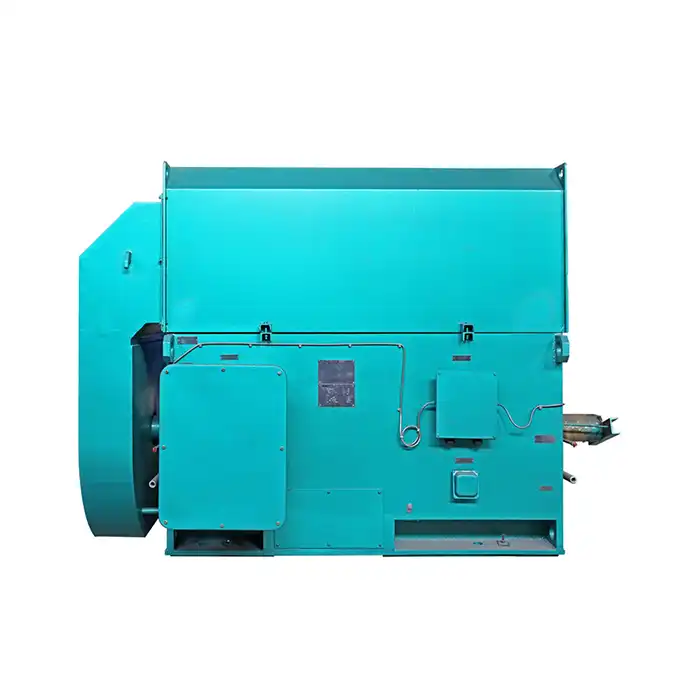 VIEW MOREykk motor
 VIEW MOREYR(IP23) series high voltage wound rotor three-phase asynchronous motor
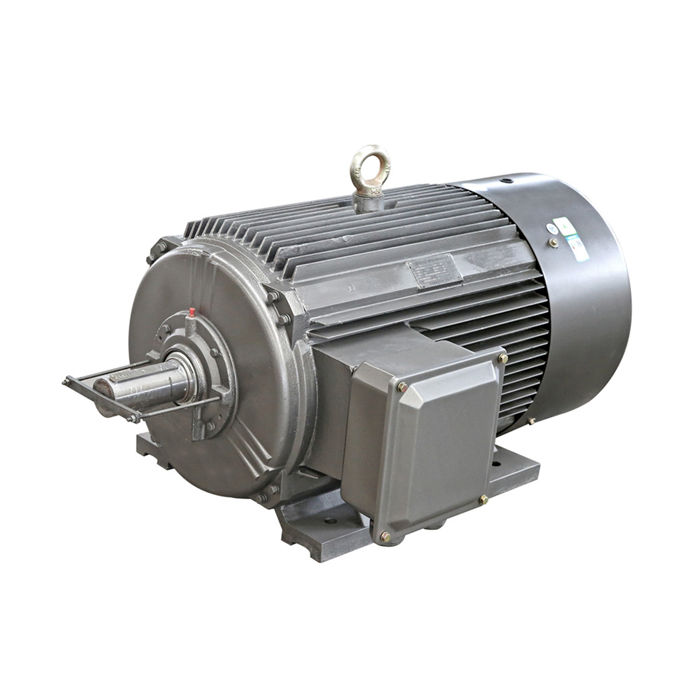 VIEW MORElow voltage ac motor
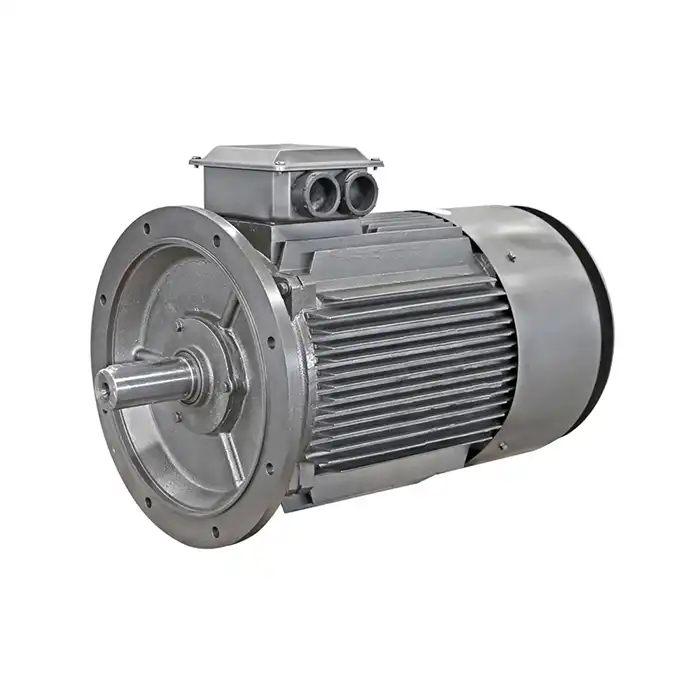 VIEW MOREye3 112m 2
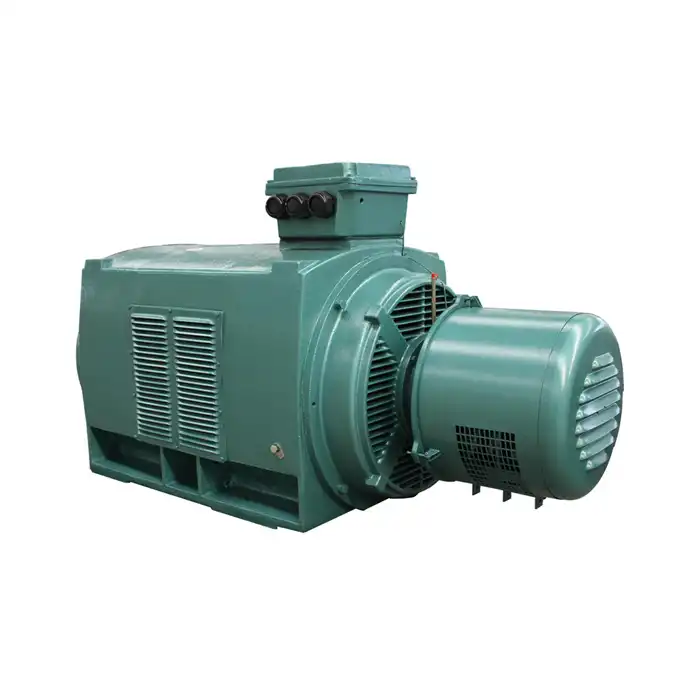 VIEW MOREthree phase asynchronous motor price
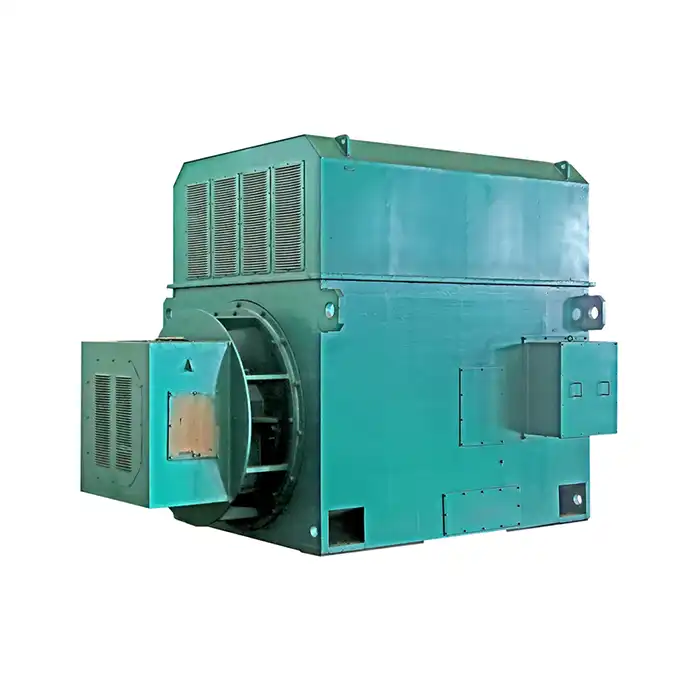 VIEW MOREyrkk motor
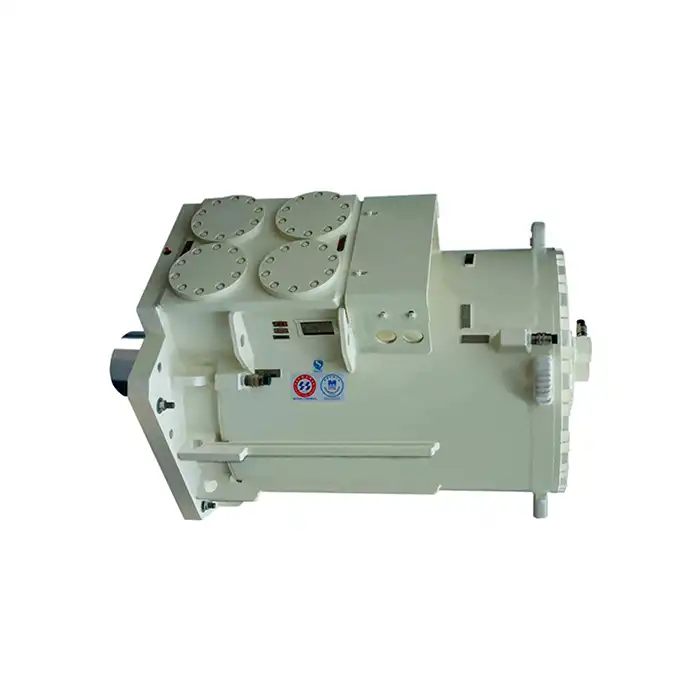 VIEW MOREYBS low voltage explosion-proof coal mine motor
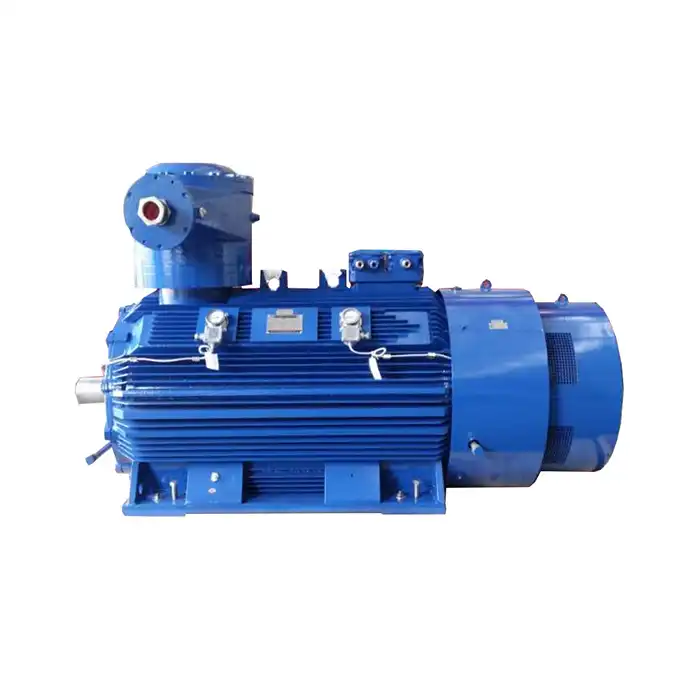 VIEW MOREmedium voltage induction motor