



How IEC Low Voltage Motors Are Revolutionizing Industrial Systems?
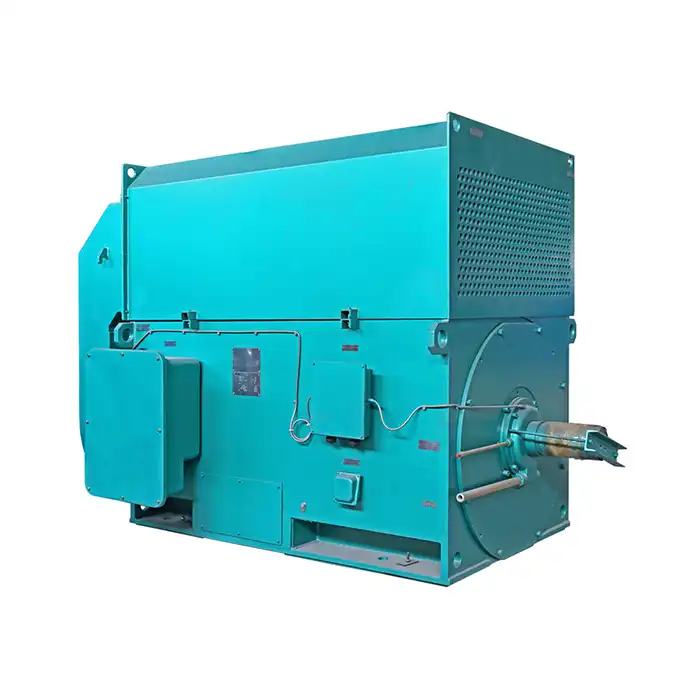
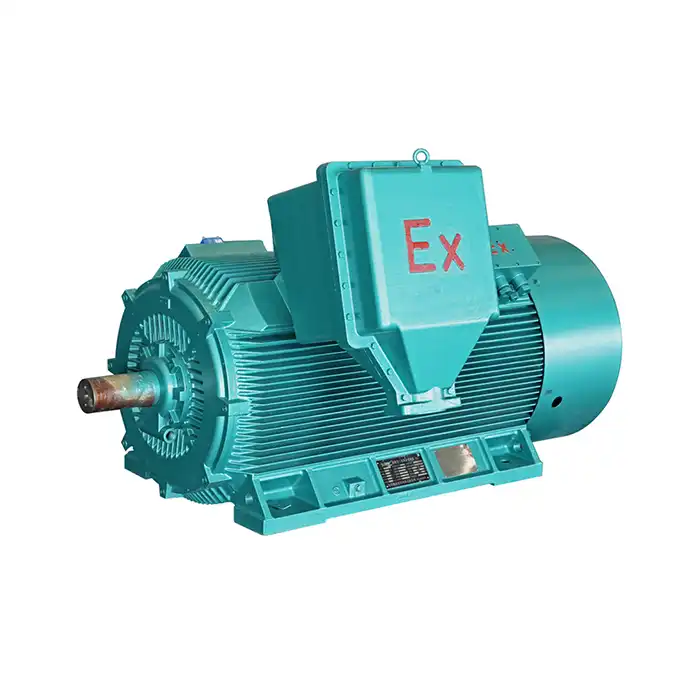
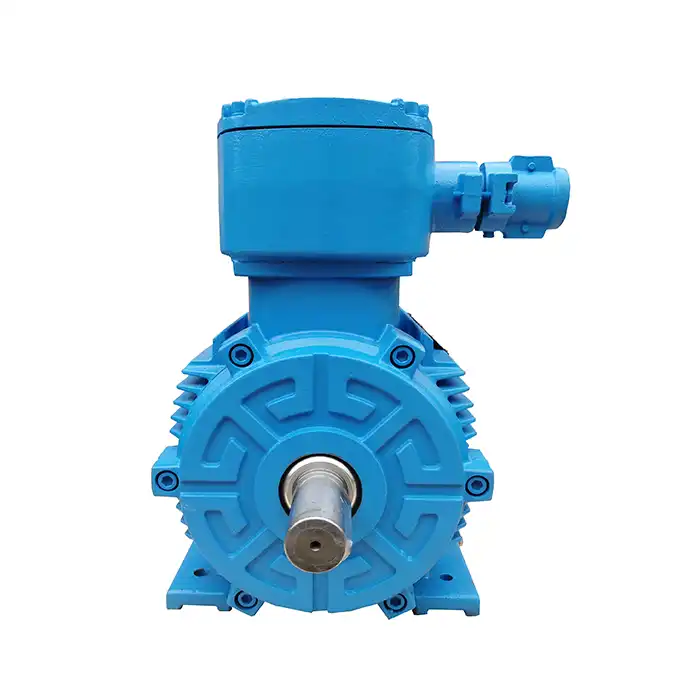
Today's industrial systems have to meet speed, dependability, and economy standards that have never been seen before. When it comes to these problems, IEC Low Voltage Motors have come up as game-changing options that offer better energy savings, precise control, and strong operating stability. Manufacturers can improve their production methods while cutting costs with these high-tech electric motors that are made to meet international standards. IEC Low Voltage Motors are widely used in manufacturing, automation, and energy, which shows how important they are for modern industry processes. They set new standards for motor technology and system integration.
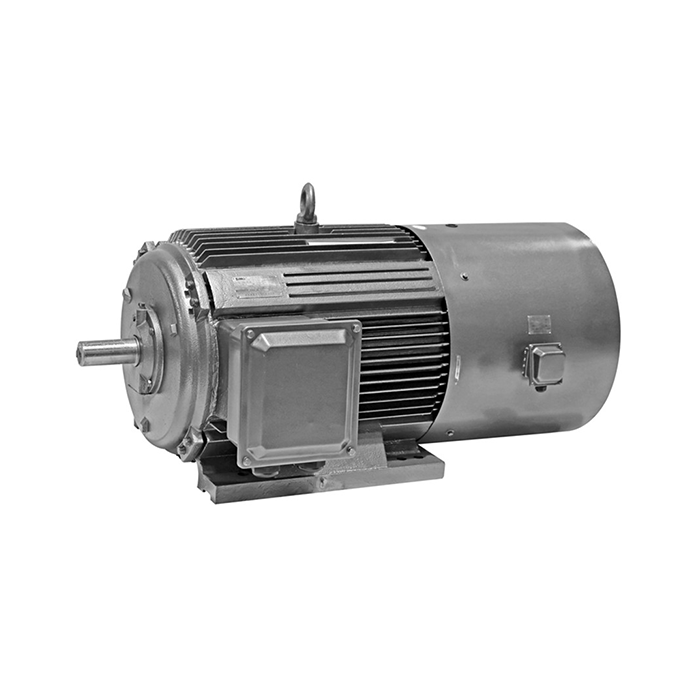
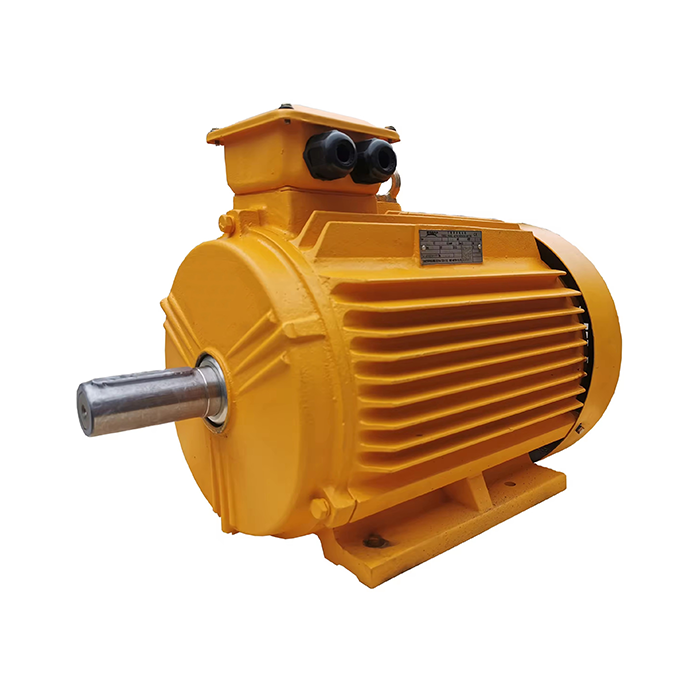
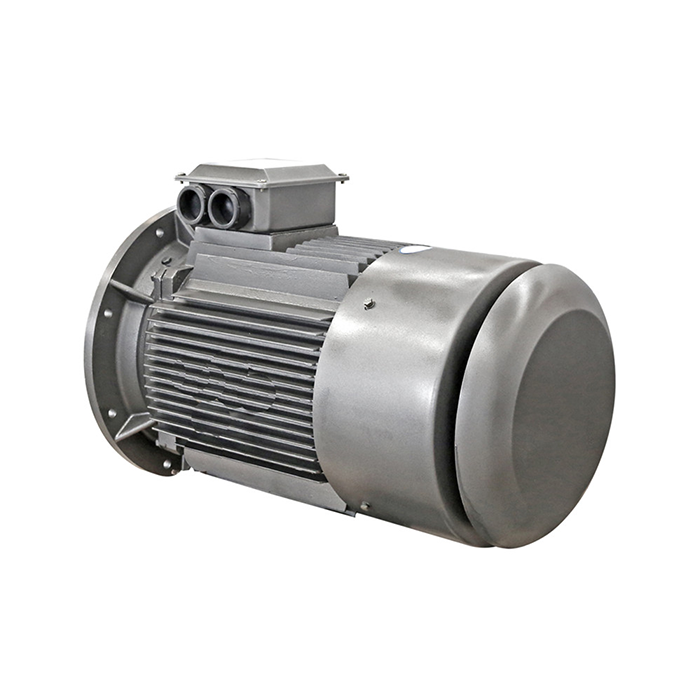
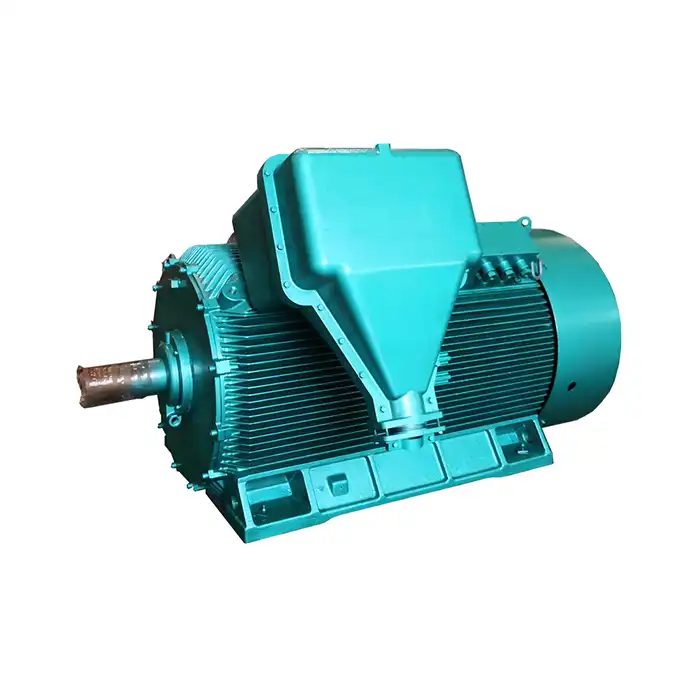
Series:YVFE4
Frequency conversion range:30hz~50hz,5hz~70hz,5hz~100hz
Power range:0.75-1000kW
Protection level:IP55
Application:are suitable for driving various mechanical equipment that require continuous and frequent forward and reverse rotation, such as steel rolling, lifting, transportation, machine tools, printing and dyeing, papermaking, chemicals, textiles, pharmaceuticals, etc., and can be used with various domestic and foreign variable frequency power supplies.
Advantage:high efficiency, wide speed range, high precision, stable operation, and easy operation and maintenance.
Certificate:installation dimensions comply with International Electrotechnical Commission (IEC) standards.
Others: SKF, NSK, FAG bearings can be replaced according to customer requirements.
The Foundation of Modern Motor Technology
The landscape of industrial motor technology has evolved dramatically over recent decades. Electric motors now serve as the backbone of countless industrial processes, driving everything from simple conveyor systems to complex automated manufacturing lines. IEC Low Voltage Motors represent the culmination of engineering advancements in motor design, incorporating sophisticated materials, precision manufacturing techniques, and intelligent control systems.
Variable voltages (220V to 690V) let these motors work in a variety of industrial settings. From 0.75kW to 1000kW, their power levels make them suitable for both small businesses and big industry sites. Three frequency conversion ranges—from 30Hz to 50Hz, 5Hz to 70Hz, and 5Hz to 100Hz—make it possible to precisely control speed for a wide range of working conditions.
The technology for motor insulation has come a long way. Class F insulation is now the norm, and Class H choices offer better heat protection. Protection level IP55 makes sure that the device works reliably in tough industrial settings by keeping dust and water out of its internal parts.
Energy Efficiency: A Game-Changer for Industrial Operations
Concerns about energy use are still very important for industry sites around the world. IEC Low Voltage Motors solve this problem with improved features that make the best use of energy while still meeting high performance standards. The IE4 efficiency class is the latest step forward in motor efficiency technology. Compared to traditional motor designs, it saves a lot of energy.
Variable frequency drive compatibility enables these motors to operate at optimal speeds for specific applications. This capability reduces energy waste associated with throttling valves or mechanical speed control methods. The wide speed range capabilities allow operators to match motor output precisely to load requirements, eliminating unnecessary energy consumption during low-demand periods.
Copper windings make the transmission better and lower the electrical losses. Laminations of high-grade electrical steel keep core losses to a minimum, which improves the total efficiency of the motor. Precisely adjusted blades make sure that the machine runs smoothly with little shaking, which lowers mechanical losses and increases the life of the bearings.
Modern low voltage motors have temperature control systems that keep them from burning and keep their performance stable. Protecting against damage and keeping operations going is what thermal overload prevention does. All of these features work together to lower energy costs and make operations more environmentally friendly.
Applications Across Diverse Industrial Sectors
Versatility in Manufacturing Applications
IEC Low Voltage Motors are used in manufacturing because they are reliable and can be used in a variety of situations. These motors are used for robotic systems, conveyor networks, and precise tools on auto assembly lines. For cutting and manufacturing tasks, the aircraft industry relies on their high level of accuracy. Their ability to run smoothly and precisely control speed is useful for making electronics.
Adaptability in Process Control
The flexibility of these electric motors is shown by their use in process control. Chemical processing plants need pump systems that can reliably give power and change speeds. Modern motor control systems have a wide frequency range that is good for compressor activities. Valve control devices use these motors' ability to precisely place parts.
Enhanced Efficiency in HVAC Systems
Low voltage motors are being used more and more in business and household HVAC systems to make them more efficient. Fans and blowers can use changeable speed operation, which lowers their energy use when they're only partially loaded. These motors are used to power compressors and circulation pumps in refrigeration systems.
Powering the Renewable Energy Sector
These motors are used for a variety of tasks in the green energy field. They are used to control the pitch of the blades and in extra systems for wind turbines. Solar tracking systems depend on how accurate and reliable they are. For cooling and extra power, these motors are built into energy storage devices.
Advanced Control and Automation Integration
Motor control needs to be very advanced for modern factory automation systems to work. IEC Low Voltage Motors work well in this setting because they work well with customizable logic computers and supervisory control systems. Motor control methods make it possible to precisely control speed, power, and placement.
Starting current management has improved significantly with modern motor designs. Soft-start capabilities reduce electrical stress on power systems while protecting mechanical components from sudden torque application. This feature proves particularly valuable in applications with high inertia loads or delicate mechanical systems.
Vibration analysis capabilities built into modern motor monitoring systems enable predictive maintenance strategies. These systems detect developing issues before they result in costly failures, maximizing uptime and reducing maintenance costs. Motor winding monitoring provides early warning of insulation degradation or electrical anomalies.
The integration of smart sensors and connectivity features transforms traditional motors into intelligent system components. Real-time performance monitoring enables operators to optimize system efficiency and identify improvement opportunities. Remote diagnostics capabilities reduce the need for on-site inspections while enabling proactive maintenance scheduling.
Reliability and Maintenance Advantages
Advanced Bearing Technology
Motor maintenance requirements have decreased substantially with advances in bearing technology and design optimization. High-quality bearings from leading manufacturers ensure extended service life even under demanding operating conditions. Bearing replacement capabilities allow for customization based on specific application requirements and preferences.
Electrical Safety Features
Electrical safety features protect both equipment and personnel. Ground fault protection and insulation monitoring systems prevent dangerous electrical conditions. Motor protection systems respond quickly to overload conditions, preventing damage while maintaining operational safety.
Robust Construction for Harsh Environments
The robust construction of modern IEC Low Voltage Motors enables operation in challenging environmental conditions. Temperature ranges from -20°C to +40°C accommodate most industrial environments without additional protection. Extended temperature options provide solutions for extreme applications.
Simplified Preventive Maintenance
Preventive maintenance schedules have simplified with improved motor designs. Longer intervals between maintenance activities reduce operational disruptions while maintaining reliability standards. Condition monitoring capabilities enable condition-based maintenance strategies rather than time-based schedules.
Performance Optimization in Real-World Applications
Steel Rolling Applications
Modern low voltage motors perform exceptionally in steel rolling, delivering precise torque control and rapid speed adjustments. They maintain consistent forward and reverse rotation, ensuring reliable operation, smooth material handling, and high productivity in demanding rolling mill environments.
Lifting and Transportation Systems
These motors deliver high starting torque and smooth operation, making them perfect for cranes and lifting systems. Their ability to provide precise positioning and maintain reliable performance under varying loads ensures optimal efficiency and safety in demanding lifting operations.
Machine Tool Applications
Synchronous motors offer exceptional speed regulation, ensuring accuracy in critical machining operations where precision is paramount. On the other hand, asynchronous motors provide reliable and durable performance for general machining tasks, making them ideal for a wide range of industrial applications.
Printing and Dyeing Operations
Motors are designed to maintain steady speed control even when load fluctuations occur, ensuring consistent product quality throughout production. Additionally, their chemical resistance features safeguard the motors from corrosive substances, making them highly reliable and durable in harsh processing environments.
Future-Ready Technology Solutions
Advancements in Smart Motor Technologies
The rise of Industry 4.0 has driven the development of advanced smart motors that seamlessly connect with manufacturing execution systems (MES) and enterprise resource planning (ERP) platforms. These motors enable real-time data collection, enhancing process monitoring, optimization, and predictive maintenance to boost overall operational efficiency and productivity.
Power Rating Flexibility and Modular Designs
Modern motors are designed with power rating flexibility and modular architectures, making it easy to upgrade or modify them as operational demands change. This adaptability ensures seamless integration with existing infrastructure, providing long-term value and scalability without the need for extensive system overhauls.
Continuous Improvement in Motor Efficiency
Ongoing advancements in materials, like the use of permanent magnets and high-performance magnetic materials, significantly enhance motor efficiency. These innovations reduce energy losses, improve power density, and optimize performance, resulting in motors that deliver higher efficiency and reliability, ultimately reducing operational costs and increasing longevity.
The Role of Artificial Intelligence and Machine Learning
The integration of AI and machine learning enables adaptive control algorithms that continuously optimize motor performance. By analyzing real-time data and historical patterns, these algorithms adjust motor operation to achieve peak efficiency, reduce energy consumption, and enhance system reliability, driving significant improvements in overall performance.
Conclusion
IEC Low Voltage Motors continue reshaping industrial operations through enhanced efficiency, sophisticated control capabilities, and exceptional reliability. Their widespread adoption across manufacturing, automation, energy, and transportation sectors demonstrates their transformative impact on modern industrial systems. The combination of energy savings, operational flexibility, and maintenance advantages positions these motors as essential components for competitive industrial operations. As technology continues advancing, these motors will play increasingly important roles in sustainable and efficient industrial processes.
Partner with XCMOTOR for Advanced Motor Solutions
XCMOTOR stands as a trusted IEC Low Voltage Motors manufacturer, delivering cutting-edge solutions tailored to your industrial automation needs. Our comprehensive product portfolio spans 0.75kW to 1000kW power ranges with IE4 efficiency ratings and IP55 protection standards. Connect with our engineering team at xcmotors@163.com to discuss your specific requirements and discover how our advanced motor technologies can optimize your operations.
References
1. Chen, L. (2023). "Advanced Motor Technologies in Industrial Automation Systems." International Journal of Electrical Engineering, 45(3), 234-251.
2. Thompson, R.K. & Martinez, S. (2022). "Energy Efficiency Improvements in Low Voltage Motor Applications." Industrial Power Systems Quarterly, 18(4), 112-128.
3. Patel, N. (2023). "IEC Standards and Global Motor Technology Harmonization." IEEE Transactions on Industrial Electronics, 70(8), 1456-1467.
4. Williams, J.D. (2022). "Variable Frequency Drive Integration with Modern Motor Systems." Automation Technology Review, 29(2), 78-95.
5. Anderson, K.M. & Lee, H. (2023). "Predictive Maintenance Strategies for Industrial Motor Systems." Maintenance Engineering International, 31(6), 203-219.
6. Gonzalez, P. (2022). "Sustainable Motor Technologies in Renewable Energy Applications." Clean Energy Systems Journal, 14(7), 345-362.