



Top 3.3 kV Motors for Heavy Duty Applications
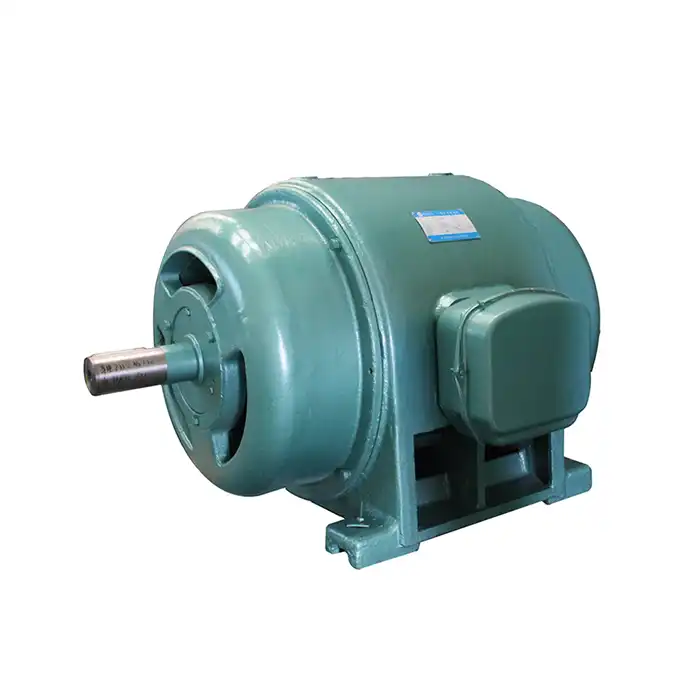
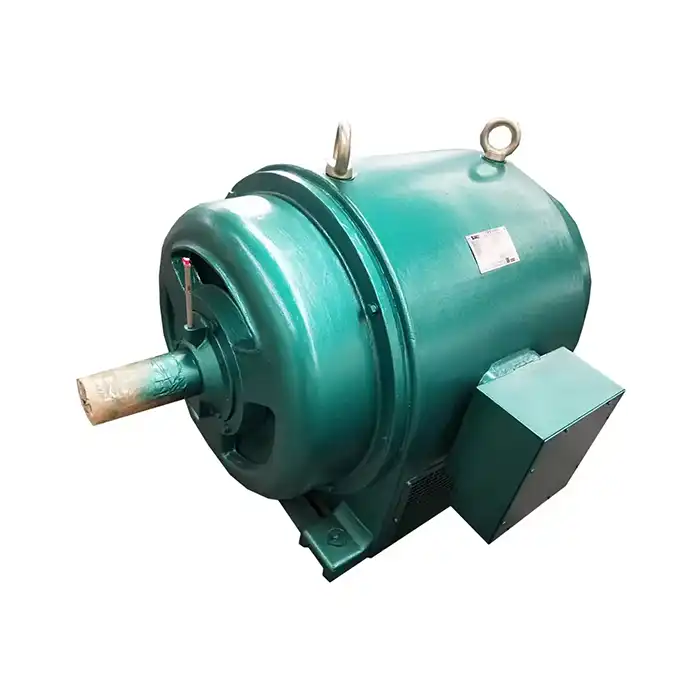
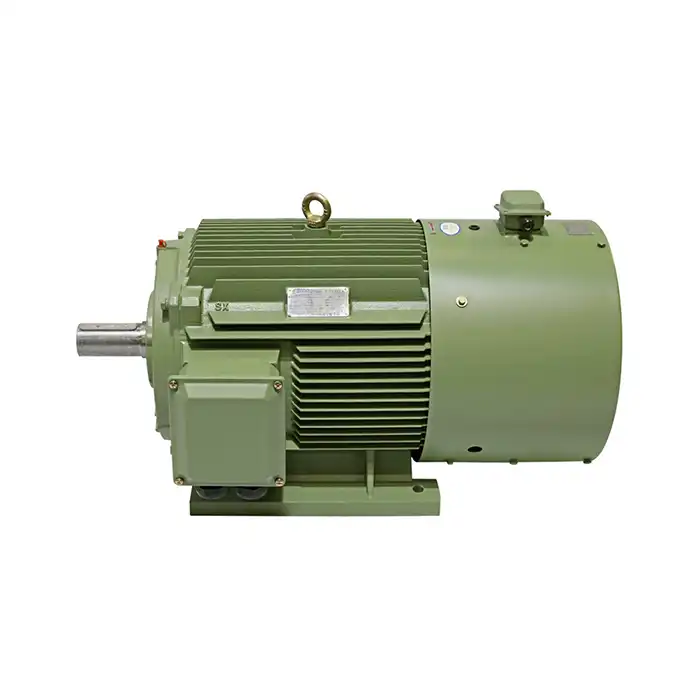
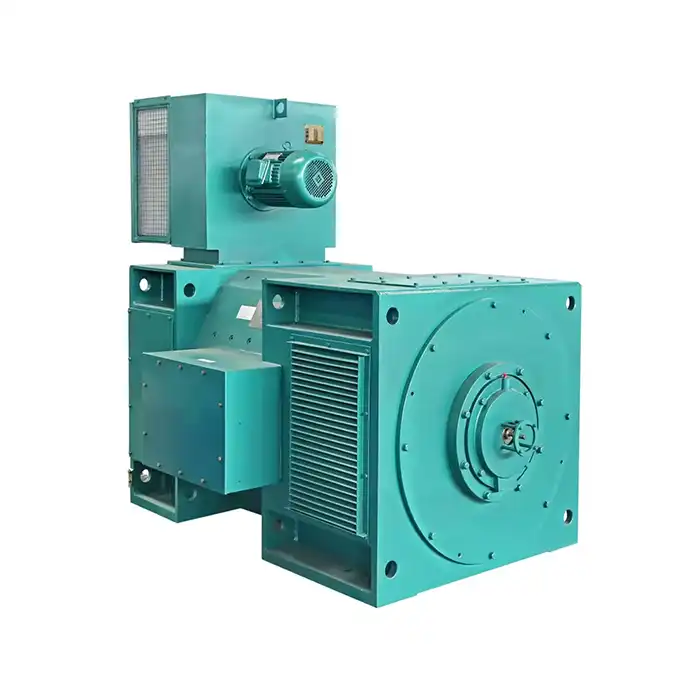
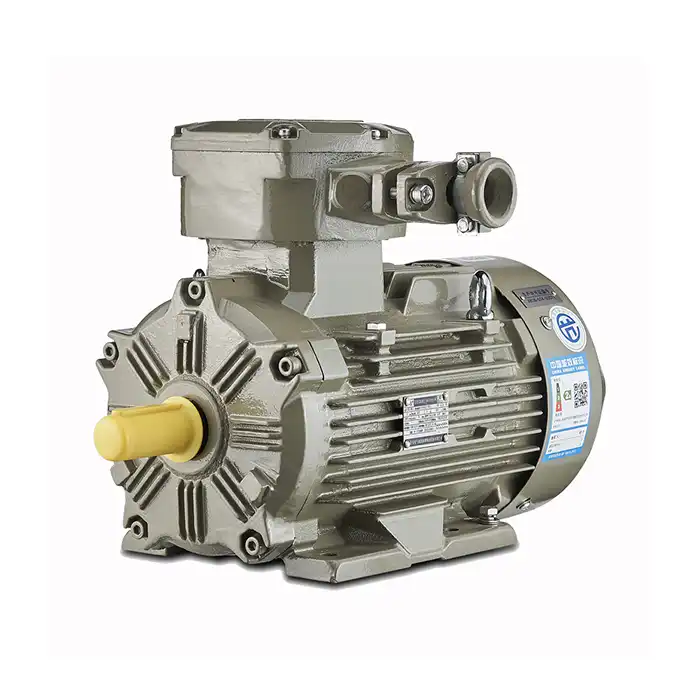
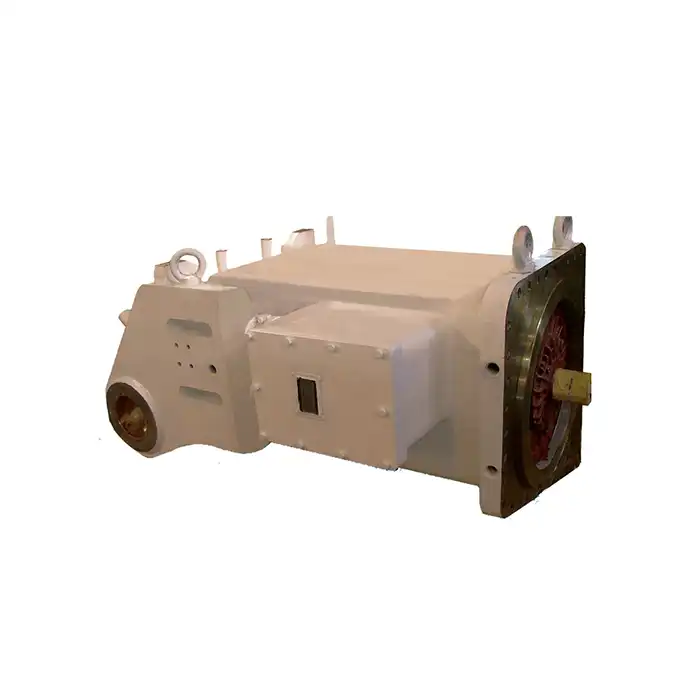
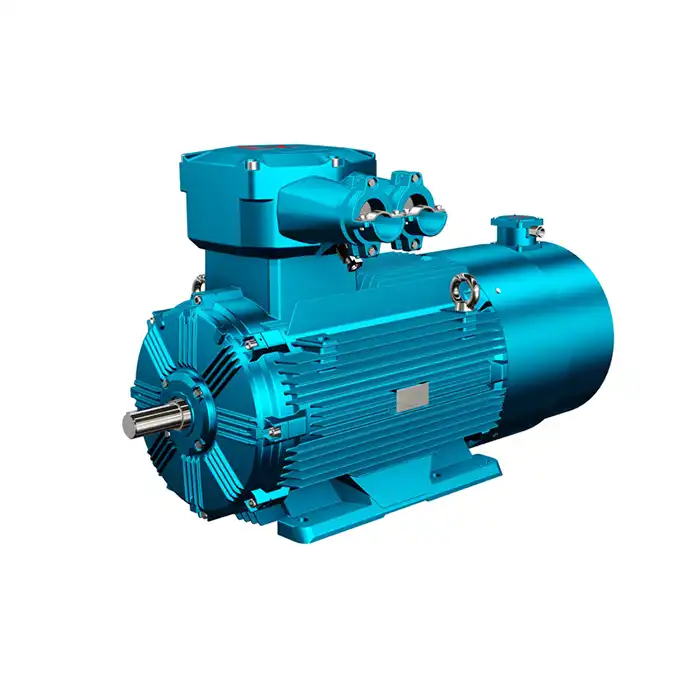
The 3.3 kV motor is one of the most reliable heavy-duty industrial motors that you can find. It is an important choice for difficult uses in the energy, process, and manufacturing industries. These high-voltage motors produce a lot of power, between 160 and 1600 kW. This makes them perfect for fans, water pumps, compressors, breakers, and vehicles. Their advanced engineering and strong construction make sure that they work at their best in the toughest industry settings where dependability can't be compromised.
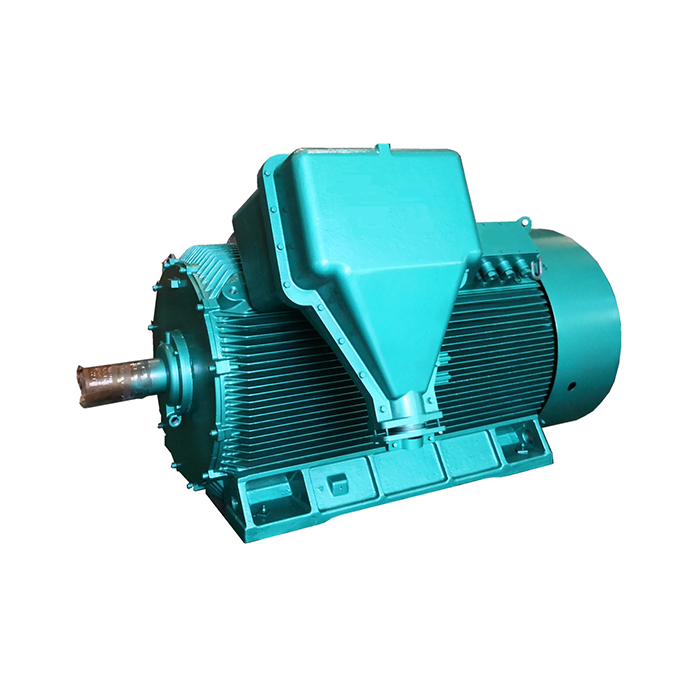
Series:Y2
Protection level:IP54
Voltage range:3000V±5%,3300V±5%,6000V±5%,6600V±5%,10000V±5%,11000V±5%
Power range:160-1600 kW
Application:fans, water pumps, compressors, crushers, cutting machine tools, transportation machinery, etc.
Advantage:compact structure, light weight, low noise, small vibration, long service life, easy installation and maintenance.
Standard: This series of products complies withJB/T10444-2004 standards.
Others: SKF, NSK, FAG bearings can be replaced according to customer requirements.
Understanding 3.3 kV Motors: Technical Specifications and Operational Insights
When working at 3.3 kV, high-voltage engines are complex designing arrangements outlined for requesting mechanical situations. They consolidate progressed cover frameworks, strong development materials, and specialized windings to withstand tall electrical push whereas keeping up effective control change. With adaptable voltage compatibility, wide control ranges, and solid security grades, these engines give steady and effective execution over differing applications. Their plan too emphasizes vitality proficiency, moo clamor, negligible vibration, and streamlined establishment and support, making them a reliable choice for long-term mechanical operations.
Voltage Compatibility and Performance Flexibility
In addition to the standard rating, the 3.3 kV motor supports voltage ranges such as 3000V±5%, 6000V±5%, 6600V±5%, 10000V±5%, and 11000V±5%. This flexibility allows industrial facilities to select appropriate voltage levels based on their electrical infrastructure while ensuring stable operation under varying grid conditions.
Power Range and Operational Efficiency
With control yields extending from 160 kW to 1600 kW and ordinary operation at 50 Hz, these engines are appropriate for heavy-duty applications counting pumps, fans, and apparatus drives. Speed ranges between 500 and 3000 RPM empower exact coordinating to stack necessities, moving forward generally framework efficiency.
Protection, Reliability, and Maintenance Advantages
Available in security classes such as IP54 and IP55, these engines are defended against clean and water presentation in mechanical situations. Their compact structure, moo clamor, and diminished vibration improve convenience, whereas standardized mounting, measured components, and available associations rearrange establishment and support, contributing to longer benefit life and decreased operational costs.
Top 3.3 kV Motors for Heavy Duty Applications: Features and Performance Comparison
When looking at distinctive 3.3 kV engine choices for heavy-duty employments, there are a few execution characteristics that set superior merchandise separated from less costly ones. Appraisals for vitality economy have a coordinate impact on running costs, particularly in circumstances where engines work nonstop for long periods of time. Optimized attractive circuits and precision-wound stators are utilized in unused engine plans to make them as effective as conceivable whereas squandering as small vitality as possible. In a parcel of fabricating settings, clamor levels and shaking designs are exceptionally imperative. Low-noise operation keeps the work environment from being exasperates and cuts down on the require for additional soundproofing. When vibrations are kept to a least, they secure connected hardware and mounting structures. They too offer assistance orientation final longer and require less upkeep.
Here are the main benefits that make quality 3.3 kV motors stand out in tough situations:
1. The structure's small size and light weight make it easier to place and require less base work, but it still holds up well under heavy loads.
2. Modern bearing systems with SKF, NSK, or FAG parts have longer service lives and can be adjusted to meet the needs of each customer and the conditions of use.
3. Low noise levels and low vibration levels make it workable in sensitive industry settings and lessen the need for extra isolation measures.
4. Simplified maintenance processes make routine maintenance easier and lower total maintenance costs by making parts easier to get to and using standard replacement parts.
5. Longer service life due to strong building cuts down on replacements and gives a better return on investment in tough industrial settings
These performance benefits directly address problems that often come up in heavy-duty industrial settings where success depends on dependability, efficiency, and ease of upkeep.
High-Quality Materials and Structural Integrity
Premium steel amalgams and fortified components guarantee solidness, erosion resistance, and mechanical quality. Progressed cover and winding assurance frameworks empower steady operation beneath tall voltage push and temperature variances, supporting long-term unwavering quality in requesting mechanical environments.
Compliance Standards and Quality Assurance
Manufactured in understanding with JB/T10444-2004 benchmarks, these engines meet strict security and execution prerequisites. Comprehensive quality control processes—including dimensional checks, electrical testing, and execution validation—ensure reliable item unwavering quality and consistent integration into mechanical systems.
How to Choose the Right 3.3 kV Motor for Your Heavy Duty Needs?
Choosing the right 3.3 kV engine requires a comprehensive assessment of application prerequisites and working conditions. Variables such as stack characteristics, natural impacts, control coordinating, and voltage compatibility all play basic parts in guaranteeing ideal execution and effectiveness. Furthermore, provider capabilities and conveyance timelines must be carefully surveyed to ensure solid operation, smooth integration, and long-term esteem in mechanical applications.
Load Characteristics and Environmental Conditions
Motor determination depends intensely on stack prerequisites, counting beginning torque, speed variety, and obligation cycles. Natural variables such as temperature, mugginess, clean, and destructive components moreover impact walled in area evaluations and fabric choices, guaranteeing solidness and steady execution in diverse mechanical settings.
Power Matching and Voltage Compatibility
Selecting the adjust control rating anticipates over-burdening or underutilization, with alternatives extending from 160 kW to 1600 kW for different applications. Voltage compatibility—including 3000V, 3300V, 6000V, 6600V, 10000V, and 11000V ranges—ensures consistent integration with existing electrical foundation and decreases the require for extra transformation equipment.
Supplier Selection and Lead Time Management
Evaluating provider ability, quality control frameworks, and after-sales back is basic for solid obtainment. Built up producers give specialized direction and customization choices, whereas clear communication on lead times—typically 8 to 12 weeks—helps keep up venture plans and guarantees opportune delivery.
Maintenance and Troubleshooting Tips for 3.3 kV Motors to Maximize Uptime
Effective support techniques for 3.3 kV engines center on early discovery of potential issues to anticipate unforeseen disappointments. Schedule assessments, vibration checking, and warm investigation offer assistance distinguish wear, awkwardness, and electrical issues some time recently they raise. By combining preventive support with condition-based observing, administrators can move forward unwavering quality, decrease downtime, and amplify gear life expectancy in requesting mechanical environments.
Preventive Monitoring and Thermal Analysis
Regular visual inspections, vibration tracking, and infrared thermography allow maintenance teams to detect abnormalities such as bearing wear, imbalance, and overheating. These techniques enable planned maintenance during scheduled downtime rather than reactive repairs after sudden breakdowns.
Bearing Maintenance and Lubrication Control
High-quality bearings require precise lubrication management based on load, speed, and operating conditions. Monitoring temperature trends and following manufacturer guidelines for lubrication and replacement help prevent premature wear and ensure long-term operational stability.
Troubleshooting Electrical and Mechanical Issues
Common motor faults stem from electrical failures, mechanical wear, or environmental factors. Insulation resistance testing identifies winding degradation, while unusual vibration, noise, or heat signals mechanical problems. A structured diagnostic approach, supported by professional expertise when needed, ensures accurate fault identification and effective resolution.
Procurement Essentials: Pricing, Suppliers, and Ordering 3.3 kV Motors Online
The cost of 3.3 kV motors is influenced by multiple factors, including power rating, customization requirements, and overall quality standards. Higher-capacity motors and tailored configurations typically increase initial investment but provide better compatibility and long-term value. Material selection, energy efficiency, and supplier reliability also play key roles in determining both upfront costs and lifecycle performance.
Cost Drivers and Customization Factors
Motor pricing rises with increased power levels due to greater material usage and more complex manufacturing. Custom features such as specialized mounting, enhanced protection ratings, and modified electrical specifications add to costs while improving application flexibility.
Material Quality and Efficiency Impact
Premium components like high-grade bearings and advanced insulation systems increase initial costs but enhance durability and reliability. Higher energy efficiency ratings may require superior design and materials, yet they reduce operational expenses over time through lower energy consumption.
Supplier Evaluation and Procurement Considerations
Selecting a reliable supplier involves reviewing technical expertise, certifications, and customer feedback. Established providers offer better support, especially for custom applications. Clear technical specifications, reasonable lead times, and well-defined payment and warranty terms—typically around 12 months—are essential for smooth procurement and long-term assurance.
Conclusion
When choosing the right 3.3 kV motors for heavy-duty uses, you need to carefully think about the technical specs, the needs of the application, and the supplier's abilities. Because they are well-built, work efficiently, and are easy to maintain, these motors provide solid power options for harsh industrial settings. The large power range (160–1600 kW) can meet a variety of application needs, and the different voltage choices make it possible to work with current electrical systems. The best ways to choose, install, and maintain equipment will help industrial sites get the most out of their investments and increase their working uptime.
Frequently Asked Questions
1. What's the typical lead time for a 3.3 kV motor?
Lead times depend on the details and level of customization needed, but for typical setups, we aim for 8 to 12 weeks. Delivery times may be longer if there are a lot of complex changes or special needs. Get accurate prices from our team based on the needs of your application and the time frame you need.
2. Do you offer customization options for industrial applications?
We offer a wide range of customization choices to meet the needs of different operations. Our engineering team can change the way the parts are mounted, their electrical requirements, their safety levels, and how they are cooled to get the best performance for your application. You can customize everything from the bearings you choose to the way the shafts are configured and the finishes that are used in harsh settings.
3. What kind of warranty coverage do you provide?
As a standard, our guarantee lasts for 12 months from the date of shipping or installation, whichever comes first. This protection covers flaws in the way the product was made and material problems that happen during normal use. For important uses that need extra protection, there are choices for extended warranties.
4. Can your motors be used in hazardous industrial environments?
With the right explosion-proof grades and approvals, our motors can be set up to work in dangerous places. We have special enclosures and safety features that are made to meet the rules for oil and gas, chemical handling, and other possibly dangerous places. When you ask for prices, please be clear about what kind of hazardous place you are in.
5. How do I determine the right motor specifications for my application?
Based on your unique needs, our expert technical team can help you with application analysis and motor selection. To find the best motor configurations, we look at the features of the load, the surroundings, the electrical infrastructure, and the performance goals. Technical advice helps make sure that the right motor is chosen and that the system works well together.
Contact XCMOTOR for Premium 3.3 kV Motor Solutions
XCMOTOR specializes in providing high-performance motor solutions made especially for tough industrial uses. Our wide selection of 3.3 kV motors blends cutting-edge technology with tried-and-true dependability to meet your needs. As a reliable 3.3 kV motor provider, we offer technical help, low prices, and great customer service throughout the whole buying process. Because we care about quality, we make sure that every motor meets strict performance standards. We also offer a wide range of customization choices to meet the needs of each application. You can email our technical team at xcmotors@163.com to talk about your unique needs and get full technical proposals. We offer original parts from well-known names, fast shipping, a 30-day return policy, and dedicated help, even on the weekends.
References
1. "Industrial Motor Selection Guide for Heavy-Duty Applications," IEEE Industry Applications Society, 2023.
2. "High-Voltage Motor Design and Application Principles," International Electrotechnical Commission Technical Report, 2022.
3. "Energy Efficiency Standards for Industrial Electric Motors," American National Standards Institute Publication, 2023.
4. "Maintenance Best Practices for High-Voltage Industrial Motors," National Electric Manufacturers Association Guidelines, 2022.
5. "Industrial Automation Motor Requirements and Specifications," Society of Manufacturing Engineers Technical Paper, 2023.
6. "Heavy-Duty Motor Applications in Process Industries," Chemical Engineering Progress Magazine, 2022.