



OEM vs Aftermarket: 2500 kW Motor Choices Explained
When buying a 2500 kw motor, the choice between OEM (Original Equipment Manufacturer) and aftermarket solutions has a big effect on both the prices and the reliability of the motor in the long run. OEM motors are guaranteed to work well and have been through strict testing procedures. Aftermarket motors, on the other hand, are cheaper options with different quality standards. When procurement workers know about these differences, they can choose motors that meet the needs of a specific application, voltage needs, and repair needs. This in-depth guide looks at technical specs, source dependability, total ownership costs, and real-life performance scenarios to help you make buying choices that will keep your business running smoothly.
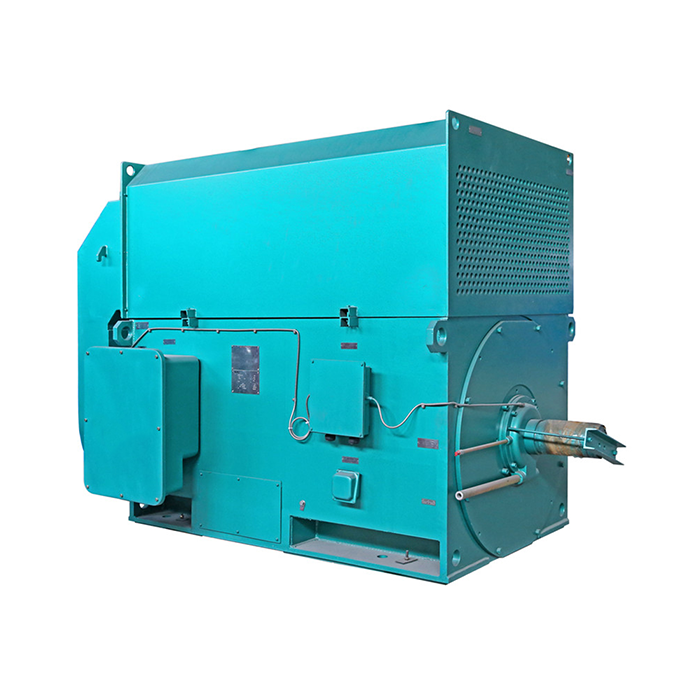
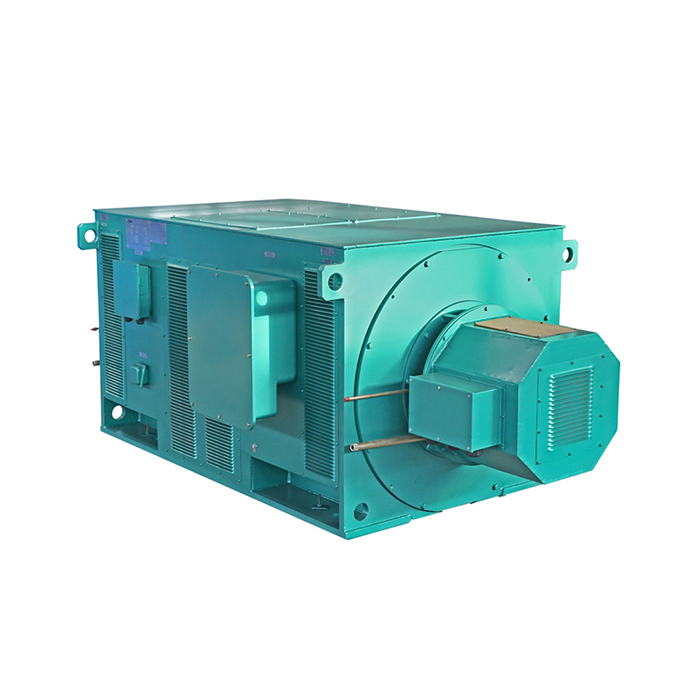
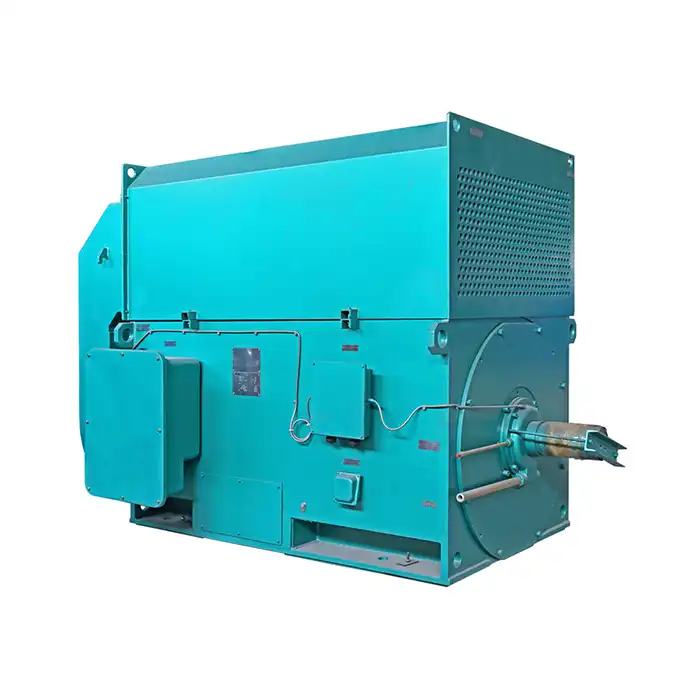
Series:YKK
Protection level:IP54
Voltage range:3000V±5%,3300V±5%,6000V±5%,6600V±5%,10000V±5%,11000V±5%
Power range:200-6300 kW
Application:fans, water pumps, compressors, crushers, cutting machine tools, transportation machinery, etc.
Advantage:low noise, low vibration, long service life, easy installation and maintenance.
Standard: This series of products complies with JB/T 12730 and JB/T 12729 standards.
Others: SKF, NSK, FAG bearings can be replaced according to customer requirements.
Understanding the Basics of 2500 kW Motors
Industrial motors with a lot of power are essential to many important processes in factories, power plants, and big HVAC systems. Understanding basic technical factors helps procurement teams figure out if certain units meet practical needs.
Power Ratings and Voltage Classes
The 2500 kW motor operates within 200–6300 kW power range, serving diverse industrial applications from heavy compressors to water pumps. Voltage options include 3000V±5%, 3300V±5%, 6000V±5%, 6600V±5%, 10000V±5%, and 11000V±5% for regional grid compatibility. Proper voltage selection prevents electrical stress and maintains system stability. Motors meeting JB/T 12730 and JB/T 12729 standards demonstrate recognized quality, reducing procurement risk. IP54 protection suits most industrial settings not requiring full submersion.
Motor Types and Cooling Methods
Induction motors dominate industrial applications due to rugged construction and minimal maintenance. Synchronous motors excel when precise speed control is required for a 2500 kW motor. IC611 cooling method balances efficiency and serviceability; proper thermal management significantly extends system life. Air-cooled designs require adequate airflow clearance; water-cooled systems excel at heat rejection in confined spaces. Cast iron construction provides structural rigidity and heat transfer capability. Modern rotor designs ensure smooth, vibration-free operation under heavy loads, extending bearing life.
Maintenance Considerations
Regular maintenance directly affects 2500 kW motor longevity and reliability. Service-friendly designs with accessible winding connections and bearing housings reduce downtime for routine checks. Premium SKF, NSK, or FAG bearings can be specified based on customer preference, balancing initial cost against maintenance frequency. Low noise and vibration characteristics simplify monitoring as deviations from baseline performance become immediately apparent. Insulation resistance testing, lubrication schedules, and thermal imaging scans detect developing problems before catastrophic failure occurs for 2500 kW motor.
OEM vs Aftermarket 2500 kW Motors: What's the Difference?
To tell the difference between OEM and aftermarket 2500 kw motors, you need to look at more than just the initial buy price. There are pros and cons to each buying path that could affect the dependability of operations.
Performance Consistency and Quality Assurance
OEM 2500 kW motors undergo extensive testing throughout manufacturing. Precision casting ensures dimensional accuracy; optimized winding methods reduce energy losses. Vacuum pressure impregnation provides superior insulation protection. Dynamic balancing techniques ensure smooth, low-vibration operation extending mechanical component life. Full-load testing validates performance across operating ranges. Aftermarket 2500 kW motor quality varies with manufacturer capabilities. Reliable aftermarket suppliers employ comparable testing protocols. Procurement teams should review third-party test results and request evidence of relevant standard compliance.
Warranty Coverage and Supplier Support
OEM 2500 kW motor warranties typically cover more issues with longer duration, reflecting manufacturing quality confidence. Technical support teams assist with installation, troubleshooting, and efficiency optimization recommendations. Spare parts availability remains consistent throughout the motor's expected service life. Aftermarket 2500 kW motor warranties vary significantly; some suppliers match OEM terms while others offer limited coverage. Technical question response times and parts delivery may exceed OEM channels, potentially increasing unplanned downtime. Supplier track record verification with industry peers mitigates these risks.
Price and Availability Considerations
OEM 2500 kW motor pricing reflects engineering resources, certified test processes, and established supply chains. Lead times typically range weeks to months for standard configurations depending on production scheduling. Custom specifications including specific voltage values or unique cooling arrangements extend delivery further. Aftermarket 2500 kW motor options offer 15–40% cost savings depending on specifications and supplier capabilities. Shorter lead times appeal to budget-constrained projects or emergency replacements. However, inferior materials or inadequate testing causing premature failures negate initial savings through increased maintenance and lost production.
Making the Right Choice: Criteria for Selecting 2500 kW Motors
It's not enough to just compare specification sheets when choosing a 2500 kw motor; successful buying matches technical capabilities with application facts and organizational goals.
Evaluating Efficiency Under Operating Conditions
Ratings of motor efficiency that are made in a controlled lab setting don't always match how well the motor works in real life. In the real world, things like changes in voltage, changes in atmospheric temperature, and patterns of load switching affect how much energy is actually used. Different types of operating pressures are put on motors that are used in fans, water pumps, compressors, crushers, cutting machines, and transportation equipment. To get correct energy cost estimates, you should look at efficiency across the predicted load profile instead of just using nameplate rates. When demand changes during production cycles, units that stay highly efficient while running at half load can save a lot of money.
Customization Based on Installation Environments
Environmental factors have a big effect on how well and how long a motor lasts. Installations near the coast need more corrosion protection than the normal IP54 grade, and places at high elevations need changes to the power and cooling. When ambient temperatures are higher than normal design limits, insulation classes need to be raised or cooling needs to be improved. Voltage range variety accounts for changes in power infrastructure across regions; motors that accept inputs from 3300V to 11000V make it easier to standardize facilities across multiple countries. Mounting arrangements, shaft angles, and connection box locations should all match up with existing infrastructure to keep installation changes and costs to a minimum.
Total Cost of Ownership Analysis
The purchase price is only one part of the motor's total costs. Estimates of how much energy will be used, regular repair needs, estimated failure rates, and downtime costs are all part of figuring out the total cost of ownership. When compared to cheap options that need to be replaced every 10 to 12 years, high-quality motors with 20 to 25 year service lives are worth the extra cost. Over the life of an asset, energy costs are much higher than the original capital investment. In continuous-duty uses, a 2% increase in efficiency saves a lot of money. Maintenance access affects the number of hours technicians have to work and the number of parts they need to keep on hand, which has an effect on ongoing operating spending. To find truly cost-effective solutions, procurement teams should model these factors over the expected service times.
Case Studies and Real-World Applications
Looking at real-life deployment situations shows how decisions about buying affect operations in many different types of businesses.
Successful OEM Motor Deployments
A power plant in the region replaced old motors with approved OEM units that had more advanced rotor designs and perfectly balanced parts. After three years, the installation showed that it had real effects. By making changes to efficiency, yearly energy use dropped by 3.2%. This saved a lot of money and helped with sustainability efforts. Vibration reductions pushed the time between bearing replacements from 18 months to 36 months, which cut down on repair costs and downtime. Better control of temperature meant that higher steady loads could be used during times of high demand without causing protective shutdowns. Comprehensive insurance coverage made costs predictable and kept practical budgets from having to pay for repairs that came up out of the blue.
A mining company used OEM motors in all of its breaking and moving systems because they were more reliable than low cost at first. Coordinated help from suppliers made it easier to handle extra parts and train technicians. It was possible to make accurate production schedules because the performance features were predictable. This improved the total equipment efficiency measures. It was proven through the rollout that high-end OEM solutions really do add value to mission-critical applications where unplanned downtime costs a lot of money.
Aftermarket Motor Performance Scenarios
A water treatment plant that was tight on money chose secondhand motors for backup pump systems that were used for less important tasks. Compared to OEM options, the buying approach saved 28% on costs, which freed up money for infrastructure improvements. Performance was good enough for the job; it worked well enough and was reliable enough to meet daily needs. Long wait times for new parts during an unexpected bearing failure, on the other hand, showed where the supply chain was weak. The experience showed that aftermarket solutions can work in certain carefully chosen situations where the need for speedy operations allows for slightly higher risk levels.
A factory tried out modified motors for material handling equipment that only had to do light work. The initial cost savings were lost when premature winding failures meant that replacements had to be done without warning within 18 months. The event brought to light the quality variation risks that come with some alternative goods. After more research, it was found that the insulation tests and impregnation methods were not up to par. Before agreeing to large-scale repair deployments, the lesson made it clear how important it is to carefully qualify suppliers and check their performance.
Procurement Best Practices for 2500 kW Motors
Using structured buying methods cuts down on financial risks and gets the most out of relationships with suppliers.
Partnering with Qualified Suppliers
To buy 2500 kw motors successfully, you must first find suppliers who can show they have the technical knowledge, dedication to quality, and effective service skills. Use these important criteria to judge possible partners:
Asking for specific documentation on the manufacturing process shows strict quality control. For example, precision casting methods, advanced winding techniques, and thorough testing routines show a dedication to making great products. Suppliers who offer open workplace checks and third-party certifications show that they are sure of their standards. Technical support skills are very important—responsive engineering teams help with making suggestions based on the application, giving installation instructions, and fixing problems with speed. Established transportation networks make sure that delivery times are reliable and that supply chain problems are kept to a minimum. Warranty terms and service clauses after the sale protect purchase investments against problems that were not expected.
Building ties with providers who know how to solve problems that are unique to your business adds value that goes beyond simple transactions. Partners who know about the needs for power generation, industrial automation, or integrating HVAC systems can give valuable ideas that improve the results of projects.
Streamlining the Purchasing Process
Cycle times are cut down and specification mistakes are avoided with efficient buying processes. Starting with a full application analysis makes sure that the motors meet the practical needs. Keeping track of the load profiles, duty cycles, weather conditions, and performance standards stops mistakes that cost a lot of money. When the specifications are finalized, they should include checks for power compatibility, mounting setup, and coordination of any extra equipment. To make true comparisons, you should ask for detailed quotes that include shipping times, warranty coverage, and expert support terms.
Placing an order requires clear information about what needs to be inspected, how to do acceptance testing, and how to arrange shipping. Setting up milestone tracking makes sure that you can see what's going on during the making and shipping stages. Planning for installation and delivery at the same time reduces the amount of time that equipment needs to be stored and speeds up the setup process. Keeping test results, warranty certificates, and maintenance instructions safe is part of document management, which helps with future service activities and processing warranty claims.
Leveraging Bulk Purchasing Advantages
Coordinated buying strategies are very helpful for facilities that use a lot of similar motors. By agreeing to buy a lot of something, you can get better prices. This is because negotiated rates reward uniformity and lower the cost per unit. By reducing the types of parts that can be bought and allowing them to be used in different setups, consolidated purchases make inventory management easier. Standardized service agreements and guarantee terms make administration easier and make sure that the level of help is always the same. When you place a lot of orders with the same supplier, you often get special treatment when capacity is limited or the supply chain is interrupted.
Conclusion
When deciding between OEM and aftermarket 2500 kw motor options, you need to carefully think about how important the application is, how much you can spend, and how much risk you are willing to take. OEM motors come with proven performance, full warranties, and established supply support that are backed up by thorough testing and quality assurance. When it comes to less important uses where a slightly higher risk profile is still okay, aftermarket options can save you money. A good buying process combines technical details like voltage ranges, protection grades, and cooling methods with estimates of the total cost of ownership that take into account things like energy use, upkeep needs, and the expected service life. Partnering with qualified providers who can show they are good at both making and providing quick support saves procurement investments and enables operating excellence in applications like process control, energy generation, and industrial automation.
FAQ
1. What factors determine whether OEM or aftermarket motors suit specific applications?
This choice is based on how important the application is—mission-critical systems that can't have any unplanned downtime should be reliable from the manufacturer, while secondary processes that can handle a little more risk may be able to save money by buying parts secondhand. Environmental severity, job cycle intensity, and the availability of repair tools are some of the other things that affect the choice of 2500 kw motor.
2. What risks accompany aftermarket motor purchases?
The main worry is quality variation, which can be caused by uneven manufacturing standards, bad testing methods, and sometimes low-quality materials used in aftermarket goods. These risks are made worse by limited guarantee coverage and longer wait times for parts availability. Thorough source qualification and performance testing make these problems a lot less of a problem.
3. What lead times should buyers expect for OEM motor deliveries?
Standard design OEM motors usually take 8 to 16 weeks to deliver from the time an order is placed, based on when the maker makes the motors and how many parts are available. Custom specs that include specific voltage ratings, mounting setups, or bearing choices make lead times 12 to 20 weeks longer. Talking about scheduling needs early on in the procurement process helps make sure that delivery times are in line with important project goals.
Partner with XCMOTOR for Reliable 2500 kW Motor Solutions
For demanding industry uses in the manufacturing, energy generation, and process control sectors, XCMOTOR offers a wide range of power equipment options. Our knowledge as a 2500 kw motor provider means that you will get perfectly matched units that meet voltage needs from 3000V to 11000V and have a protection class of IP54, making them ideal for harsh working conditions. We only buy parts that meet the standards set by JB/T 12730 and JB/T 12729. This ensures that they meet well-known quality standards. Each motor goes through strict testing procedures, such as precision casting, advanced winding methods, vacuum pressure impregnation, and dynamic balance, to make sure it works reliably for a long time.
In addition to delivering products, we also offer specialized expert support to help with application analysis, installation, and performance optimization. Our 30-day return policy gives buyers peace of mind, and fast shipping keeps your projects on plan. When normal business hours don't work for practical needs, weekend help takes care of important technical questions. To talk about your needs, please email our team at xcmotors@163.com. Get your detailed quote today and find out how premium motor options improve operating efficiency while keeping total costs of ownership low.
References
1. Chapman, S. J. (2019). Electric Machinery Fundamentals (6th ed.). McGraw-Hill Education.
2. Fitzgerald, A. E., Kingsley, C., & Umans, S. D. (2018). Electric Machinery (7th ed.). McGraw-Hill Education.
3. Toliyat, H. A., & Kliman, G. B. (2017). Handbook of Electric Motors (2nd ed.). CRC Press.
4. Boldea, I., & Nasar, S. A. (2016). The Induction Machines Design Handbook (3rd ed.). CRC Press.
5. Hughes, A., & Drury, B. (2019). Electric Motors and Drives: Fundamentals, Types and Applications (5th ed.). Newnes.
6. Stone, G. C., Culbert, I., Boulter, E. A., & Dhirani, H. (2018). Electrical Insulation for Rotating Machines: Design, Evaluation, Aging, Testing, and Repair (2nd ed.). IEEE Press.