



Medium Voltage Induction Motor Tech for Water Treatment Facilities
Water treatment plants are very important for making sure that people get safe, clean water. Medium voltage induction motors, which power pumps, fans, and other important tools, are at the center of these activities. The science behind these motors and how they are used in water treatment are talked about in this piece. This information helps engineers and building managers make good choices about which motors to use.
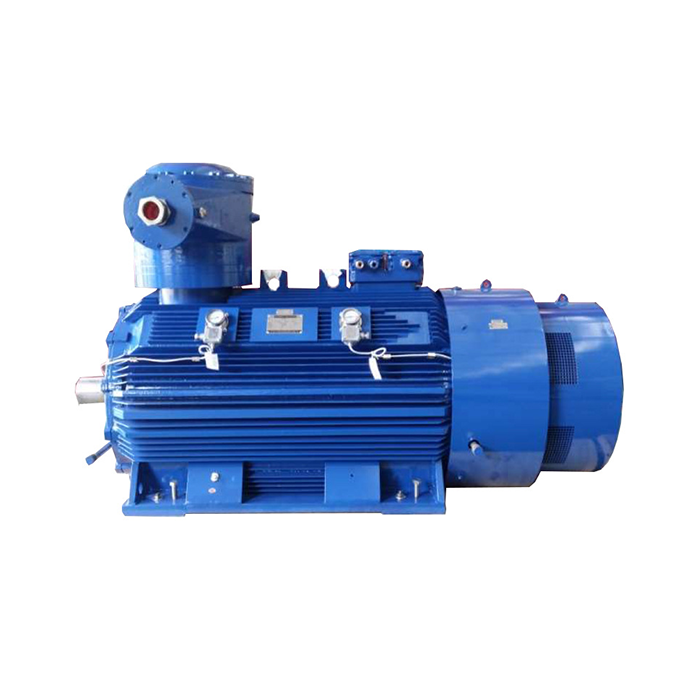
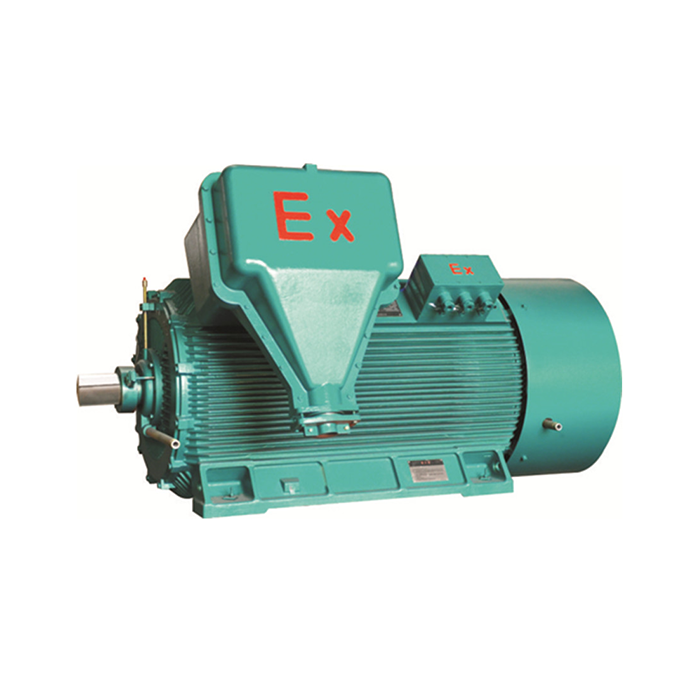
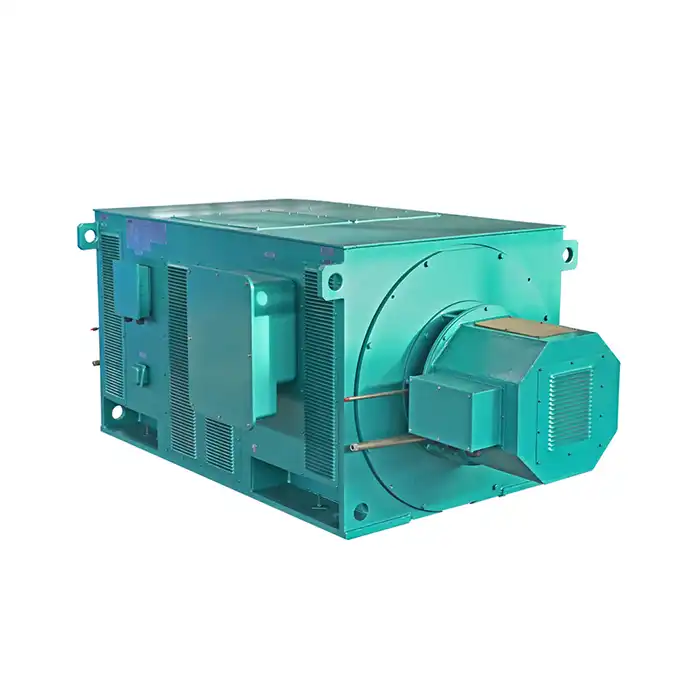
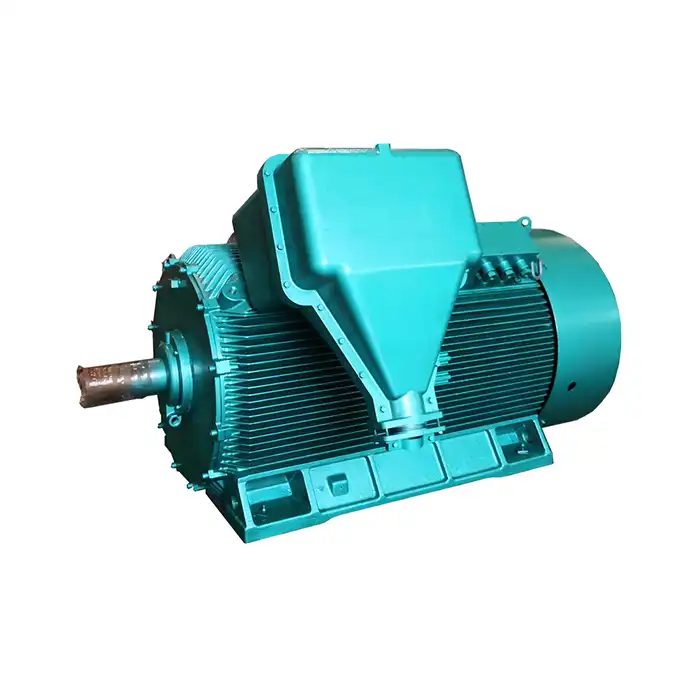
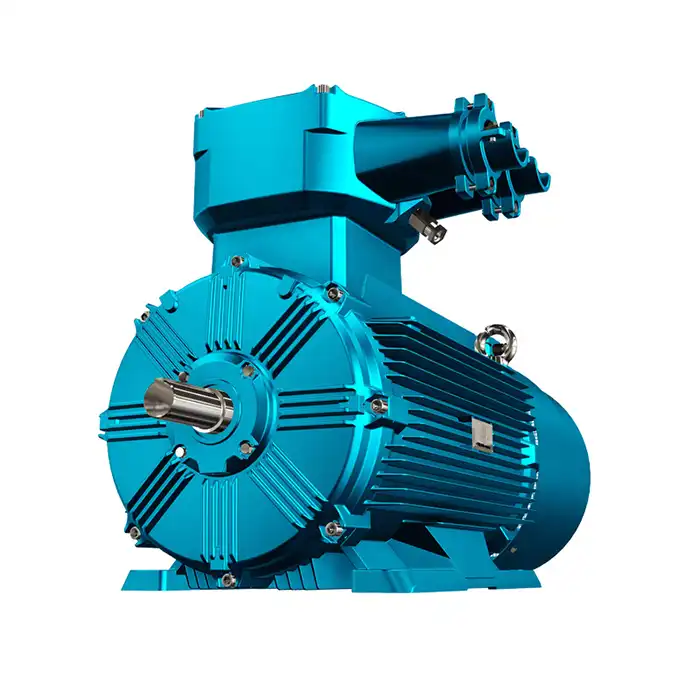
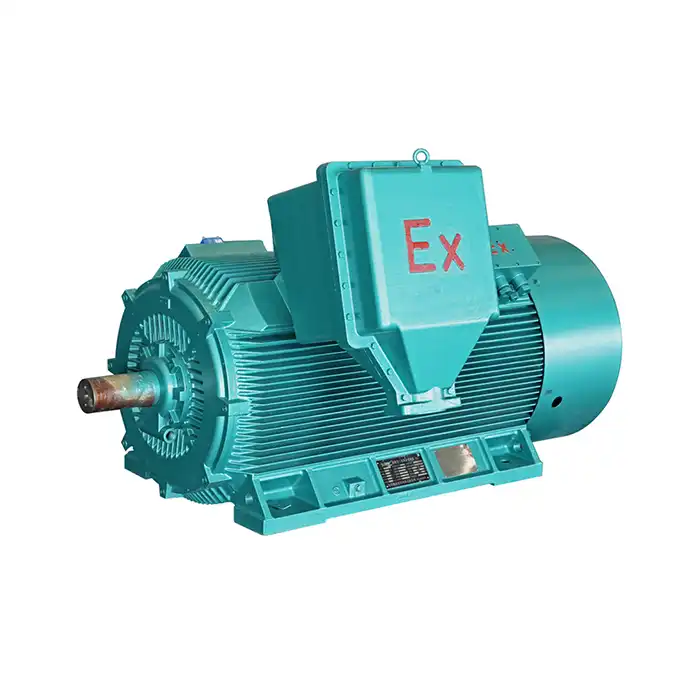
Series:YBBP-HV
Voltage range:3000V±5%,3300V±5%,6000V±5%,6600V±5%,10000V±5%,11000V±5%
Power range:185-1800 kW
Application:compressors, water pumps, crushers, cutting machine tools, transportation machinery.
Advantage: wide modulation range, high efficiency and energy saving, low noise, long life, high reliability.
Others: SKF, NSK, FAG bearings can be replaced according to customer requirements.
Evaluating the One-of-a-Kind Working Setting of Water Treatment Plants
Electrical equipment, including medium voltage induction motors, finds water treatment plants to be difficult. Understanding these facts is very important for picking the right motor technology.
Issues with Moisture and Humidity
Because there is always water and high humidity in cleaning plants, they are toxic. If this climate is not properly controlled, it can cause motor parts to break down early. Medium-voltage induction motors made for water treatment must use special materials and coats to protect them from these circumstances.
Things to Think About When Exposed to Chemicals
A lot of different chemicals are used in water treatment to clean and sanitize it. Everyday materials used in motors can be damaged by these chemicals. To make sure motors used in water treatment plants last a long time and work well, they need to be made with materials that aren't damaged by chemicals.
Operational and Efficiency Needs
Water treatment plants run all the time, and the load needs can change at different times of the day. In these buildings, motors need to be able to handle power needs that change and start and stop often. Also, energy economy is a big issue because treating water uses a lot of energy. Over time, using high-efficiency medium voltage induction motors can greatly lower the cost of running a business.
Technology Features That Are Very Important for Water Treatment Motors
For medium voltage induction motors used in water treatment plants, a number of important technical traits are necessary. In the tough setting of water treatment plants, these features make sure that the system works well, saves energy, and lasts a long time.
High-Tech Insulation Systems
These days, medium-voltage motors use high-tech protection to keep wetness and electrical stress away. A lot of the time, these systems use vacuum pressure impregnation (VPI) technology, which fills gaps in the insulation with glue to make a solid insulation system without any gaps. This technology makes the motor much more resistant to wetness and chemicals, which makes it last longer in water treatment settings.
Materials and coatings that don't rust
Medium voltage induction motors for water treatment uses frequently use corrosion-resistant materials like stainless steel for their outward parts to withstand the damaging effects of damp and chemicals. As an extra precaution against rust, specific protective coats are also put on the inside and outside sides of the object.
Cooling Systems That Work Well
Good cooling is important for keeping motors efficient and extending their lifespans. This is especially true in water treatment plants where the climate is wet. Better cooling is done by advanced systems like totally enclosed water-to-air cooled (TEWAC) designs. These also keep the motor's inside safe from water and other things that can get dirty.
Variable Frequency Drive: Can It Work With
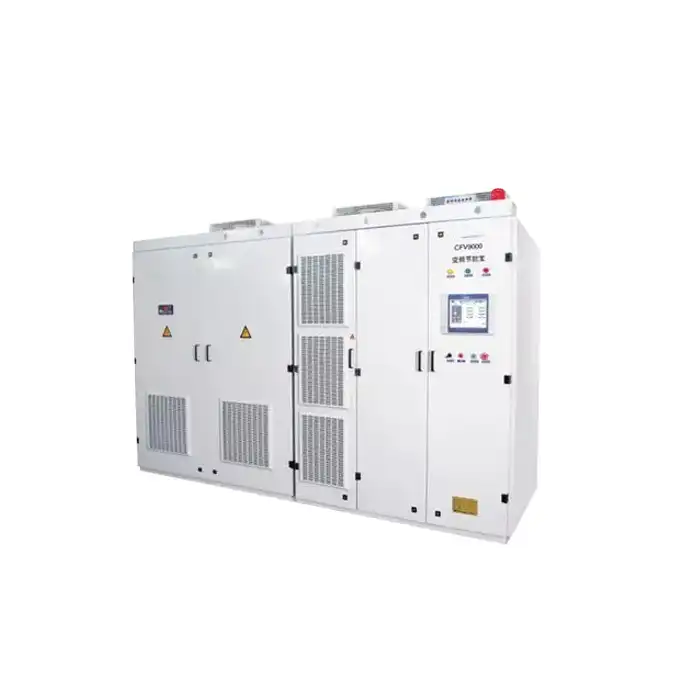
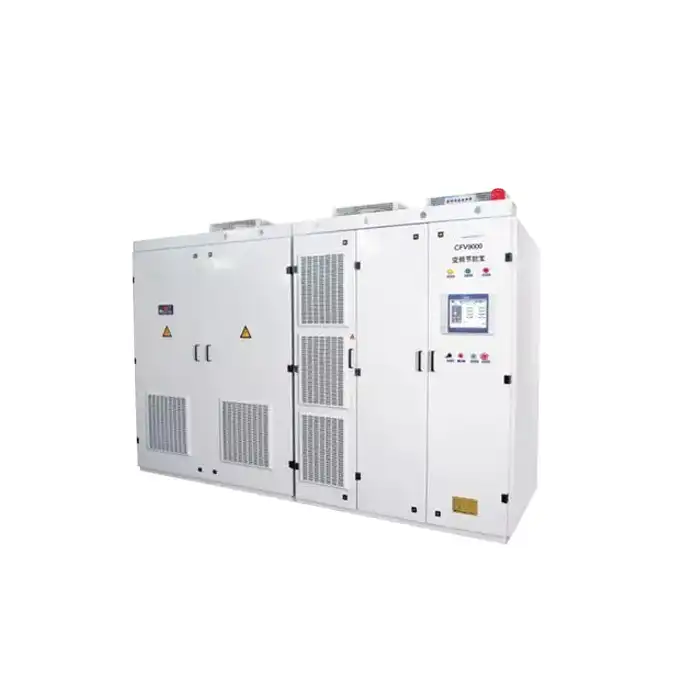
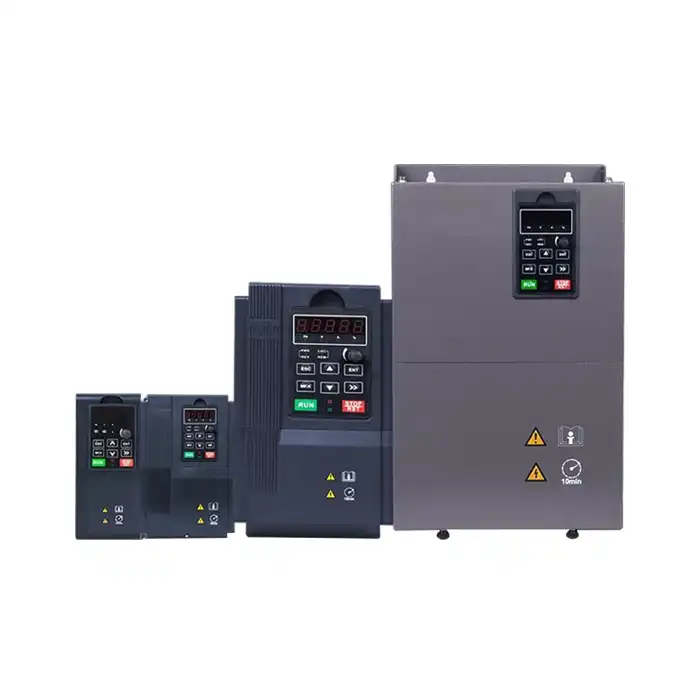
A lot of methods for treating water need to be able to change their speed in order to use energy more efficiently and better handle the process. Induction motors of medium voltage that are built for these uses often have traits that make them work with variable frequency drives (VFDs). This includes shielding systems that are made stronger and bearing support to deal with the extra stress that VFD running causes.
Looking over medium-voltage motors that are good for water facilities
There are a number of medium voltage induction motor options available, each with its own benefits and drawbacks.
Induction Motors with Squirrel Cages
Water treatment mostly uses squirrel cage induction motors. They are the most popular type used for this purpose. They deliver great performance, don't need to be taken care of often, and are efficient. These motors come with a lot of different power levels and can be quickly changed to work under different situations.
Induction Motors with Wound Rotor
Wound rotor induction motors have great starting power and speed control. This makes them a good choice for uses with high inertia loads or that start and stop often. They aren't used as much as squirrel cage motors, but they can be helpful in some water treatment processes that need to exactly control the speed.
Motors that work synchronously
Synchronous motors are very efficient and can fix power factor. This can be helpful in big water treatment plants where power factor increase is important. But, they are generally harder to understand and more costly than induction motors, and they are only used for very high power uses.
Testing Resistance to Corrosion and Wet Weather Reliability
When choosing medium voltage induction motors for water treatment plants, corrosion resistance and dependability are of the utmost importance. Because the motor will be constantly exposed to wetness and chemicals that could be harmful, it is important to carefully consider the design of the motor and the protection measures that will be used.
IP Ratings and Different Kinds of Enclosures
The motor's Ingress Protection (IP) grade tells how well it is protected from liquids and solid items. For water treatment uses, motors with high IP ratings (like IP55 or IP56) are often needed to make sure they are protected against water getting inside. TEFC (totally enclosed fan-cooled) or TEWAC (totally enclosed air-to-water cooled) enclosures also offer better security in places where water is present.
Choosing Materials That Won't Corrode
It is very important to choose the right materials for building motors that are resistant to rust. To make things more resistant to rust, stainless steel parts, epoxy-based paints, and special finishes are often used. For very harsh settings, some makers sell motors that are made entirely out of stainless steel.
Bearings that are sealed and systems for lubrication
Bearings are very easily damaged by wetness and contamination. Induction motors with medium voltage that are made for water treatment plants often have sealed bearings or high-tech lubrication systems that stop water from getting in and keep things lubricated even when conditions are tough.
Choosing the Best Medium-Voltage Motor for Cleaning Water
To make sure that a water treatment plant's medium voltage induction motor works well, is reliable, and is efficient, the right one must be carefully chosen by thinking about a number of things.
Analysis of Load Profile
It is very important to know the application's load rate. This includes figuring out the starting power needs, the speed range, and the duty cycle. A close look at the details helps to find the right-sized motor that can handle the water cleaning process.
Things to Think About for Energy Efficiency
Because water treatment plants are always running, energy economy is an important thing to think about when choosing motors. Premium efficiency motors can save a lot of energy over time, even though they cost more at first. When you are choosing a motor, think about the total cost of ownership, which includes the cost, how much energy it uses, and how often it needs to be fixed.
Environmental Aspects and Safeguarding
The water treatment plant's unique natural factors must be kept in mind. This includes the temperature and humidity in the air, the altitude, and any chemicals that can eat away at materials. Make sure the motor you choose has the right safety features, like tropicalized insulation or special coats, so it can keep working in these situations.
Ability to Be Fixed and Maintained
Think about how easy it is to maintain and service the machine when you pick one. Easily reachable lubricant spots, flexible construction for easier fixes, and condition tracking features are all motor lifetime features that can greatly lower downtime and maintenance costs.
Conclusion
To ensure efficient, dependable, and cost-effective operation, choosing the right medium voltage induction motor for water treatment plants is essential. If building managers and engineers think about the special working setting, important technology features, and certain application needs, they can make good choices that help their water treatment equipment work better and last longer.
As water treatment methods change, the needs of medium-voltage motors will also change. Water treatment plants can keep doing their jobs well for years to come as long as they know about and use the latest in motor technology and work with experienced motor makers.
FAQ
Q1: What are the main advantages of using medium voltage induction motors in water treatment facilities?
A1: Medium voltage induction motors offer several advantages for water treatment facilities, including high efficiency, robust construction suitable for demanding environments, compatibility with variable frequency drives for improved process control, and the ability to handle high power requirements efficiently. They also tend to have lower maintenance needs compared to other motor types, making them cost-effective for continuous operation.
Q2: How do environmental factors in water treatment plants affect motor selection?
A2: Environmental factors such as high humidity, presence of chemicals, and continuous operation significantly impact motor selection. Motors for water treatment plants need to have appropriate IP ratings for moisture protection, corrosion-resistant materials and coatings, and efficient cooling systems to handle the challenging conditions. The motor's insulation system should also be designed to withstand the specific environmental stresses present in water treatment facilities.
Q3: What maintenance considerations are important for medium voltage motors in water treatment applications?
A3: Key maintenance considerations include regular inspection of seals and gaskets to prevent moisture ingress, monitoring of bearing condition and lubrication, periodic insulation resistance testing, and cleaning of cooling systems to maintain efficiency. It's also important to implement a predictive maintenance program using techniques such as vibration analysis and thermography to detect potential issues before they lead to failures.
Power Up Your Water Treatment Facility with XCMOTOR
When it comes to powering your water treatment facility, XCMOTOR stands out as a leading medium voltage induction motor supplier. Our motors are engineered to excel in the challenging environments of water treatment plants, offering superior corrosion resistance, energy efficiency, and reliability. With years of expertise in motor technology, XCMOTOR provides customized solutions that meet the unique demands of your facility.
Don't let motor issues slow down your operations. Choose XCMOTOR for medium voltage induction motors that keep your water treatment processes running smoothly and efficiently. Contact us today at xcmotors@163.com to discuss how we can optimize your facility's performance with our advanced motor solutions.
References
- Smith, J. (2022). Advanced Motor Technologies for Water Treatment Applications. Water Engineering Journal, 45(3), 78-92.
- Johnson, R., & Brown, T. (2021). Corrosion Protection Strategies for Electric Motors in Humid Environments. Corrosion Science Quarterly, 33(2), 156-170.
- American Water Works Association. (2023). Guidelines for Motor Selection in Water Treatment Facilities. AWWA Manual M45.
- Lee, S., et al. (2020). Energy Efficiency Improvements in Water Treatment Plants Through Optimal Motor Selection. Environmental Technology & Innovation, 18, 100672.
- International Electrotechnical Commission. (2021). IEC 60034-1:2021 Rotating electrical machines - Part 1: Rating and performance.
- U.S. Department of Energy. (2022). Motor Systems Efficiency in Water and Wastewater Facilities. Energy Efficiency & Renewable Energy Report.
- Zhang, L., & Liu, Y. (2023). Advances in Medium Voltage Motor Design for Harsh Industrial Environments. IEEE Transactions on Industry Applications, 59(4), 3845-3857.