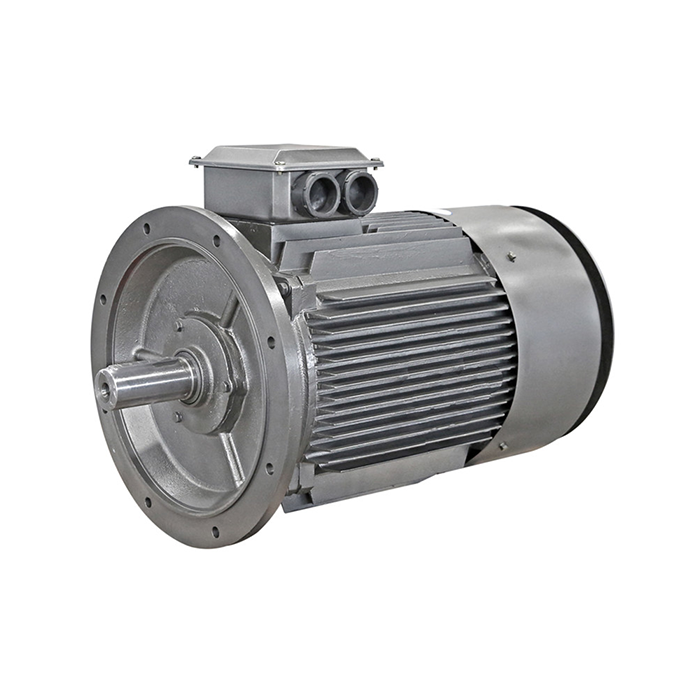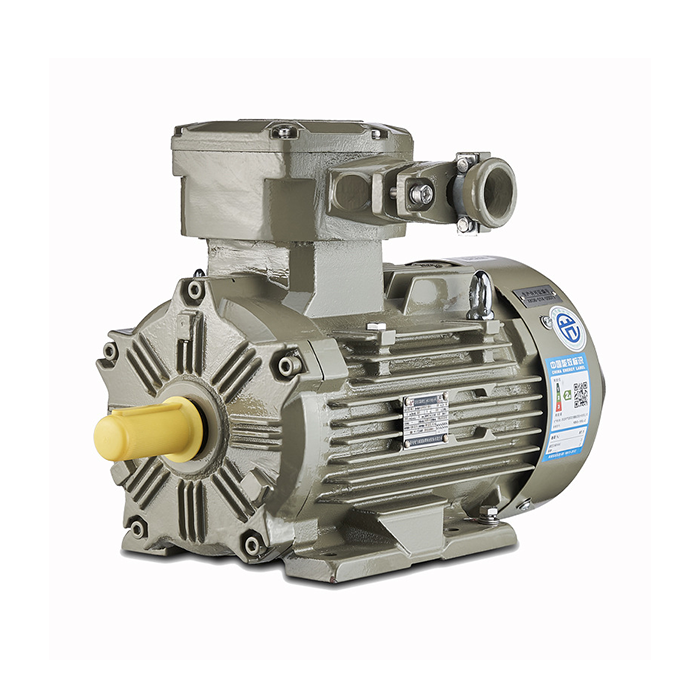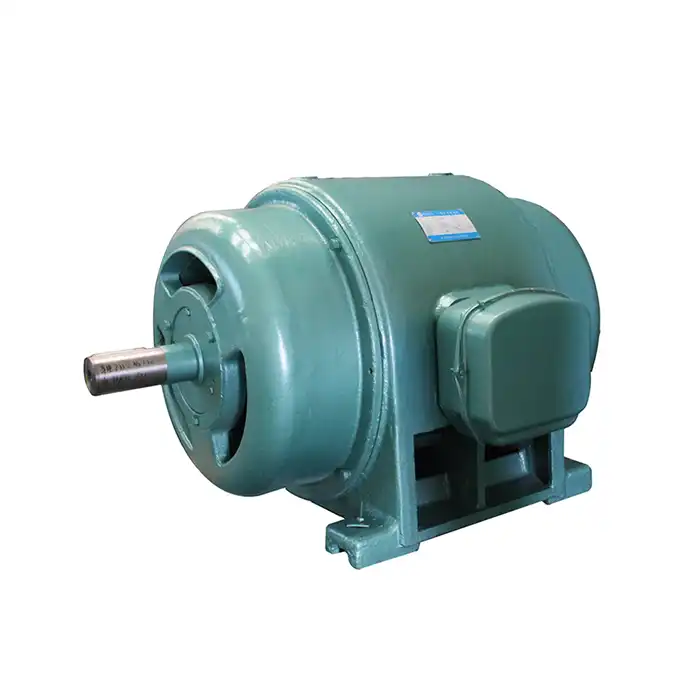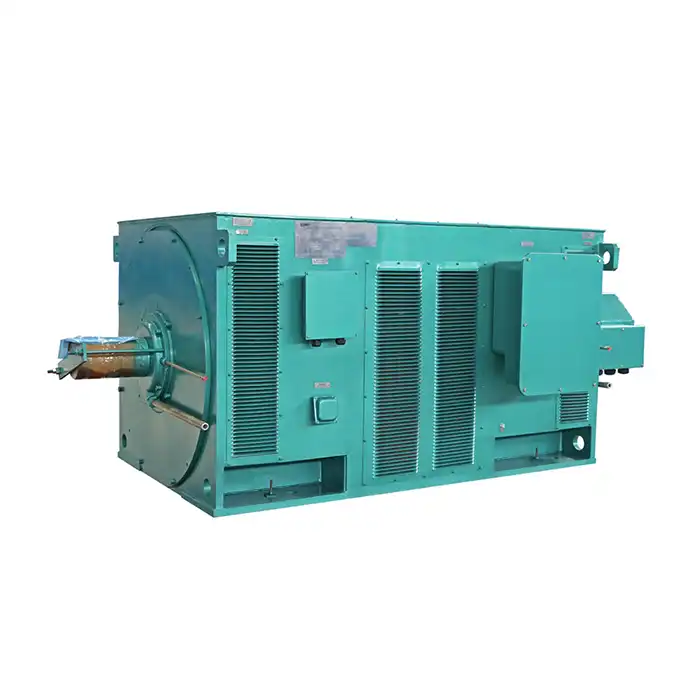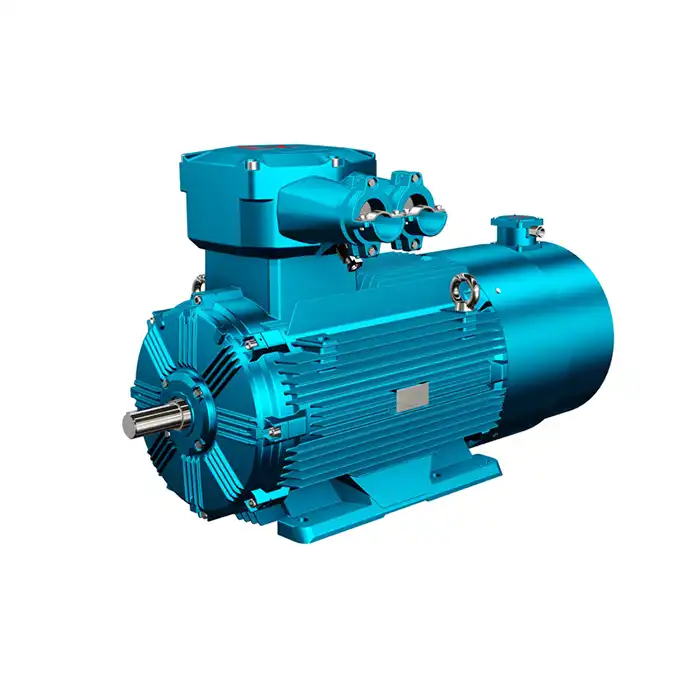




To get the best performance from a generator setup with a 2500 kW motor, it needs to be carefully planned, installed, and integrated. In complicated electromechanical systems where reliable power creation is essential, a 2500 kW motor can either power generators or act as the main mover. For engineers and procurement professionals to make sure the motor works with voltages from 3000V to 11000V, is protected by ratings like IP54, and needs to be cooled properly, they need to know the motor's specifications. This will allow it to be easily integrated with existing generator systems and run as efficiently as possible in industrial settings.
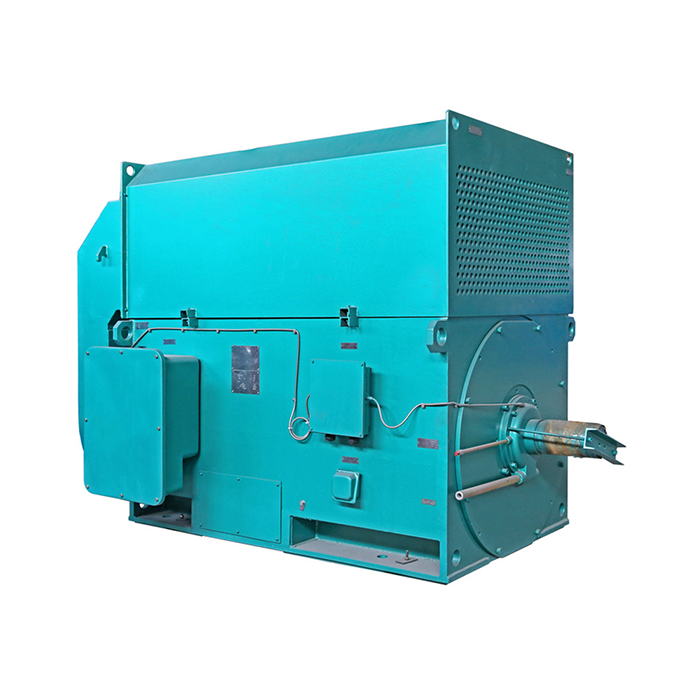
Series:YKK
Protection level:IP54
Voltage range:3000V±5%,3300V±5%,6000V±5%,6600V±5%,10000V±5%,11000V±5%
Power range:200-6300 kW
Application:fans, water pumps, compressors, crushers, cutting machine tools, transportation machinery, etc.
Advantage:low noise, low vibration, long service life, easy installation and maintenance.
Standard: This series of products complies with JB/T 12730 and JB/T 12729 standards.
Others: SKF, NSK, FAG bearings can be replaced according to customer requirements.
Understanding the Role of a 2500 kW Motor in Generator Systems
A 2500 kW motor plays a fundamental role in generator systems by converting electrical energy into mechanical energy that drives the generator rotor. When properly configured, these motors enable consistent power output while maintaining stable frequency and voltage characteristics essential for industrial operations.
How Does a 2500 kW Motor Work in a Generator Setup?
The motor uses electromagnetic induction to transform electrical input into rotational force. This mechanical energy drives generator components via connection systems. The motor works within 3000V±5% to 11000V±5% voltage ranges, ensuring compatibility with diverse power distribution systems. Advanced rotor designs reduce vibration and operate smoothly under enormous loads.
Advanced motor-generator control systems monitor temperature, vibration, and power usage. These monitoring features protect equipment and improve energy use during operation.
Common Types of 2500 kW Electric Motors for Generators
Generators in industrial applications use two main motor types. For applications needing steady frequency output, synchronous motors have accurate speed control and high power factor. Asynchronous motors operate reliably with little maintenance and control.
Application criteria including load characteristics, starting torque, and ambient variables determine motor selection. Cast iron construction is durable, and quality bearing systems increase operational life with minimal maintenance.
Power and Energy Considerations
For high-quality motors, power estimates must account for motor efficiency ratings of 94-97%. Energy usage depends on load factors, with best efficiency at 75-85% of rated capacity. With efficient heat dissipation and low auxiliary power use, IC611 cooling systems reduce energy consumption.
Adding motors to generators requires voltage management. The ±5% voltage tolerance enables steady operation and consistent output quality across diverse grid circumstances. Effective power factor management decreases reactive power demands and boosts system efficiency.
Step-by-Step Guide to Integrating a 2500 kW Motor with Generators
Successful motor-generator integration requires systematic approach encompassing design verification, mechanical installation, and electrical connections. Each phase demands attention to technical specifications and safety protocols to ensure reliable long-term operation.
Preliminary Assessment and System Design
Start integration planning by assessing generator capacity and electrical infrastructure compatibility. Generator ratings should meet 2500 kW motor output parameters, including power factor and harmonic distortion restrictions. Determine foundation needs to sustain motor-generator assembly weight and dynamic forces.
Ambient temperature ranges, altitude effects on cooling performance, and maintenance access space are design factors. IP54 provides dust and moisture protection for most industrial situations, although some applications may require further sealing.
Installation and Commissioning Best Practices
Mechanical coupling alignment requires precise measurement tools and skilled installers. Unaligned bearings wear faster, vibrate more, and last less. Use laser alignment technologies to meet manufacturer coupling tolerances.
Local rules and international standards like JB/T 12730 and 12729 govern electrical connections. Use surge protection and grounding systems to protect equipment from electrical disruptions. During continuous operation, cable sizing should incorporate voltage drop and temperature factors.
Commissioning includes extensive no-load and full-load testing. Check protection system operation, emergency shutdown procedures, and control system communication. Note baseline performance for future maintenance.
Operational Controls and Monitoring
Remote monitoring and automated load response are possible with advanced control systems. Programmable logic controllers manage motor startup, load sharing, and shutdown. Real-time monitoring detects problems before they happen by monitoring bearing temperatures, vibration, and electrical factors.
Communication protocols enable plant-wide control system integration and centralized monitoring and data logging. Trending analysis optimises maintenance and detects performance decline.
Maintenance and Efficiency Optimization for 2500 kW Motor-Generator Sets
Proactive maintenance strategies extend 2500 kW motor life while maintaining peak performance throughout operational cycles. Regular inspection schedules combined with condition-based monitoring provide early warning of developing problems.
Essential Maintenance Tips
Monthly inspections should focus on bearing lubrication levels, cooling system cleanliness, and electrical connection tightness. Vibration monitoring using portable analyzers detects bearing wear, coupling misalignment, and rotor imbalance conditions. Temperature measurements at critical points including bearings, windings, and cooling air outlets indicate thermal performance trends.
Annual maintenance includes comprehensive electrical testing, insulation resistance measurements, and bearing replacement when necessary. Premium bearing options from established manufacturers ensure reliable operation while reducing unexpected downtime. Proper storage and handling procedures protect replacement parts from contamination and moisture damage.
Enhancing Motor Efficiency in Generator Applications
Efficiency optimization involves multiple factors including load management, power quality improvement, and environmental controls. Variable frequency drives can reduce energy consumption during partial load operation while maintaining required output characteristics. Power factor correction equipment minimizes reactive power demands and reduces electrical losses throughout the distribution system.
Regular cleaning of cooling surfaces maintains heat transfer effectiveness while reducing energy consumption. Air filtration systems protect internal components from contamination while maintaining optimal cooling airflow. Ambient temperature control reduces thermal stress on insulation systems and extends winding life.
Cooling Methods and Their Effect on Longevity
Cooling system design directly impacts motor life expectancy and maintenance requirements. IC611 cooling method provides forced ventilation using external fans to circulate cooling air through motor internals. This approach offers excellent heat dissipation while maintaining relatively simple maintenance procedures.
Cooling system maintenance includes filter cleaning, fan belt inspection, and heat exchanger servicing. Blocked cooling passages cause localized overheating and accelerated insulation degradation. Temperature monitoring systems provide early warning of cooling system problems before damage occurs.
Common Challenges and Solutions in Using 2500 kW Motors with Generators
Integration challenges often arise from compatibility issues, installation constraints, and operational requirements. Understanding common problems and proven solutions helps avoid costly mistakes and project delays.
Addressing Compatibility Issues
Compatibility problems typically involve mismatched electrical characteristics, mechanical interface requirements, or control system integration difficulties. Voltage regulation differences between motor and generator can cause power quality issues requiring additional equipment or modified control strategies.
Mechanical compatibility includes coupling selection, foundation design, and alignment procedures. Proper engineering analysis during design phases prevents installation problems and ensures long-term reliability. Thermal expansion considerations become important for large motor-generator sets operating across wide temperature ranges.
Overcoming Installation and Operational Risks
Installation risks include foundation settlement, alignment errors, and electrical connection problems. Comprehensive installation procedures with quality checkpoints reduce these risks while ensuring safe, reliable operation. Environmental factors including dust, moisture, and temperature extremes require appropriate protection measures.
Operational risks encompass overheating, vibration, and electrical faults. Monitoring systems provide early warning while protective devices prevent equipment damage during fault conditions. Regular training for operating personnel ensures proper response to abnormal conditions.
Conclusion
Successfully implementing a 2500 kW motor in generator applications requires comprehensive understanding of electrical specifications, mechanical integration requirements, and maintenance procedures. Proper planning during design phases, precise installation practices, and proactive maintenance strategies ensure reliable long-term operation while maximizing return on investment. Quality equipment selection, combined with experienced technical support, provides the foundation for successful motor-generator integration across diverse industrial applications.
Frequently Asked Questions
Q1: What are the key specifications to verify before purchasing a 2500 kW motor for generator use?
A: Focus on rated voltage compatibility (3000V-11000V range), efficiency ratings, cooling requirements, protection class (IP54 minimum), and compliance with JB/T standards. Verify bearing specifications, mounting configurations, and available customization options to ensure proper integration with existing systems.
Q2: How often should maintenance be performed on a 2500 kW motor in a generator setup?
A: Implement monthly inspections focusing on bearing lubrication, cooling system cleanliness, and vibration monitoring. Schedule comprehensive annual maintenance including electrical testing, insulation measurements, and bearing replacement when necessary. Condition-based monitoring helps optimize maintenance intervals based on actual operating conditions.
Q3: Can a 2500 kW motor be used interchangeably with other power ratings like 2000 kW or 3000 kW in generator systems?
A: Direct interchangeability requires careful evaluation of electrical and mechanical compatibility. Different power ratings have varying physical dimensions, electrical characteristics, and cooling requirements. System design modifications may be necessary to accommodate different motor specifications while maintaining optimal performance.
XCMOTOR: Your Trusted Partner for 2500 kW Motor Solutions
Shaanxi Qihe Xicheng Electromechanical Equipment Co., Ltd. (XCMOTOR) provides power equipment for demanding industrial applications. Our comprehensive product line includes motors from 200-6300 kW with 3000V to 11000V voltage capabilities, compatible with various generator systems and operational needs.
A trustworthy 2500 kw motor manufacturer, we offer customized solutions for individual application needs. Our engineers work with customers to improve motor specs, cooling methods, and control interfaces for system integration. Premium bearings from reputable suppliers offer reliable operation and flexible adaptation for particular project needs.
Our support includes pre-sales consulting, technical assistance, and prompt after-sales service. We have a large spare parts inventory and ship internationally to reduce downtime. Our dedicated team assists consumers on weekends. Quality assurance at XCMOTOR maintains industry standards and consistent product performance. Our 30-day return policy and extensive warranty show our trust in production quality and customer happiness.
Ready to optimize your generator systems with reliable motor solutions? Our experienced team stands ready to discuss your specific requirements and provide tailored recommendations. Contact us at xcmotors@163.com to receive personalized quotations and technical consultation services. Visit motorxc.com for detailed product specifications and application guides.
References
1. Industrial Motor Applications and Generator Integration Standards, IEEE Power Engineering Society, 2023
2. High-Power Motor Installation Guidelines for Generator Systems, International Electrotechnical Commission, 2022
3. Maintenance Best Practices for Large Industrial Motors in Power Generation, Electric Power Research Institute, 2023
4. Motor-Generator Coupling and Alignment Procedures, Mechanical Engineering Standards Association, 2022
5. Energy Efficiency Optimization in High-Power Motor Applications, Industrial Energy Management Journal, 2023
6. Cooling System Design for Large Industrial Motors, Thermal Management Institute, 2022