



How to protect a AC Motor from dust?
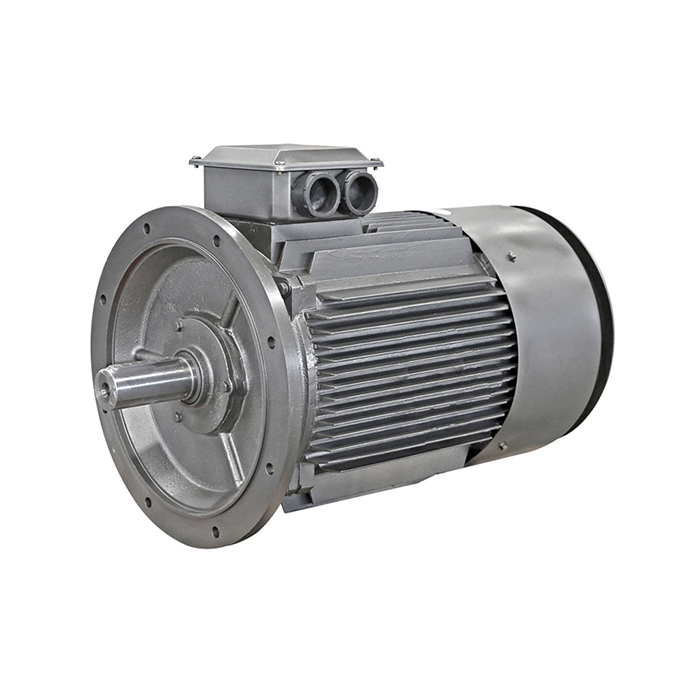
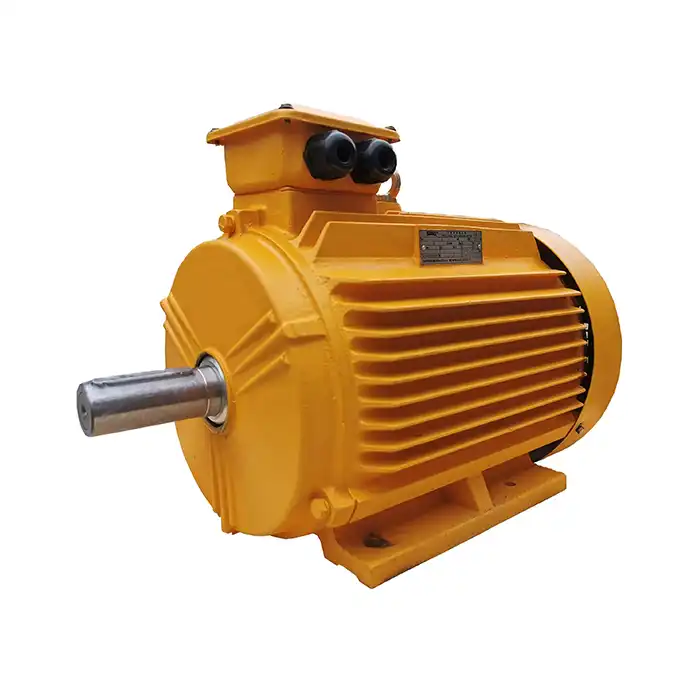
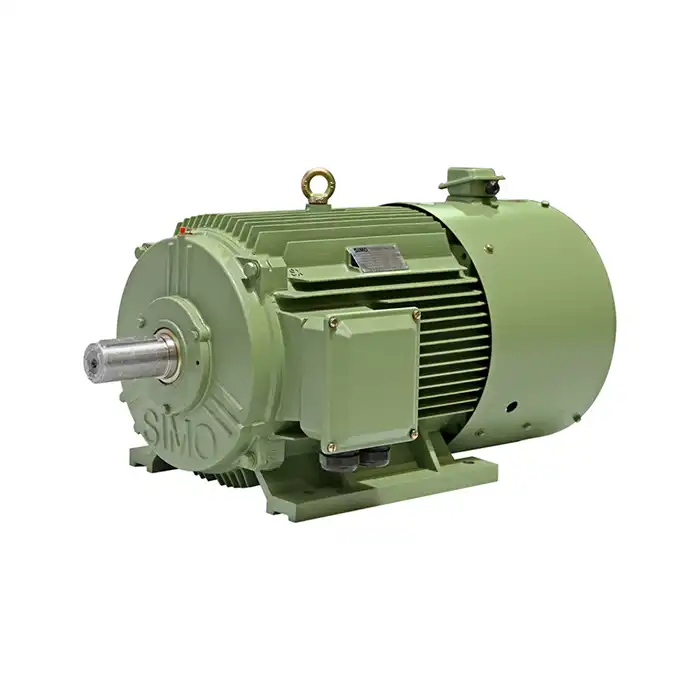
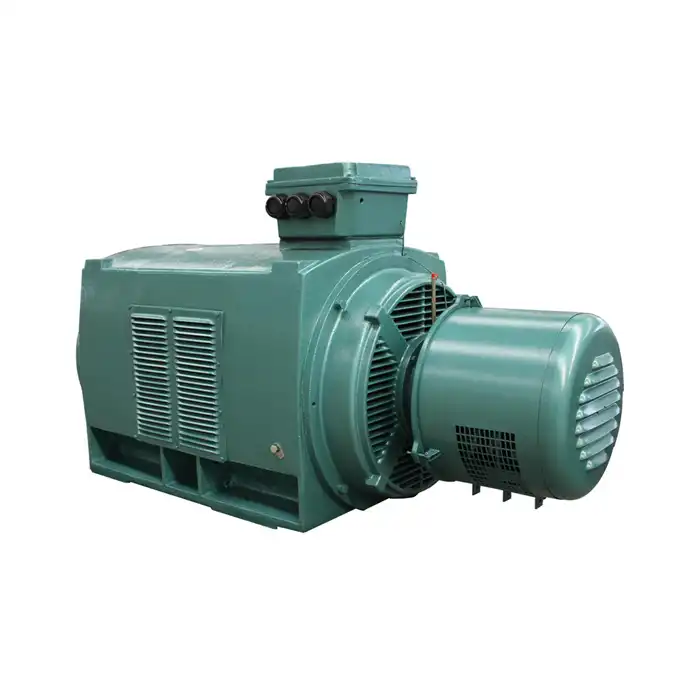
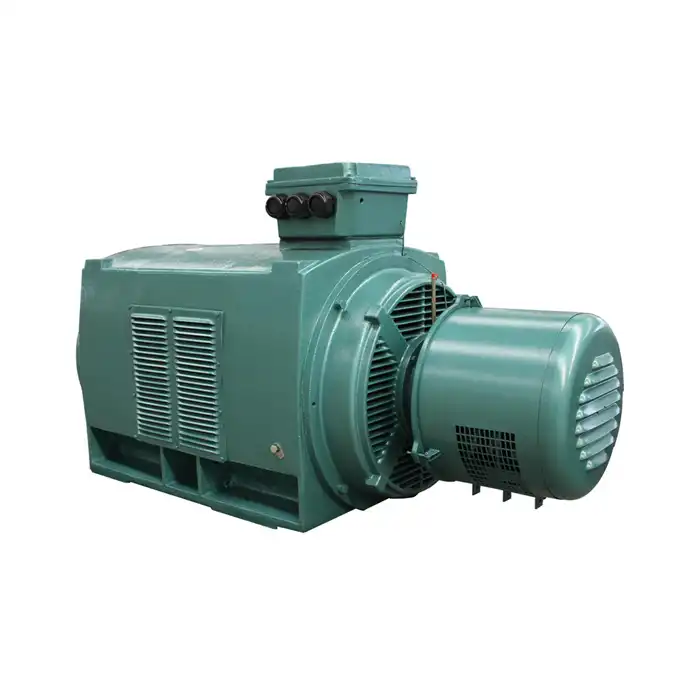
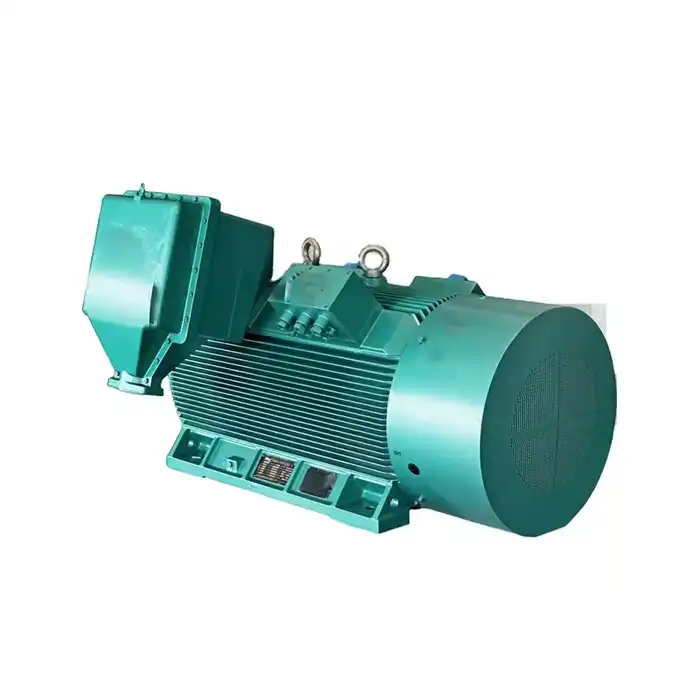
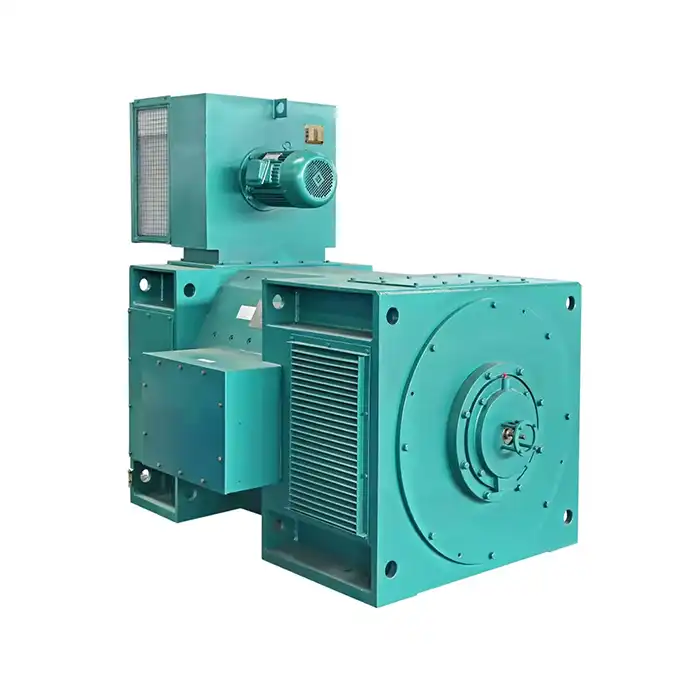
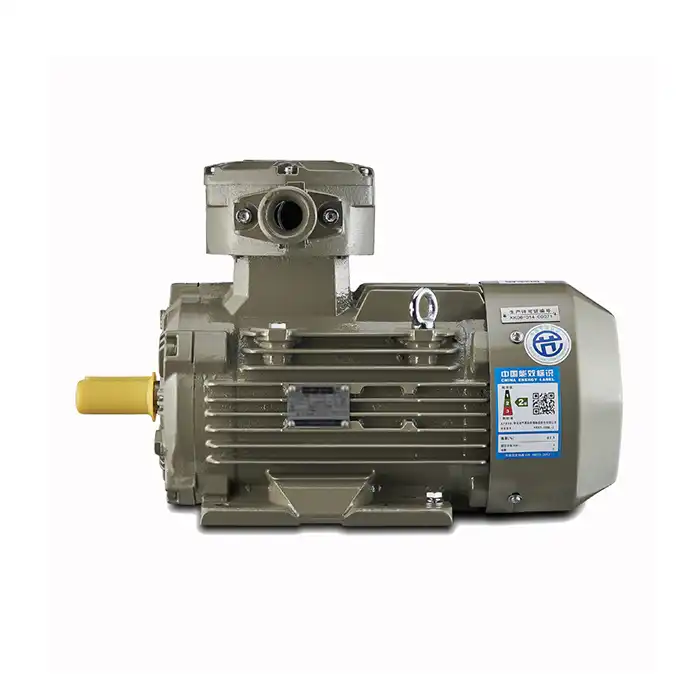
First, examine the possible threats in the AC motor working environment to be protected against dust. The region should be classed according to dust exposure and explosion threats. Then pick an enclosure with the correct IP rating, seal all holes correctly and clean and check the motor frame periodically to avoid dust collection. YFBX4 dust explosion-proof motor is a dust-proof special enclosure, which prevents dust from entering the motor and controls the surface temperature within a certain range to avoid dust explosion in the environment with dust. Installation should provide appropriate grounding and approved cable glands. Regular maintenance and inspections should be carried out. The next sections describe how to choose, install and maintain an appropriate motor for dusty applications.
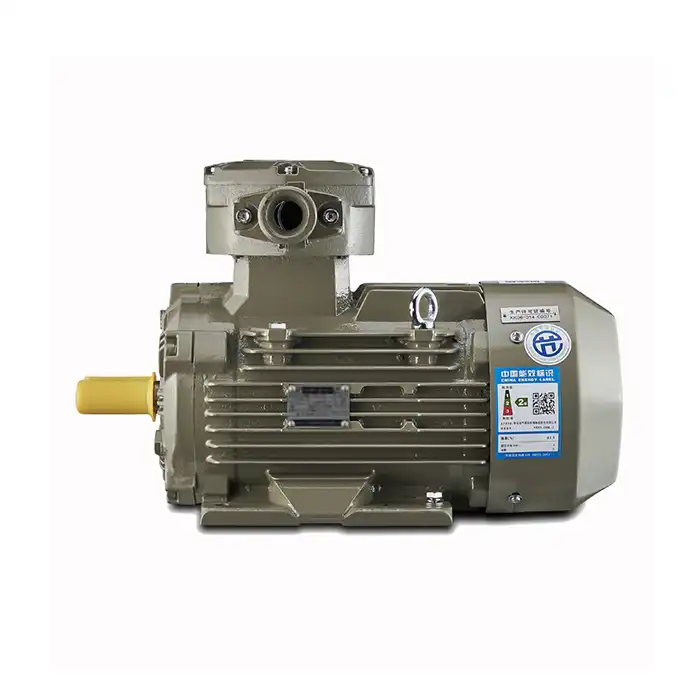
Series:YFBX4
Voltage range:380V,660V,415V,380/660V,660/1140V
Power range:0.55-315 kW
Application:medicine, textile, metallurgy, grain processing, feed processing, fertilizer, tobacco, papermaking, synthetic materials, building materials and other places where combustible dust exists.
Advantage: high efficiency, low noise, small vibration, excellent performance, safe and reliable use.
Others: SKF, NSK, FAG bearings can be replaced according to customer requirements.
Explosion-proof mark: Ex tD A21 IP65 T 130℃, Ex tD A22 IP65 T 130℃, Ex tD A22 IP55 T 130℃".
Why Dust Protection Matters for AC Motors
How Dust Damages a Motor Over Time
Motors rarely stop overnight because of dust. In the end, it covers cooling ribs, fan covers, and terminal boxes like a blanket that keeps heat in. More heat in the windings shortens the life of the insulation. The grease in bearings wears away and abrasive dust gets into the seals, making the bearings hot and noisy. Hygroscopic dust, like that found in flour or fertilizer, pulls in water and makes insulation less effective. Grain and feed plants often have to fix bearings that get too hot after dust gets into them.
When Dust Becomes an Explosion Hazard
There are five things that are needed for a dust explosion to happen: flammable dust, oxygen, a source of ignition, spreading into a cloud, and a tight space. If you take away one, the risk goes down. Between 1980 and 2005, the U.S. Chemical Safety Board found 281 cases of combustible dust that killed 119 workers and hurt 718 others (CSB, 2006). What can you burn? Wood, starch, flour, grain, feed, and some metal and chemical powders. According to NFPA 652, building owners must do a dust hazard analysis. This analysis tells them what areas need certified equipment.
Why IP55 or IP65 Alone Is Not Enough
It is IEC 60529 that gives IP ratings. The first number shows how well solid particles are protected. A 5 means it is dust-protected, which means that some dust may get in but not enough to stop it from working. A 6 means it doesn't let dust in. Water resistance is shown by the second number, and water jets are covered by a 5. A motor with an IP65 rating keeps dust out well, but it doesn't say anything about the temperature on the outside, protection against sparks, or the certificate that's behind the case. A normal IP65 motor might not be right for a place with flammable dust.
The Basic Principle: How to Protect an AC Motor from Dust
Enclosure and IP Rating
Choose the enclosure based on the amount of dust, how it will be cleaned, and how much it will be exposed. In a low-risk area, dry sweeping might be enough for IP55, but heavy dust or a wash-down might need IP65. Because a tighter seal can change how cool it is, I also check the highest surface temperature and the temperature range in the room. A YFBX4 dust explosion-proof motor from an explosion proof ac motor manufacturer has a frame and end shields made of cast iron. These can handle being hit on busy mill floors and keep the windings from getting too hot. Load, altitude, and duty cycle can also make a motor run hot.
Seals, Terminal Boxes, and Bearings
Small holes let most of the dust in, not the frame itself. There are four things I check: the belt seals, the cable glands, the shaft seal, and the bearing seals. Certified cable glands need to fit the diameter of the cable, and entries that aren't being used need certified plugs. In writing, I also need to know the type of seal and the grade of grease because the maintenance teams will need that information then. When a customer asks for them, bearings from other brands can be put on the YFBX4 series. This is helpful for plants that already have a preferred bearing on hand. A good enclosure quickly falls apart if the gasket is broken or missing.
Site Controls Around the Motor
A motor can't stop a process that isn't being controlled. The dust load is lowered before it gets to a YFBX4 dust explosion-proof motor by collecting dust at transfer points, providing local ventilation, grounding, and controlling static electricity. According to OSHA's grain handling standard, there must be a written housekeeping program and regular maintenance checks on things like dust collection systems and bucket elevators (OSHA, 1987). Use the right tools for the job to wipe or vacuum off the dust from the frame and fan cover. Do not use compressed air because it forces dust into seals. When the motor is clean, it runs cooler, and it's easier to keep the nameplate's surface temperature limit.
Choosing a YFBX4 Dust Explosion-Proof Motor
Series Overview
The YFBX4 dust explosion-proof motor is a series for places where there is dust that can catch fire. Some of the listed uses are in medicine, textiles, metallurgy, processing grains and feed, making fertilizer, tobacco, paper, synthetic materials, and building materials. From 0.55 kW to 315 kW at 750 to 3000 rpm, the series has it all. You can choose between 380 V, 660 V, 415 V, 380/660 V, and 660/1140 V. The rotor is balanced to keep noise and vibrations low, the insulation is Class F, and the frame and end shields are made of cast iron. The windings are impregnated with vacuum pressure. At heights of up to 1000 m, the temperature range is from -20°C to +40°C.
Matching Markings to Zone 21 and Zone 22
Ex tD A21 IP65 T130℃, Ex tD A22 IP65 T130℃, and Ex tD A22 IP55 T130℃ are the three marks for this series. In normal operation, a dust cloud may appear from time to time in Zone 21. In Zone 22, clouds are not likely to show up, and if they do, they will only last a short time. Match the mark to the area you looked at on the site. The dust marking may be written as Ex tb IIIC T130° F Db on newer papers, so I stick to what's written on the certificate. Dust marks and flameproof gas marks, like Ex d, should be kept on different lines of a datasheet. They are two different kinds of protection, and if you mix them up, your datasheet will be rejected.
Temperature Class, Voltage, and Fit
T130°C means that the surface is hotter than 130°C. The normal limit, according to IEC 60079-14, is two-thirds of the temperature at which a dust cloud will ignite and at least 75 K below the temperature at which a 5 mm layer of dust will ignite. For a YFBX4 dust explosion-proof motor at T130°C, that means the layer should catch fire at 205°C or higher and the cloud should catch fire at 195°C or higher. Compare those numbers to the data you have on dust. Then check the power, number of poles, supply voltage, frame size, shaft size, position of the terminal box, and whether the B3, B5, or B35 mounting is against the driven machine. When you get a new one, make sure the foot holes are the same distance apart so the base stays the same.
Applying, Installing, and Maintaining the Motor
Where the Motor Fits
A lot of places that handle grains, like flour mills, feed lines, starch, fertilizer, and tobacco plants, have fine dust that can catch fire near the drives. Fans need to match airflow and static pressure, conveyors need a steady starting torque, pumps need to run all the time, and dust collectors need motors that can handle vibration and many starts. If the zone, type of dust, and duty profile match its certificate, a YFBX4 dust explosion-proof motor can do these jobs. For projects with many drives, one series from 0.55 to 315 kW lets the team keep the same supplier and not split the order.
Installation Checks for a YFBX4 Dust Explosion-Proof Motor
The certified protection stays in place during installation. I compare the voltage, frequency, current, speed, frame, mounting, IP rating, temperature mark, and zone mark on the nameplate to the project before I turn it on. Use certified plugs, cable glands, and junction boxes, and make sure that the terminal connections are tight enough to meet the torque requirements. Connect the wire that goes to the ground. When the shaft is not lined up with the machine it drives, the bearings and seals get worn out. Protect against overcurrent, short-circuit, and high temperatures. The certificate should cover inverter supply, and you should ask about minimum speed and cooling if you plan to run the motor on a VFD.
Maintenance Routine for a YFBX4 Dust Explosion-Proof Motor
Choose how often to check the machine based on its dust load, running hours, humidity, and how important it is. I write down the temperature, vibration, current, insulation resistance, grounding continuity, and condition of the bearings at each check. I also check the mounting bolts, cooling holes, terminal boxes, and cable glands. Clean in a way that doesn't push dust into electrical or seal areas. For any repair work on the case, windings, shaft, or terminal parts of a variable frequency dust motor, only use approved spare parts and qualified technicians. Have extra fan covers, bearings, and parts for the terminal box on hand in case something goes wrong. This way, the line won't be down for long.
Buying and Specifying a YFBX4 Dust Explosion-Proof Motor
Build a Complete Specification
Making a full request gets you a quote that you can compare. Write down the use, the type of dust, the zone, the power, the number of poles, the voltage, the frequency, the duty cycle, the IP rating, the temperature mark, the mounting, the ambient conditions, the VFD use, the quantity, the destination, and the date of delivery. When data is missing, the supplier has to guess. For sites in the US, you should also check with your safety engineer and the relevant authority to see which listings they accept for the area classification. Article 506 of NFPA 70 talks about the zone system for combustible dust.
Documents to Request from a Supplier
Request the datasheet, dimensional drawing, sample nameplate, test report, certificate, and information on how to package the item. Ask for the certificate number and the original document so that your client can check it when they accept it. If the supplier can't show you the certificate, you have to figure out if they are following the rules. Ask about testing in the factory, customization, export paperwork, lead time, spare parts, and testing in the factory. Write down the warranty and return rules in a contract that is easy to understand. We at XCMOTOR answer all of your questions based on the exact documentation for each YFBX4 dust explosion-proof motor.
Mistakes to Avoid
One mistake that people often make is thinking that the IP rating is all there is to know. Others are putting a gas-rated motor in an area with a lot of dust, blocking cooling passages with product buildup, using generic parts instead of certified ones, and not paying attention to the integrity of the cable entry. It's also a trap to run a VFD below the top speed range. Even if the motor looks fine, each one makes the certified protection less strong. If you want to compare quotes, don't just look at price. You should also look at certification, downtime, and service life. A stopped feed line can cost more than a small price difference between two motors.
Conclusion
To keep dust from getting into an AC motor, you must first understand what dust does. It keeps the frame warm, wears out bearings, soaks up water, and can explode if it catches fire. There are other things that are more important than an IP rating for keeping dust out. These are zone-matched explosion protection, a controlled surface temperature, and a dust hazard analysis. The motor is kept safe during daily use by sealing, grounding, certified cable entries, correct installation, and regular cleaning. The YFBX4 dust explosion-proof motor has Ex tD marks for Zone 21 and Zone 22 at T130℃. It works with motors from 0.55 kW to 315 kW and can be used in dusty industries as long as its certificate matches the site. That protection stays in place thanks to a full specification, documents that have been checked, and a maintenance schedule.
FAQ
1. Is IP65 enough for a dusty plant?
Not for dust that can catch fire. IEC 60529 says that IP65 means that it is dust-tight and can handle water jets. The surface temperature is not controlled and there is no protection against sparks. In a combustible dust zone, you need equipment that has been approved for that zone.
2. What does Ex tD A22 IP55 T130℃ mean on a YFBX4 dust explosion-proof motor?
It shows a dust-proof box for Zone 22 with an IP55 rating and a top temperature of 130°C. Read the certificate to find out the exact scope, and then compare the ignition temperatures of your dust to the ranges given above.
3. Can I run a YFBX4 dust explosion-proof motor on a VFD?
Only if the certificate and paperwork from the manufacturer show that the inverter is supplied. You should get written information about the minimum speed, cooling, and insulation before you place your order.
4. Which voltages does the YFBX4 dust explosion-proof motor offer?
There are 380 V, 660 V, 415 V, 380/660 V, and 660/1140 V on the list.
Contact XCMOTOR for Your YFBX4 Dust Explosion-Proof Motor Quote
Please email xcmotors@163.com with your power, voltage, zone, dust type, mounting, quantity, and delivery date. Shaanxi Qihe Xicheng Electromechanical Equipment Co.,Ltd. is a company that sells YFBX4 dust explosion-proof motor products. They offer original products, free shipping, 30-day returns, and support on Saturdays and Sundays. Before you place your order, our team checks the certificates, sizes, and lead time with you. For more information, go to motorxc.com.
References
1. U.S. Chemical Safety Board, Investigation Report: Combustible Dust Hazard Study, 2006
2. NFPA 652, Standard on the Fundamentals of Combustible Dust, 2019
3. NFPA 70, National Electrical Code, 2023
4. IEC 60529, Degrees of Protection Provided by Enclosures (IP Code), 2013
5. IEC 60079-14, Explosive Atmospheres: Electrical Installations Design, Selection and Erection, 2013
6. OSHA, Grain Handling Facilities, 29 CFR 1910.272, 1987