



Guide to IEC Low Voltage Motor Ratings Explained
Choosing the appropriate power source for industrial applications requires an understanding of IEC low voltage motor ratings. Important details on motor performance, efficiency, and operational capabilities are provided by these standardized ratings, which were established by the International Electrotechnical Commission. In the manufacturing, HVAC, and process control sectors, IEC low voltage motors provide dependable power solutions operating in voltage ranges of 50V to 1000V AC. The motor's suitability for a given application is determined by its ratings, which include power output, efficiency classes, protection levels, and operational parameters. In addition to ensuring worldwide compatibility, this standardized approach assists engineers in making well-informed judgments on motor requirements.
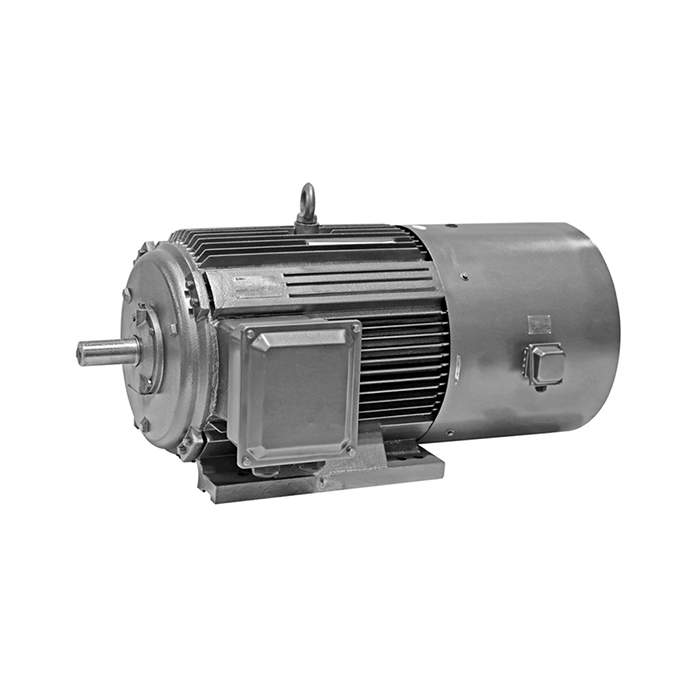
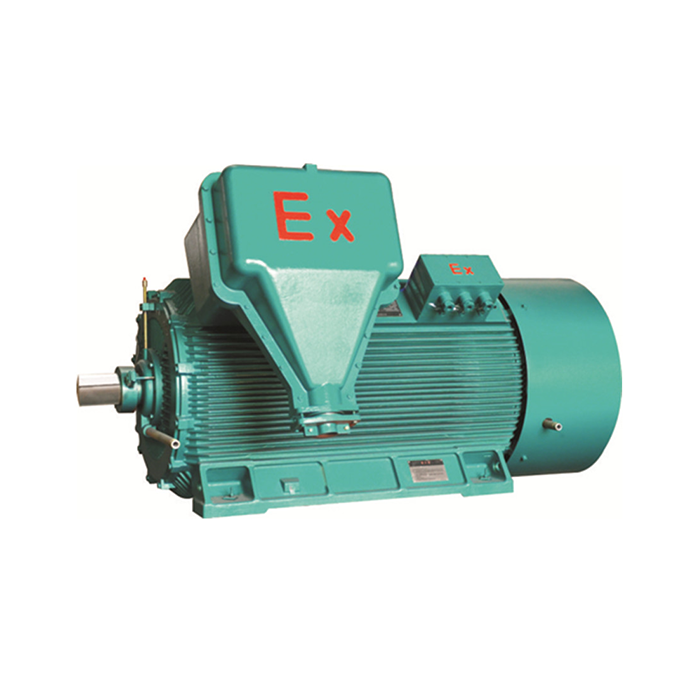
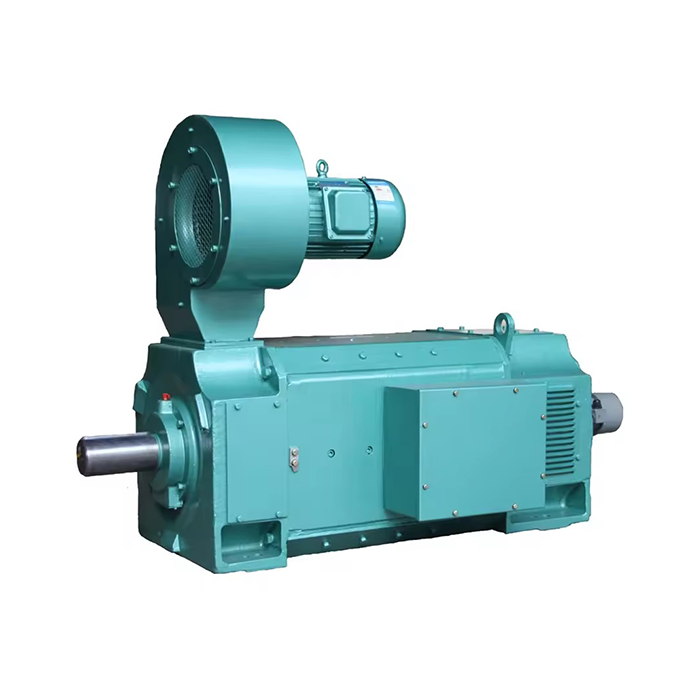
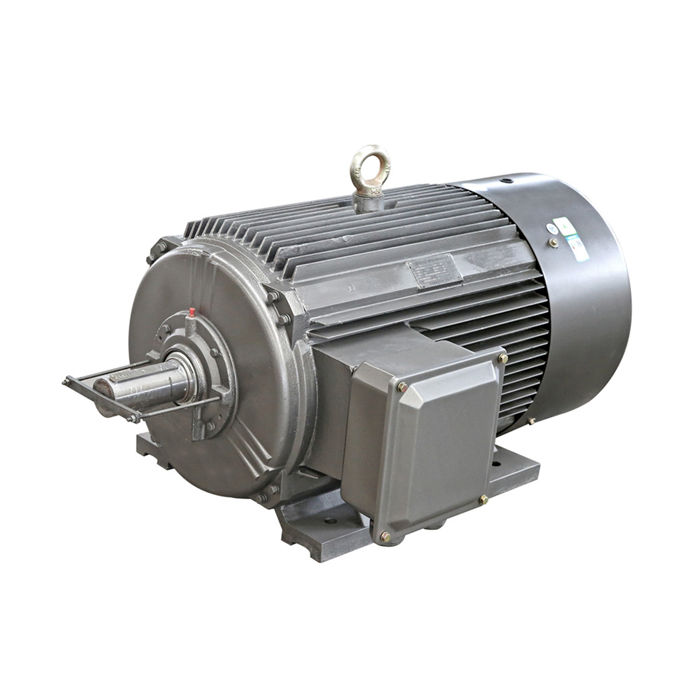
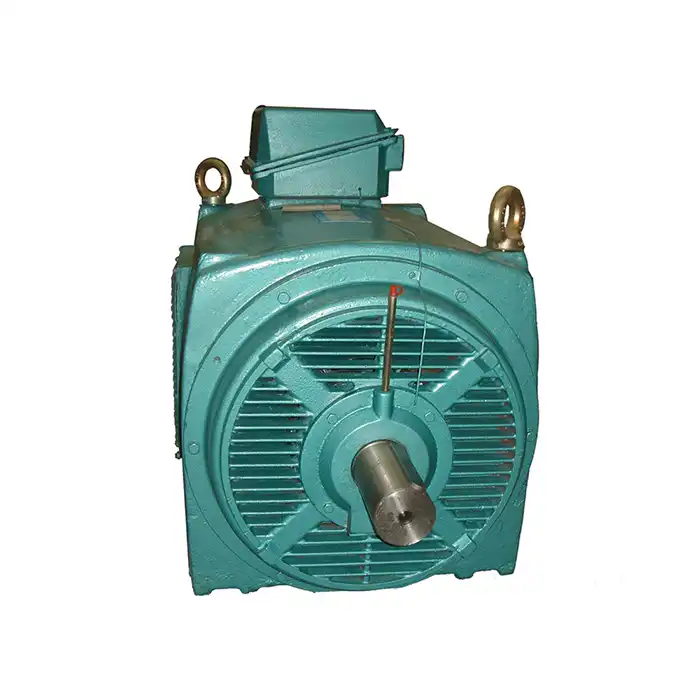
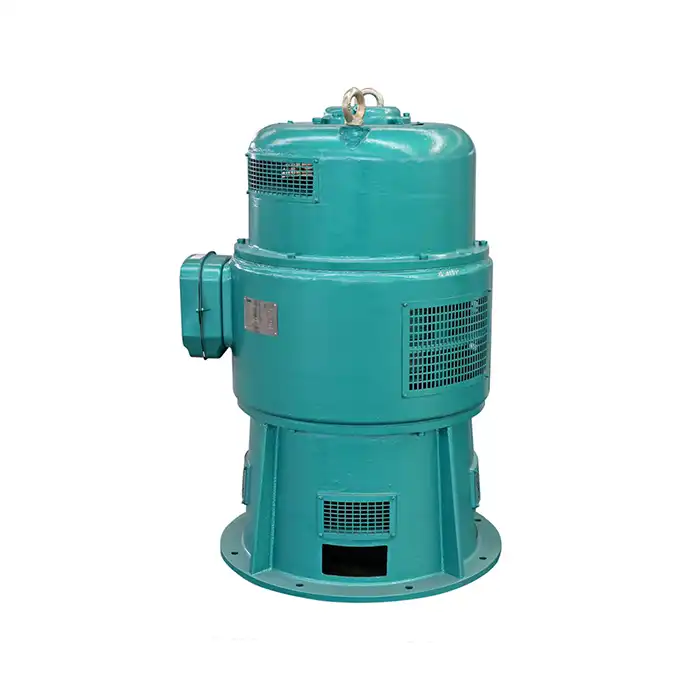
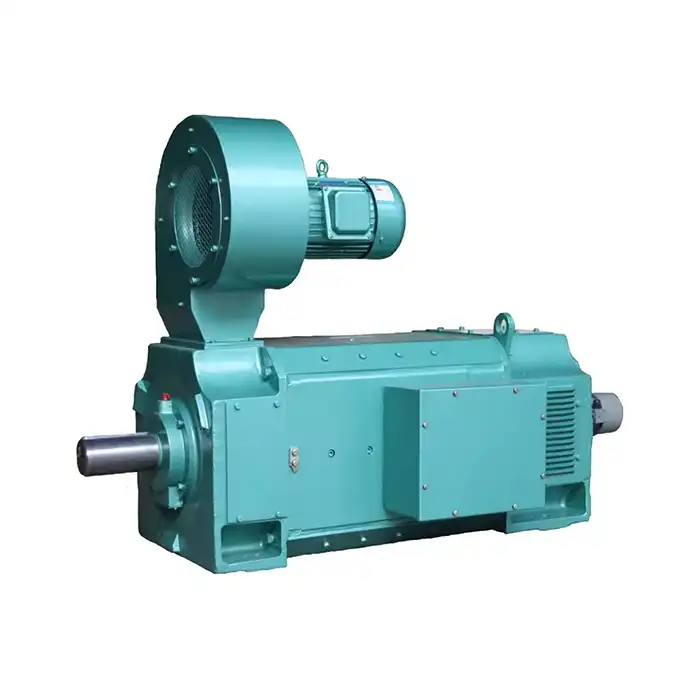
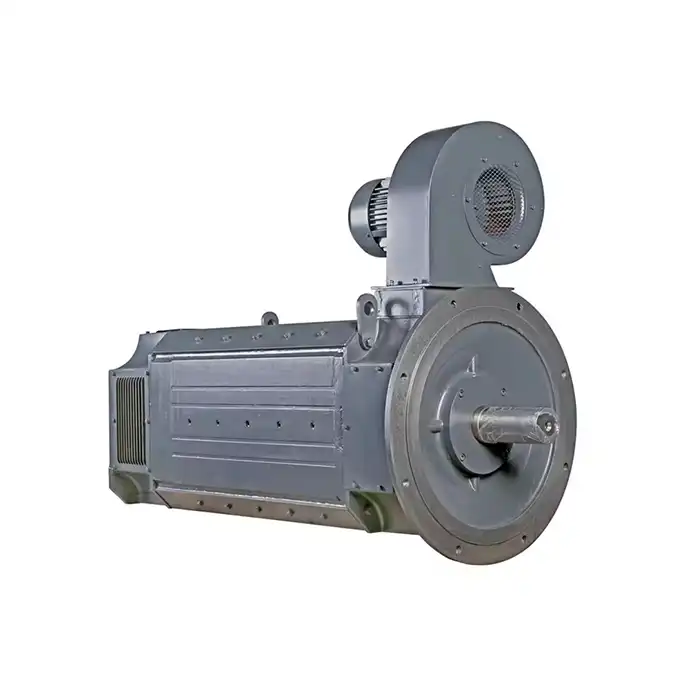
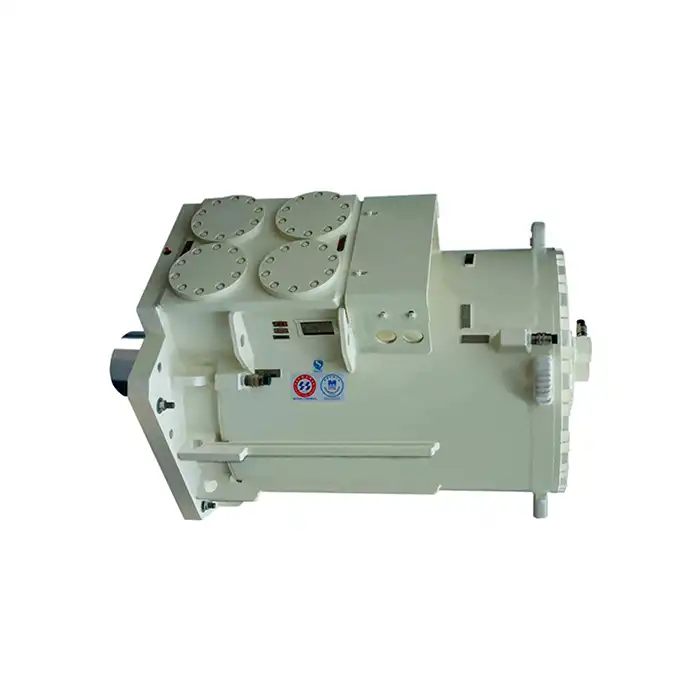
Series:YVFE4
Frequency conversion range:30hz~50hz,5hz~70hz,5hz~100hz
Power range:0.75-1000kW
Protection level:IP55
Application:are suitable for driving various mechanical equipment that require continuous and frequent forward and reverse rotation, such as steel rolling, lifting, transportation, machine tools, printing and dyeing, papermaking, chemicals, textiles, pharmaceuticals, etc., and can be used with various domestic and foreign variable frequency power supplies.
Advantage:high efficiency, wide speed range, high precision, stable operation, and easy operation and maintenance.
Certificate:installation dimensions comply with International Electrotechnical Commission (IEC) standards.
Others: SKF, NSK, FAG bearings can be replaced according to customer requirements.
Understanding IEC Motor Classification Systems
International Standards of the Electrotechnical Commission (IEC)
Comprehensive standards that regulate motor specifications globally are established by the International Electrotechnical Commission. These standards facilitate smooth integration across a variety of industrial applications by establishing uniformity across international marketplaces. From dimensional criteria to performance characteristics, the IEC standard makes sure motors fulfill stringent quality standards that are necessary for a variety of sectors.
Ratings for Motor Insulation Classes Are Important
Ratings for the motor insulation class show how well the motor manages temperature changes while in use. Class H and Class F insulation systems can tolerate temperatures as high as 180°C and 155°C, respectively, over an extended period of time. These ratings are crucial for applications needing reliable performance in harsh conditions since they have a direct impact on motor longevity and performance dependability in demanding settings.
Types of Low Voltage Motor Efficiency
The efficiency levels of low voltage motors are classified as IE1 through IE4, with IE4 denoting premium efficiency levels. The IE3 and IE4 energy-saving motors maintain excellent motor performance while drastically lowering operating expenses. In continuous-duty applications where energy consumption affects operating budgets, these efficiency gains become especially beneficial, underscoring the significance of choosing the appropriate motor for long-term financial viability.
Standardized Dimensions to Make Integration Easier
Because the IEC motor specifications adhere to established mounting configurations, equipment integration and replacement processes are made simpler. When upgrading or replacing motors, standard frame sizes minimize the need for modifications by ensuring compatibility with current installations. Standardization makes maintenance procedures and transitions easier, which eventually improves operational efficiency.
Power Rating Fundamentals and Applications
The Motor Power Rating Is Important
Under rated conditions, the mechanical output capability is represented by the motor power rating. Smaller applications usually have power ratings of 0.75 kW, while heavy industrial gear often has power ratings of 1000 kW. IEC low voltage motors are designed to operate efficiently within these power ranges. It is possible to properly match motor capabilities with load needs by being aware of these ratings, which guarantees that the chosen motor can manage the anticipated operational demands without sacrificing performance.
Features of Performance in Different Industries
Many different industries use low voltage motors, and each one has unique performance requirements. Process control applications require precision speed regulation for pumps, compressors, and material handling systems, while manufacturing facilities need motors that supply torque consistently for production line equipment. Motor specifications must be adjusted to meet these requirements in order to preserve productivity and efficiency in a variety of industries.
Calculating Motor Load Capacity Correctly
Calculations of motor load capacity must take duty cycles, operating circumstances, and starting torque into account. Motors that are undersized may fail too soon and cause operational disturbances, while those that are oversized may waste energy and raise expenses. Appropriate sizing guarantees maximum effectiveness and prolonged service life, allowing companies to run dependably and economically.
Increasing Adaptability with Variable Frequency Drives
Motor adaptability across various operational requirements is increased by compatibility with variable frequency drives (VFDs). With the ability to manage frequency fluctuations ranging from 5 Hz to 100 Hz, VFD-compatible motors provide accurate speed control for a variety of applications. Because it enables dynamic performance modifications that maximize operational efficiency and adaptability, this flexibility is important in contemporary automation systems.
Protection Ratings and Environmental Considerations
Systems for Rating IP Protection
Rating systems for IP protection specify how resistant motors are to environmental factors. For example, most industrial settings might benefit from IP55 protection since it offers resistance to water jets and dust. In order to meet the demands of tough operating situations where moisture and particulate contamination are common, higher ratings, such IP65, provide total dust protection and resistance to water spray.
Motor Thermal Protection's Significance
Thermal protection for motors is necessary to avoid damage from overheating while they are operating. Inbuilt temperature sensors keep an eye on winding temperatures and initiate protective shutdowns when limits beyond acceptable bounds. This proactive protection ensures constant dependability and safety in a variety of operational situations by extending motor life and averting catastrophic failures in essential applications.
Effects of Different Operating Temperatures
Operating temperature ranges have a big impact on motor longevity and performance. Normal operating temperatures for standard motors are between -20°C and +40°C. Nevertheless, specific uses can call for motors that are rated for extremely high or low temperatures, which would call for improved insulation and cooling measures to preserve operational effectiveness and avoid overheating.
Considerations for Noise Level in Sensitive Settings
In crowded areas or places where noise is a concern, motor noise levels become crucial factors. IEC low voltage motors are often designed with these considerations in mind. To reduce vibration and noise emissions, high-quality bearings and precisely balanced rotors are used. The design and installation of motors in sensitive applications must take noise reduction techniques into account. Appropriate mounting and alignment also lessen noise transmission to nearby structures.
Efficiency Classes and Energy Performance
Impact of Modern Efficiency Standards
Significant increases in motor energy usage are driven by contemporary efficiency standards. For instance, when IE4 efficiency motors are compared to previous IE1 or IE2 designs, significant energy savings are achieved. In addition to improving performance, these developments result in significant cost savings during the motors' operational lifetimes, making them an excellent investment for companies.
Motor Winding Design Influence
Efficiency and performance qualities are directly influenced by the design of the motor winding. Superior conductivity from copper windings over aluminum substitutes greatly lowers losses and boosts overall efficiency. In order to reduce core losses during magnetic field generation and improve motor performance and energy efficiency, premium electrical steel laminations are also utilized.
Starting Techniques and How They Affect Productivity
Grid compatibility and motor efficiency are impacted by starting techniques. For smaller motors with sufficient grid capacity, direct-on-line starting works well; for larger motors, variable frequency drives (VFDs) and soft starters work well. These techniques offer controlled acceleration, facilitating seamless transitions between operations and lessening the strain on the electrical grid and the motor.
An examination of the overall cost of car ownership
Analysis of energy use shows that owning a motor vehicle involves additional costs beyond the original purchase price. Higher initial expenditures are justified by efficient motors' lower energy costs and longer service intervals. Life-cycle cost study highlights the long-term savings linked to better energy management and operational efficiency, proving the financial advantages of using superior efficiency motors.
Speed Control and Torque Characteristics
Variable frequency drives are important
Technologies for motor speed control make it possible to precisely modify operations under a variety of load scenarios. Smooth speed regulation is offered by variable frequency drives (VFDs) from almost zero to the maximum rated speeds. This feature is crucial for applications that call for energy optimization or dynamic speed modifications since it increases motor operation's flexibility and efficiency.
Comprehending Motor Torque Properties
The connection between output torque and rotational speed is defined by the torque parameters of the motor. Maintaining steady-state functioning requires running torque, whereas starting torque must be adequate to overcome initial load inertia. In order to choose the right motor for a certain application and ultimately increase performance and dependability, it is essential to have a solid understanding of these attributes.
Speed Range Limitations and Design Factors
Depending on motor design and control systems, speed range capabilities can differ greatly. Generally speaking, standard motors work best between 750 and 3000 rpm, while IEC low voltage motors and custom designs can go beyond these ranges for particular uses. By extending useful speed ranges, variable frequency operation offers more adaptability in a variety of industrial contexts.
Accurate Speed Regulation in Synchronization Uses
When several motors must synchronize their movements in synchronization applications, precise speed control becomes essential. Strict speed regulation is maintained even under variable load situations thanks to advanced control technologies. This degree of control guarantees consistent process results, which boosts output and lowers the possibility of mistakes in intricate operational settings.
Maintenance and Operational Considerations
Regular Maintenance Is Essential
The demands of the application and operating conditions determine the maintenance requirements for motors. By putting in place routine inspection schedules, such problems can be found before they cause delays to operations. The motor's overall dependability and endurance are enhanced by crucial maintenance procedures like vibration monitoring, winding insulation testing, and bearing lubrication.
Effect of Bearing Choice on Dependability
When it comes to motor reliability and maintenance schedules, bearing selection is essential. Reputable manufacturers may supply high-quality bearings that will last longer and require less maintenance. In order to maintain smooth operation and avoid premature bearing failure, regular lubrication regimens are essential, which improves motor performance overall.
Making Use of Systems for Operational Monitoring
Motor performance metrics are regularly monitored by operational monitoring systems. Important indicators like vibration, temperature, and current monitoring give early warning signs of impending issues. Programs for predictive maintenance use this data to plan interventions in advance, enabling prompt maintenance before problems arise and, eventually, lowering repair expenses and downtime.
Meeting the requirements for motor certification
For safety and performance standards to be met, motor certification requirements are crucial. While other regional certificates show compliance with local laws, the CE label, for instance, signifies European conformance. In motor applications, proper certification improves customer confidence and safety by streamlining equipment approval procedures and guaranteeing regulatory compliance.
Conclusion
Application requirements, efficiency classifications, and rating systems must all be understood in order to choose the right IEC low voltage motors. In addition to satisfying stringent performance and safety requirements, these standardized motors offer dependable solutions across a variety of industrial applications. A proper motor selection takes operational characteristics, efficiency goals, environmental factors, and power requirements into account. Purchasing high-quality motors with the right ratings guarantees both economical operation and long-term success. Finding the best solutions for particular applications and navigating complex specifications are made easier with expert assistance.
Partner with XCMOTOR for Premium IEC Motor Solutions
Outstanding iec low voltage motors for demanding industrial applications in the manufacturing, HVAC, and process control industries are provided by XCMOTOR. Power levels from 0.75kW to 1000kW, strong IP55 protection, and IE4 efficiency ratings are all aspects of our extensive product portfolio. We offer original parts, prompt shipping, and committed technical assistance as a reliable IEC low voltage motors supplier. Get in touch with our staff at xcmotors@163.com to go over your unique needs and find out how our solutions can improve your operational effectiveness.
References
1. International Electrotechnical Commission. "IEC 60034-1: Rotating electrical machines - Part 1: Rating and performance." Geneva: IEC Publications, 2022.
2. Chapman, Stephen J. "Electric Machinery Fundamentals, 5th Edition." New York: McGraw-Hill Education, 2021.
3. European Committee for Electrotechnical Standardization. "EN 50347: General purpose three-phase induction motors." Brussels: CENELEC, 2020.
4. Boldea, Ion and Syed A. Nasar. "The Induction Machines Design Handbook, 2nd Edition." Boca Raton: CRC Press, 2021.
5. Institute of Electrical and Electronics Engineers. "IEEE Std 112-2017: Standard Test Procedure for Polyphase Induction Motors and Generators." New York: IEEE Press, 2018.
6. De Almeida, Anibal T. and Fernando J.T.E. Ferreira. "Motor Energy Efficiency: Standards, Testing and Regulation." Energy Efficiency, 2019.