



Best Inverter Duty Induction Motor for Pump Applications
In the world of industrial pump systems, choosing the right motor can make all the difference in performance, efficiency, and longevity. Inverter duty induction motors have become increasingly popular for pump applications due to their ability to handle variable frequency drive (VFD) operations. This article will explore the best inverter duty induction motors for pump applications, helping you make an informed decision for your specific needs.

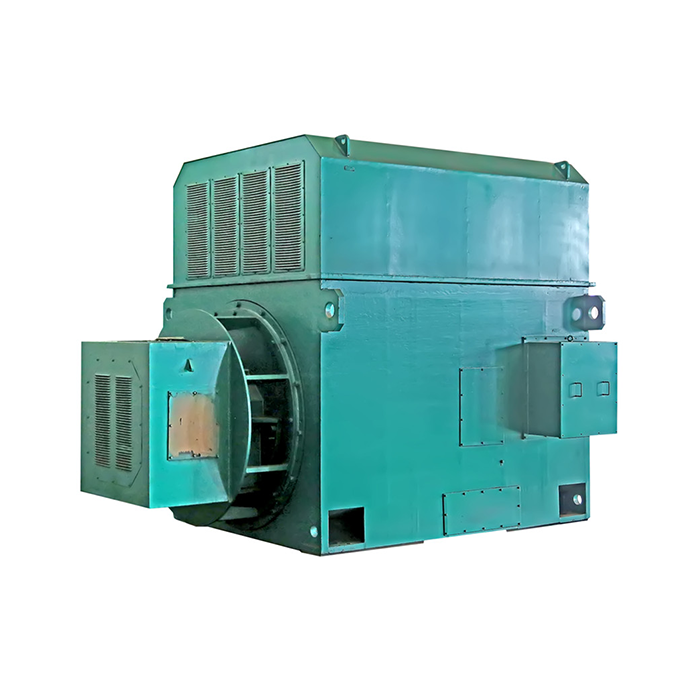
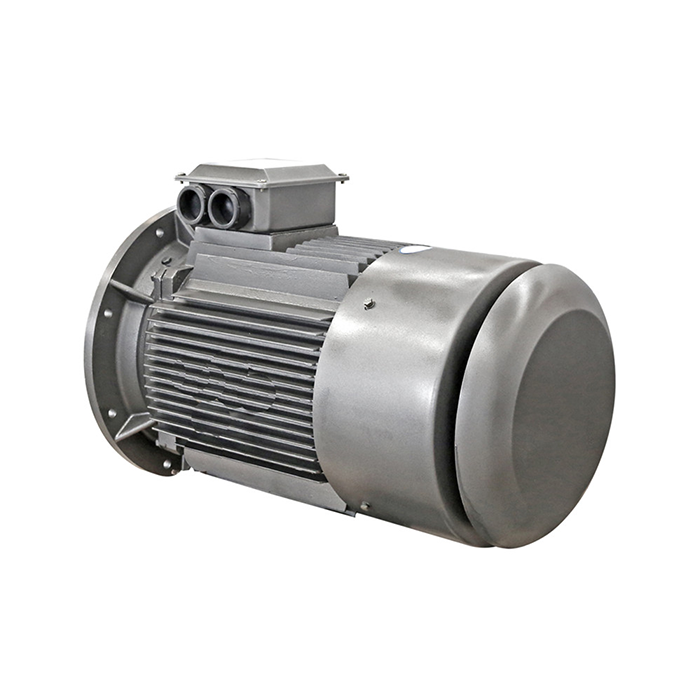
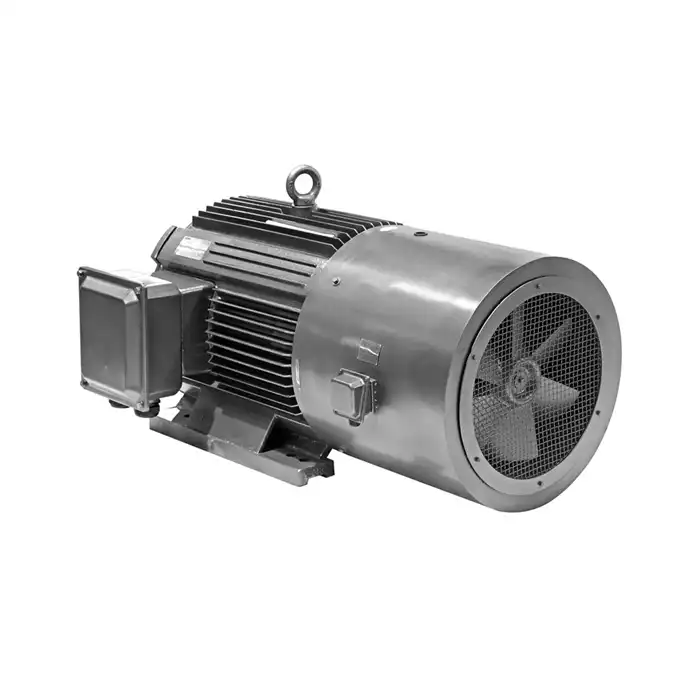
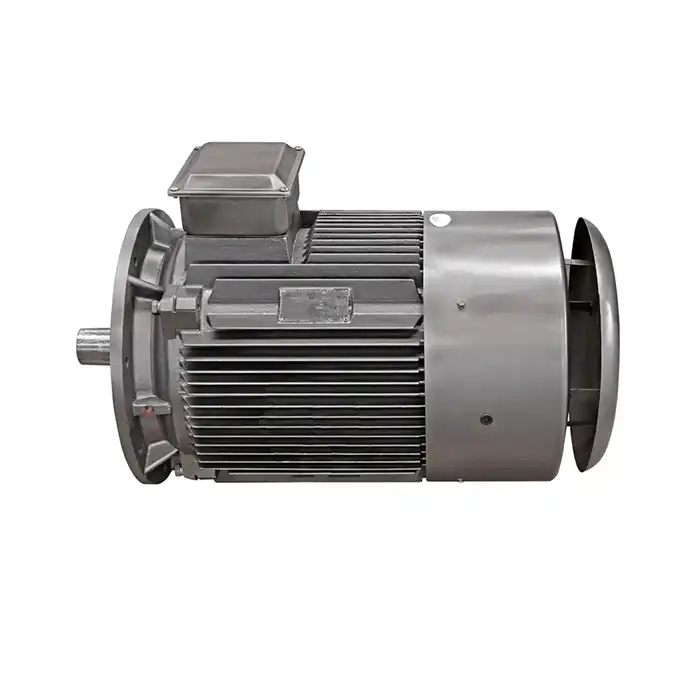
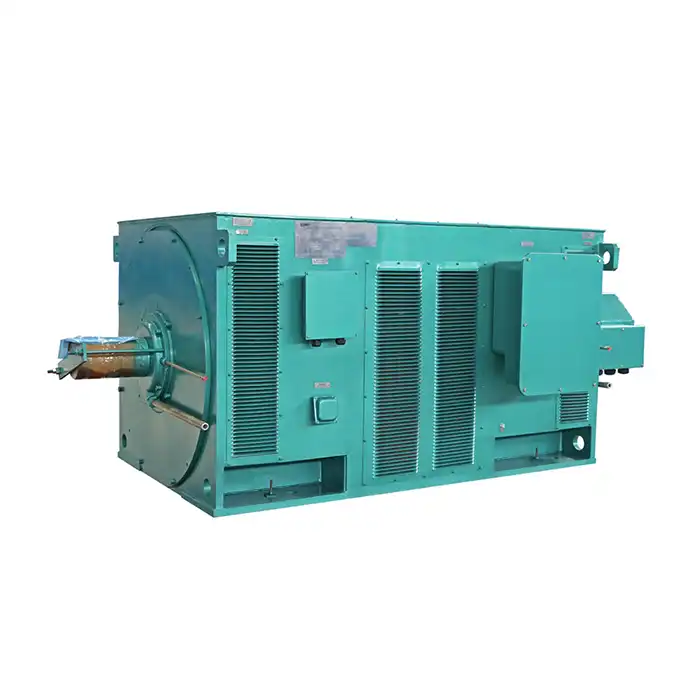
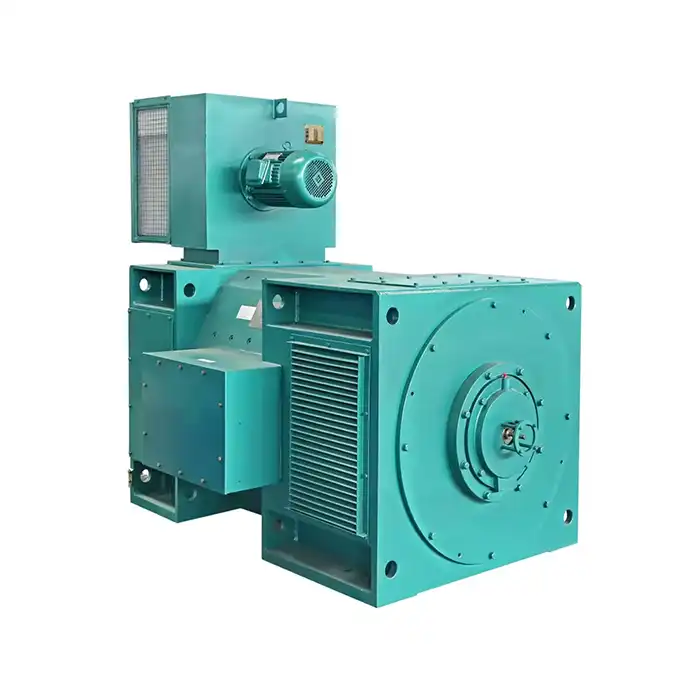
Series:YVFE3
Frequency conversion range:30hz~50hz,5hz~70hz,5hz~100hz
Power range:0.75-1000kW
Protection level:IP55
Application:are suitable for driving various mechanical equipment that require continuous and frequent forward and reverse rotation, such as steel rolling, lifting, transportation, machine tools, printing and dyeing, papermaking, chemicals, textiles, pharmaceuticals, etc., and can be used with various domestic and foreign variable frequency power supplies.
Advantage:high efficiency, wide speed range, high precision, stable operation, and easy operation and maintenance.
Certificate:installation dimensions comply with International Electrotechnical Commission (IEC) standards.
Others: SKF, NSK, FAG bearings can be replaced according to customer requirements.
Identifying Pump-Specific Demands for Inverter Duty Induction Motors
When selecting an inverter duty induction motor for pump applications, it's crucial to understand the unique demands of these systems. Pumps require motors that can handle varying loads, speeds, and operating conditions while maintaining optimal performance.
Load Characteristics
Pump loads regularly follow a quadratic torque-speed bend, meaning the torque required increments with the square of the speed. This characteristic requires engines able of giving adequate torque over a wide speed range.
Speed Range
Many pump applications require variable speed operation to alter stream rates and weight. Inverter obligation engines must be able to work productively at both low and high speeds, regularly extending from 10% to 100% of appraised speed.
Thermal Management
Pumps regularly work in challenging situations with changing surrounding temperatures. Inverter obligation engines require strong warm administration frameworks to avoid overheating, particularly when running at low speeds with decreased self-cooling.
Moisture and Contamination Resistance
Depending on the application, pump engines may be exposed to dampness, tidiness, or other contaminants. The best inverter obligation engines for pumps highlight improved separator frameworks and are designed to withstand these cruel conditions.
Performance Benchmarks for Inverter Duty Motors in Pump Systems
To identify the best inverter duty induction motor for pump applications, it's essential to establish clear performance benchmarks. These metrics help evaluate and compare different motor options based on their suitability for pump-specific requirements.
Energy Efficiency
Energy productivity is a basic calculate in pump engine determination. See for engines with tall proficiency appraisals over their whole working run, not fair at full stack. Premium productivity engines can essentially decrease vitality utilization and working costs over time.
Torque Performance
Evaluate the motor's capacity to convey steady torque all through its speed run. A great inverter obligation engine for pumps ought to keep up a moderately level torque bend, guaranteeing smooth operation and anticipating slowing down beneath shifting stack conditions.
Speed Control Accuracy
Precise speed control is basic for numerous pump applications. The best inverter obligation engines offer great speed direction, regularly inside ±0.5% of the set speed, indeed with fluctuating loads.
Vibration and Noise Levels
Low vibration and clamor levels are alluring in pump frameworks, especially in delicate situations. See for engines planned with progressed adjusting methods and clamor lessening highlights to minimize disruptions.
Thermal Performance
Assess the motor's capacity to disseminate warm successfully, particularly at moo speeds. Engines with progressed cooling frameworks, such as assistant fans or upgraded outline plans, frequently perform way better in requesting pump applications.
Reviewing Top Contenders for Pump-Optimized Inverter Duty Motors
When it comes to selecting the best inverter duty induction motor for pump applications, several options stand out in the market. Let's examine some of the top contenders and their key features that make them well-suited for pump systems.
High-Efficiency IE4 Motors
These engines offer prevalent vitality proficiency, regularly surpassing 96% at full stack. They highlight progressed attractive plans and low-loss materials to minimize vitality utilization over a wide speed extend, making them perfect for variable speed pump applications.
Severe Duty Motors
Designed for cruel situations, extreme obligation engines offer upgraded security against dampness, tidy, and chemicals. They ordinarily highlight cast press outlines, fixed heading, and uncommon cover frameworks, making them appropriate for challenging pump establishments in mechanical settings.
Cooling Tower Duty Motors
Specifically outlined for cooling tower applications, these engines offer amazing resistance to dampness and chemicals. They frequently incorporate highlights like stainless steel shafts, epoxy-coated windings, and fixed heading to withstand the requesting conditions of cooling tower pumps.
Validating Durability and Efficiency in Real-World Pump Operations
To truly determine the best inverter duty induction motor for pump applications, it's essential to evaluate their performance in real-world scenarios. This validation process helps ensure that the motor can withstand the rigors of actual pump operations while maintaining high efficiency and reliability.
Field Testing
Conduct extensive field tests in various pump applications to assess motor performance under different operating conditions. This includes evaluating factors such as:
- Start-up performance
- Speed control accuracy
- Thermal stability
- Vibration levels
- Energy consumption
Long-Term Reliability Studies
Implement long-term reliability studies to track motor performance over extended periods. This helps identify potential issues that may not be apparent in short-term tests, such as:
- Insulation degradation
- Bearing wear
- Efficiency changes over time
Energy Audits
Perform comprehensive vitality reviews to evaluate the genuine vitality reserve funds accomplished by diverse inverter obligation engines in pump frameworks. This information can be utilized to calculate return on speculation and approve effectiveness claims.
Selecting the Ultimate Inverter Duty Induction Motor for Your Pumps
Choosing the best inverter duty induction motor for your pump applications requires careful consideration of various factors. Here's a guide to help you make the optimal selection based on your specific needs.
Application-Specific Requirements
Start by clearly defining your pump system's requirements, including:
- Flow rate and pressure needs
- Speed range
- Operating environment
- Duty cycle
- Space constraints
Performance Matching
Compare the performance characteristics of different motor options with your application requirements. Look for motors that offer:
- Sufficient torque across the required speed range
- High efficiency at typical operating points
- Adequate thermal management for your environment
- Appropriate protection ratings (e.g., IP55 for dusty conditions)
Total Cost of Ownership Analysis
Consider the long-term costs associated with each motor option, including:
- Starting buy price
- Vitality utilization over the anticipated lifespan
- Upkeep necessities and costs
- Potential downtime and substitution costs
Compatibility with Existing Systems
Ensure the chosen engine is consistent with your current pump framework components, including:
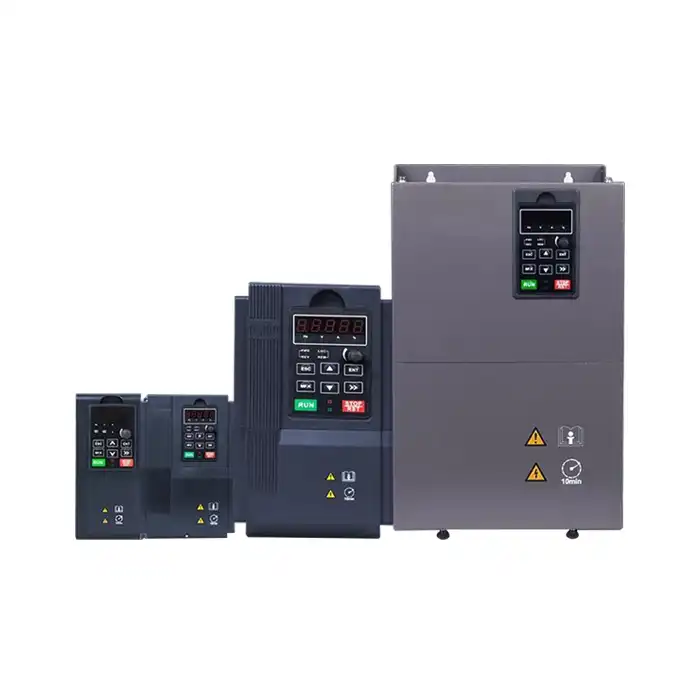
- Variable frequency drives (VFDs)
- Control systems
- Mechanical couplings
- Power supply
Future-Proofing Your Investment
Consider potential future changes in your pump framework prerequisites and select a engine that offers:
- Scalability for increased demand
- Adaptability to evolving efficiency standards
- Compatibility with emerging technologies (e.g., IoT connectivity)
Conclusion
Selecting the best inverter duty induction motor for pump applications is a critical decision that can significantly impact the performance, efficiency, and unwavering quality of your framework. By carefully considering the particular requests of pump operations, assessing execution benchmarks, and approving real-world execution, you can make an educated choice that optimizes your pump system's capabilities.
Remember that the perfect engine will adjust vitality effectiveness, strength, and execution to meet your interesting application prerequisites. As innovation proceeds to progress, remaining educated on the most recent improvements in inverter duty engine design will offer assistance guarantee your pump systems stay at the cutting edge of execution and efficiency.
FAQ
1. Q: What makes an inverter duty induction motor different from a standard induction motor?
A: Inverter duty induction motors are specifically designed to operate with variable frequency drives (VFDs). They feature enhanced insulation systems, improved cooling designs, and reinforced bearings to withstand the stress of variable speed operation and high-frequency voltage spikes associated with VFD use.
2. Q: How does an inverter duty motor improve pump system efficiency?
A: Inverter obligation engines permit exact speed control, empowering pumps to work at ideal productivity points based on shifting demand. This comes about in noteworthy vitality reserve funds compared to fixed-speed frameworks, particularly in applications with fluctuating stream requirements.
3. Q: What factors should I consider when sizing an inverter duty motor for a pump application?
A: Key variables to consider include the pump's control requirements over its working run, the wanted speed run, encompassing temperature, duty cycle, and any particular environmental considerations (e.g., humidity, cleanliness, or chemicals display). It's moreover vital to account for potential future capacity increments when measuring the motor.
Choose XCMOTOR for Your Inverter Duty Induction Motor Needs
When it comes to selecting the best inverter duty induction motor for your pump applications, XCMOTOR stands out as a reliable and innovative inverter duty induction motor supplier. Our motors are engineered to meet the demanding requirements of modern pump systems, offering exceptional efficiency, durability, and performance.
With years of experience in motor design and manufacturing, XCMOTOR provides customized solutions tailored to your specific pump applications. Our team of experts is ready to assist you in selecting the optimal motor for your needs, ensuring maximum productivity and energy savings.
Don't settle for less when it comes to your pump system's performance. Contact XCMOTOR today at xcmotors@163.com to discuss your inverter duty induction motor requirements and experience the difference that quality engineering can make in your operations.
References
1. Smith, J. (2022). Advances in Inverter Duty Motor Design for Pump Applications. Journal of Electric Machines and Drives, 15(3), 245-260.
2. Johnson, A., & Brown, R. (2021). Energy Efficiency in Variable Speed Pump Systems: A Comparative Study. International Journal of Fluid Machinery and Systems, 9(2), 112-128.
3. Miller, T. (2023). Thermal Management Strategies for Inverter Duty Motors in Industrial Pumps. IEEE Transactions on Industry Applications, 59(4), 3215-3230.
4. Garcia, M., et al. (2022). Long-term Reliability Assessment of Inverter Duty Induction Motors in Harsh Environments. Reliability Engineering & System Safety, 218, 108145.
5. White Paper: Selecting the Right Motor for Variable Speed Pump Applications. (2023). American Society of Mechanical Engineers (ASME).
6. Lee, K., & Park, S. (2021). Performance Optimization of Inverter-Fed Induction Motors for Centrifugal Pump Systems. Energy Conversion and Management, 235, 113996.