



Best 4160V Motors for Heavy Duty Applications in 2026
Industrial professionals require reliable power solutions that operate well under pressure when searching for the best 4160V motors for heavy-duty applications in 2026. Advanced innovation and proven endurance make the optimum 4160V motor vital for manufacturing, energy generation, and process control applications when downtime isn't an option.

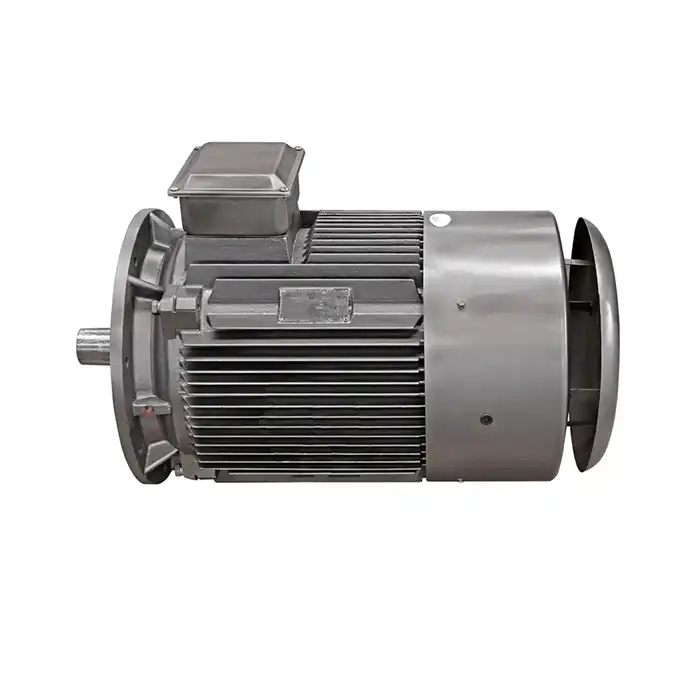
Voltage range:3000V±5%,3300V±5%,6000V±5%,6600V±5%,10000V±5%,11000V±5%
Power range:200-6300 kW
Application:fans, water pumps, compressors, crushers, cutting machine tools, transportation machinery, etc.
Advantage:low noise, low vibration, long service life, easy installation and maintenance.
Standard: This series of products complies with JB/T 12730 and JB/T 12729 standards.
Others: SKF, NSK, FAG bearings can be replaced according to customer requirements.
Introduction
Rapid industrial automation requires more advanced motor solutions for heavy-duty applications. Automotive production, petrochemical processing, and renewable energy generation face new manufacturing efficiency, energy management, and operational reliability issues in 2026. Modern industry relies on 4160V high-voltage motors. These strong devices power enormous water pumps in treatment facilities and precision compressors in factories. Motor technology selection affects operational costs, maintenance schedules, and manufacturing efficiency.
The market is demanding motors with strong starting torque and little noise. Industries globally prioritize equipment that lasts and performs well under different loads. Environmental restrictions encourage manufacturers to use more energy-efficient technologies without sacrificing power output. Advanced bearing technology, insulation systems, and cooling strategies have changed heavy-duty motor applications. Modern 4160V systems must withstand rigorous operating conditions and adapt to industrial needs.
Why Focus on Advanced Motor Technology for Industrial Applications?
Reliable Power Transmission Systems Matter
Reliable power transmission systems that work under difficult situations are crucial to manufacturing excellence. The automotive, aerospace, electronics, and food processing industries need motors with precise control and high power.
Superior Thermal Management Benefits
Motors with good heat management are ideal for process control. Even tiny performance fluctuations might affect production lines when regulating pumps, valves, and compressors in key industrial processes. Power equipment reliability affects operational efficiency and cost management.
Demands for Robotics and Automation
Robotics and automation systems require motors that respond rapidly to control signals and run smoothly over long duty cycles. The precision of current automated manufacturing processes requires power solutions with great torque and low vibration and noise.
Selection Criteria for Optimal Performance
Multiple performance criteria that affect operational success must be considered while evaluating motor solutions, including the 4160V motor. Price-to-performance ratios must include upfront investment costs and long-term operational expenditures like energy and maintenance.
Key performance traits
Starting torque, thermal management, and efficiency ratings determine a motor's performance in specific applications. Local replacement parts and technical assistance greatly affect the motor's lifetime cost of ownership.
The Value of Customer Feedback
Customer feedback from industrial installations reveals real-world performance under different operating situations. Protection ratings, voltage flexibility, and cooling system design must match application and environmental circumstances.
Suitability Evaluation and Integration
Motor specs, load characteristics, duty cycle requirements, and installation constraints are compared for suitability. Integration possibilities with current control systems and protective equipment affect industrial application selection.
YKS Series High-Performance Solutions
Advanced Engineering for Demanding Applications
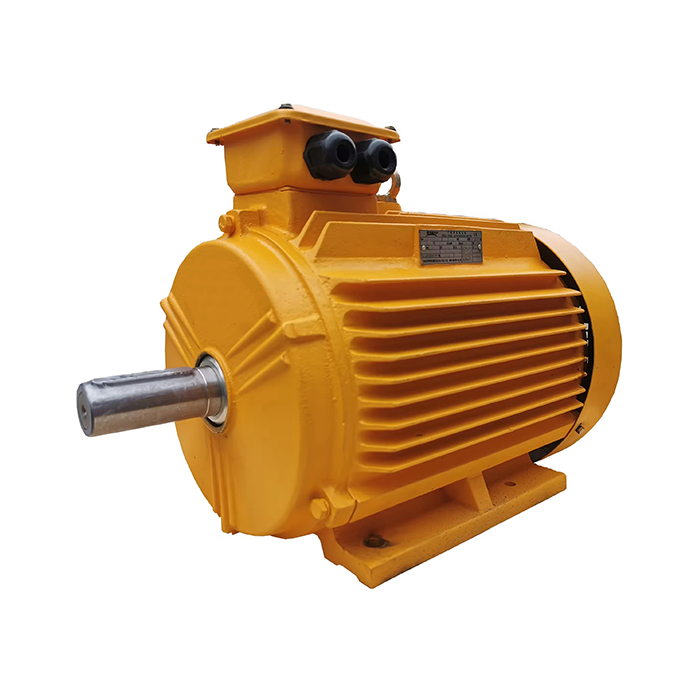
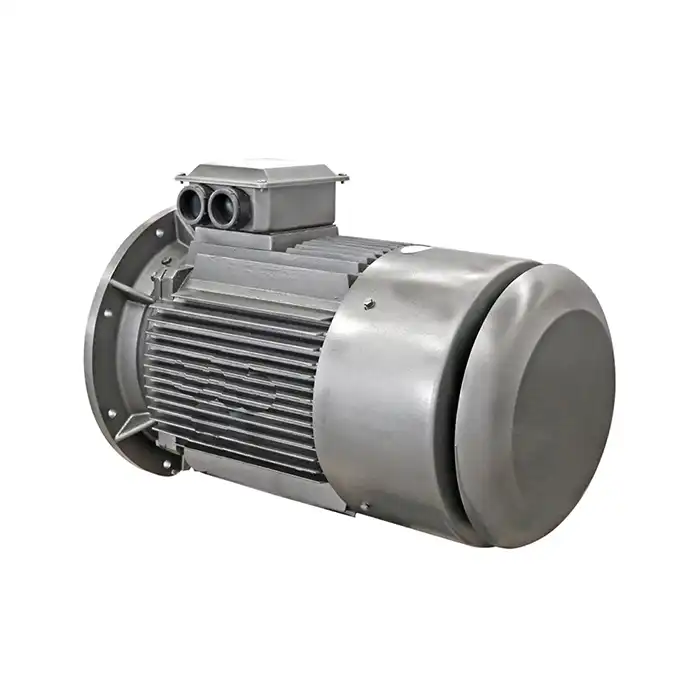
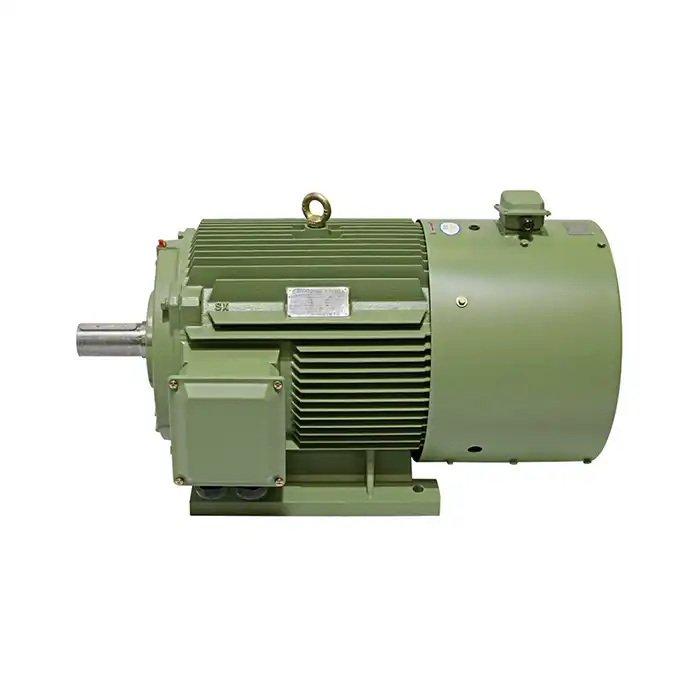
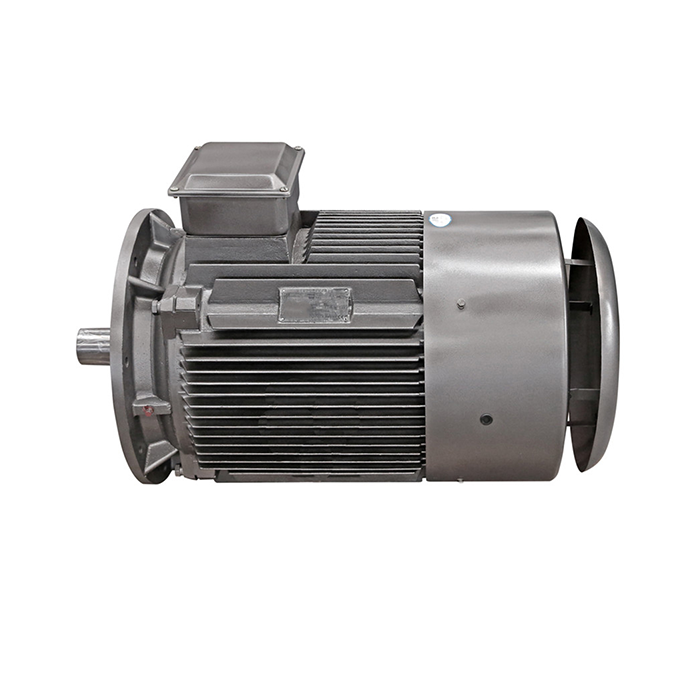
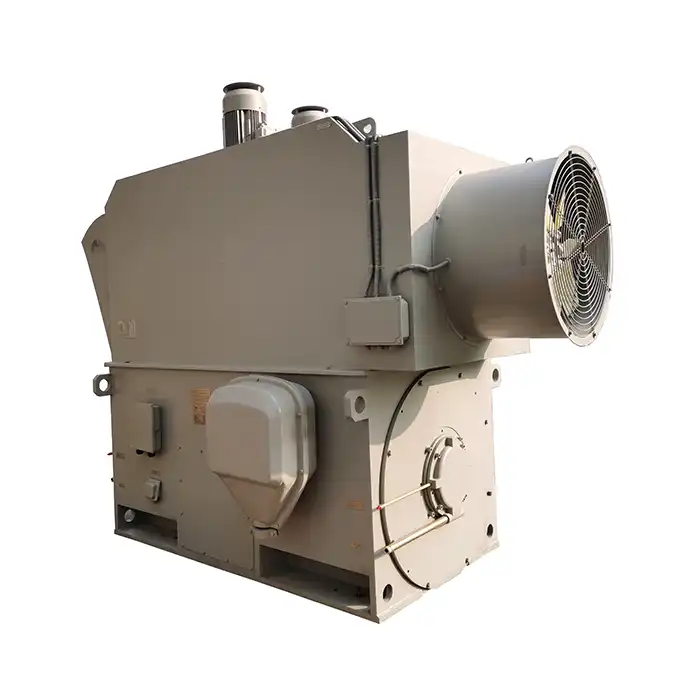
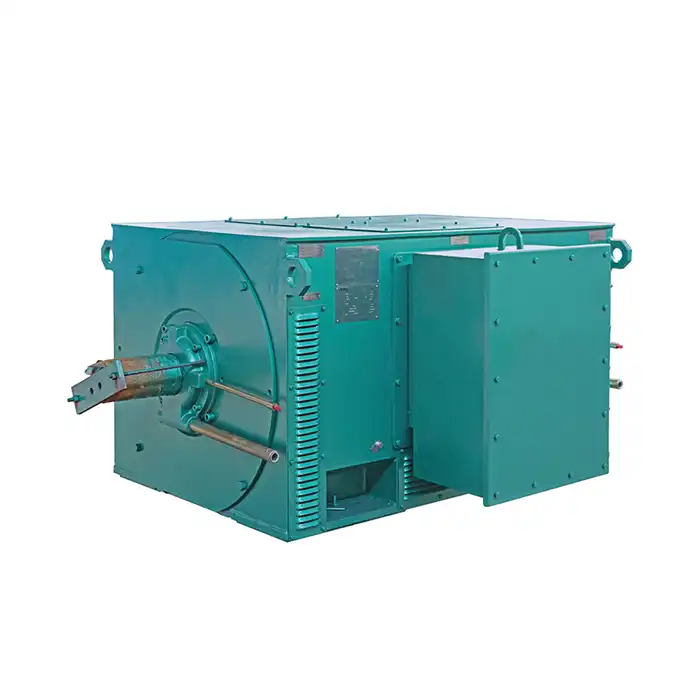
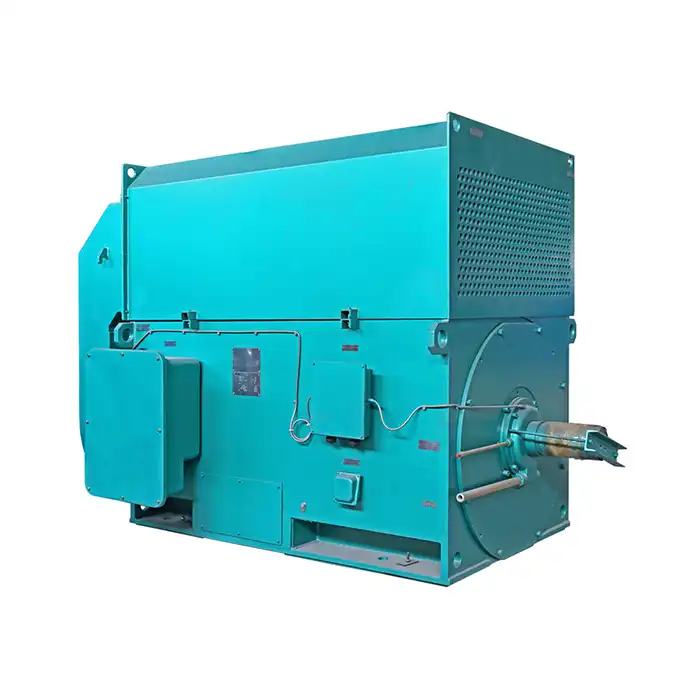
The YKS series offers complete motor technology for large industrial applications that require reliable high-voltage power. These devices are precision die-cast to provide structural integrity and dimensional correctness under harsh operating circumstances. Operating voltage flexibility is 3000V to 11000V with tight tolerance control, suiting industrial power distribution systems. Moderate-duty process equipment to large-scale industrial machines requiring high torque output are covered by the 220 kW to 6300 kW power range. Protection class IP54 guarantees reliable operation in manufacturing facilities with dust, moisture, and temperature changes. The insulating system uses Class F materials with Class B temperature increase, improving safety margins and operational life in harsh thermal conditions.
Advanced bearing systems satisfy client manufacturer preferences while retaining performance. The optimized rotor design decreases energy consumption and improves torque delivery from 500 to 3000 rpm. Cooling system design uses ICW37 to dissipate heat continuously. Precision balance and superior magnetic design reduce electromagnetic noise and vibration. Modular design simplifies installation and maintenance, reducing service downtime. In severe industrial locations where equipment runs continually, the sturdy construction employing high-grade materials provides long-term reliability.
Technical Excellence and Compliance Standards
Standards like GB/T 1032 and GB/T 13957 promote quality consistency and international industrial interoperability. To ensure performance consistency, the manufacturing process includes strict quality control. Advanced winding technique reduces heat losses and boosts electrical efficiency. To ensure real-world reliability, performance, durability, and safety tests are performed. Thermal performance improvement permits consistent operation under different loads without electrical or mechanical failure. The enhanced electromagnetic architecture provides great starting torque and smooth performance at all speeds.
Market Characteristics and Global Applications
Reliable power solutions that interface with current control systems are in demand globally in industrial automation. The automotive, aerospace, electronics, and food processing industries need motors, such as the 4160V motor, with accurate speed and torque control.
Air Conditioning and Refrigeration
Continuous-operation motors with variable load characteristics help HVAC and refrigeration applications. Climate control systems in homes and businesses need reliable electricity and energy efficiency to meet environmental criteria.
Energy and Utility Use
Energy and utilities use high-voltage motors for power generation, renewable energy, and water treatment. These installations require technology that runs continuously with minimal maintenance for long periods.
Different industries have different needs
The transportation, agriculture, and healthcare industries have different motor performance requirements. Airlines, railroads, and shipping companies need reliable power solutions that fulfill safety criteria in different environmental situations.
Motor Selection Variations by Region
Electrical standards, environmental laws, and maintenance infrastructure availability determine regional preferences. Understanding these variances optimizes motor selection for geographic markets and applications.
Applications Across Diverse Industries
Manufacturing and Process Control
Manufacturing fans and ventilation systems need motors that can run continuously and maintain airflow. Water pumps need consistent starting torque and efficient operation across daily and seasonal flow requirements. Motors with good heat management and torque delivery are ideal for compressors. For efficient material processing, crushers and cutting machine tools need high starting torque and precise speed control. Transportation machinery like conveyors and material handling equipment needs motors that respond rapidly to control signals and run smoothly. These applications generally exceed commercial motor dependability standards.
Energy and Utilities Integration
High-voltage motors power cooling pumps, fuel handling systems, and pollution control equipment in power plants. Continuous functioning with little maintenance is needed for these applications. Renewable energy installations like wind and solar need motors for tracking, cooling, and power conditioning. Motor selection is crucial in distant installations due to reliability requirements. Motors power pumping, mixing, and filtration equipment in water treatment and distribution systems. These continuous applications require motor performance flexibility due to fluctuating load characteristics.
Purchasing Recommendations and Considerations
Application-Specific Requirements Evaluation
Effective motor selection needs careful consideration of application-specific criteria such load characteristics, ambient conditions, and maintenance infrastructure. Consider long-term operational costs including energy usage, maintenance, and service life while investing.
The Value of Voltage Compatibility
Electrical infrastructure voltage compatibility affects installation costs and operational flexibility. Starting, ongoing operation, and capacity increase must be considered when calculating power requirements.
Protecting the Environment
Installation location, dust, moisture, temperature, and chemical pollutants determine environmental protection needs. Selecting the right protection class provides reliable operation and little maintenance.
Bearing Selection Effect
Bearing choice impacts maintenance and reliability. We should accommodate customer requests for individual bearing manufacturers while preserving performance criteria and replacement component availability.
Support Infrastructure Impact
The motor's lifetime total cost of ownership depends on support infrastructure including local service, replacement parts, and technical experience. These criteria are crucial for essential applications where downtime directly affects productivity.
Industry Trends and Summary
Increasing Industrial Motor Technology Evolution
As manufacturers seek competitive advantages through lower operational costs and higher dependability, industrial motor technology, including the 4160V motor, is becoming more efficient. Motor technology progress is driven by advanced materials, precision production, and control integration.
Environmental Regulations' Effect
Environmental standards worldwide demand more efficient power solutions that decrease energy usage and preserve performance. These laws require manufacturers to innovate and use technology that boost efficiency without reducing output.
Integration of Smart Monitoring Systems
The integration of smart monitoring systems allows predictive maintenance to optimize equipment availability and reduce unexpected downtime expenses. Data analytics and real-time monitoring help firms prevent maintenance issues from disrupting operations.
Conclusion
Performance, environmental circumstances, and long-term operating goals must be considered when choosing motor technology for heavy-duty industrial applications. Success in difficult industrial contexts requires superior engineering, reliability, and complete support infrastructure. The quest for more efficient and reliable power solutions drives motor design and manufacturing innovation. Understanding application-specific needs and matching them with relevant technology assures equipment performance and cost-effectiveness throughout its life. Quality motor technology reduces maintenance costs, boosts efficiency, and extends equipment life. Long-term value, infrastructure compatibility, and expansion needs should guide the decision process.
Frequently Asked Questions
1. What voltage ranges are available for heavy-duty industrial applications?
Modern high-voltage motors can handle 3000V, 3300V, 4160V, 6000V, 6600V, 10000V, and 11000V with tight tolerance. It can integrate with many power distribution systems used in industrial buildings globally.
2. How do protection ratings affect motor selection for industrial environments?
IP54 and IP55 ratings indicate the motor's dust, moisture, and environmental contaminant resistance. High protection ratings improve durability in severe situations but may reduce cooling efficiency and maintenance accessibility.
3. What power ranges are suitable for different industrial applications?
Power requirements vary by application, from 220 kW for moderate-duty equipment to 6300 kW for major industrial machines. Load characteristics, duty cycle, and expansion plans affect power choices.
Partner with XCMOTOR for Reliable Industrial Power Solutions
XCMOTOR provides 4160V motor solutions for demanding manufacturing, energy, and process control applications. Our high-voltage power equipment knowledge optimizes crucial operations. As a trusted 4160V motor manufacturer, we provide customized solutions with premium bearings, advanced cooling systems, and compliance with international standards. Please contact xcmotors@163.com to discuss your needs and receive expert application advice.
References
1. IEEE Standards Association. "IEEE Standard Test Procedure for Polyphase Induction Motors and Generators." Institute of Electrical and Electronics Engineers, 2023.
2. International Electrotechnical Commission. "Rotating Electrical Machines - Part 1: Rating and Performance Standards." IEC Publication 60034-1, 2022.
3. National Electrical Manufacturers Association. "Motors and Generators Standards Publication." NEMA Standards MG 1-2021, Rosslyn, VA, 2021.
4. Johnson, Robert M., and Sarah Chen. "High Voltage Motor Applications in Industrial Automation." Industrial Power Systems Journal, vol. 45, no. 3, 2024, pp. 78-92.
5. Anderson, Michael K. "Energy Efficiency Standards for Industrial Motor Applications." International Journal of Electrical Engineering, vol. 28, no. 2, 2023, pp. 156-171.
6. Wilson, Patricia L., et al. "Reliability Assessment of High Voltage Motors in Process Industries." Mechanical Engineering Applications Review, vol. 67, no. 4, 2024, pp. 203-218.