



Medium Voltage Electric Motors Guide for Buyers 2026
Choosing the right medium voltage electric motors can make your business much more efficient and cut your costs by a large amount over time. The procurement professionals face new problems, medium voltage electric motors such as stricter rules about the environment and unknowns in the supply chain. This makes choosing an informed motor more important than ever. You can learn everything you need to know about MV motors in this detailed guide, from the basics of technology to smart ways to buy them. This will help you make smart buying decisions that fit your needs and your budget.

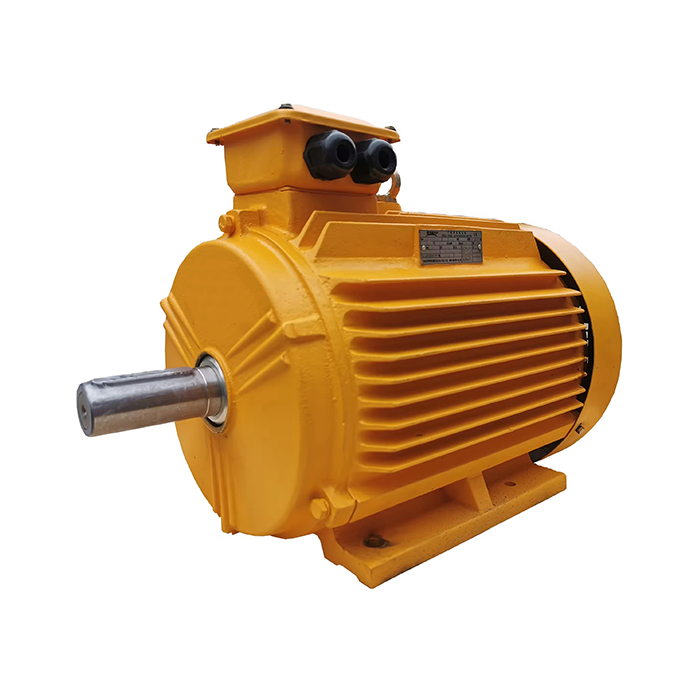
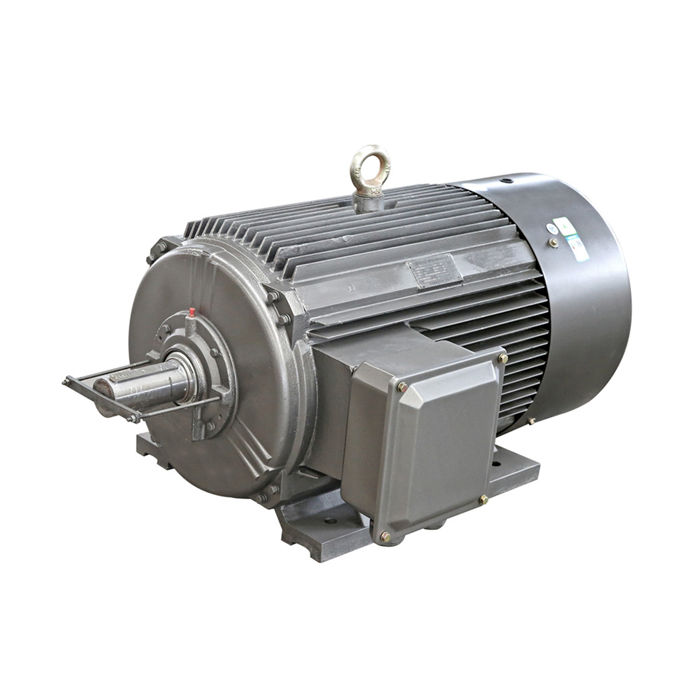
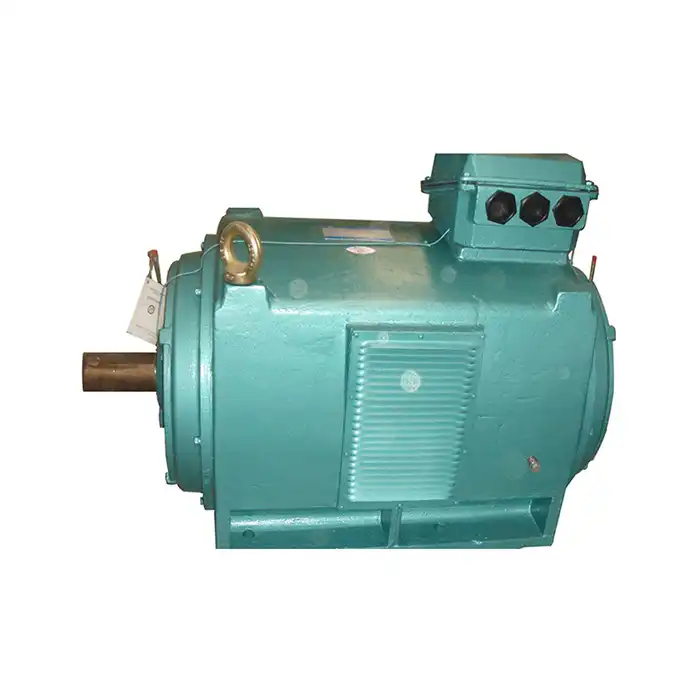
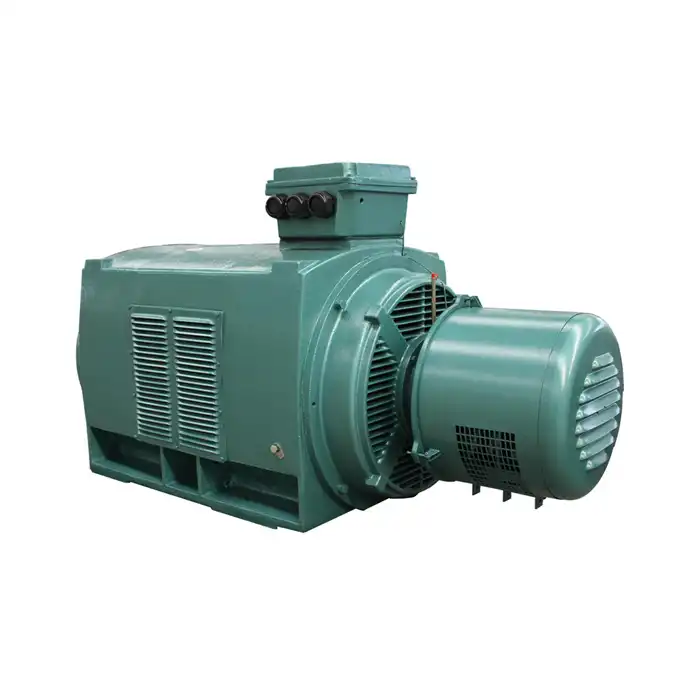
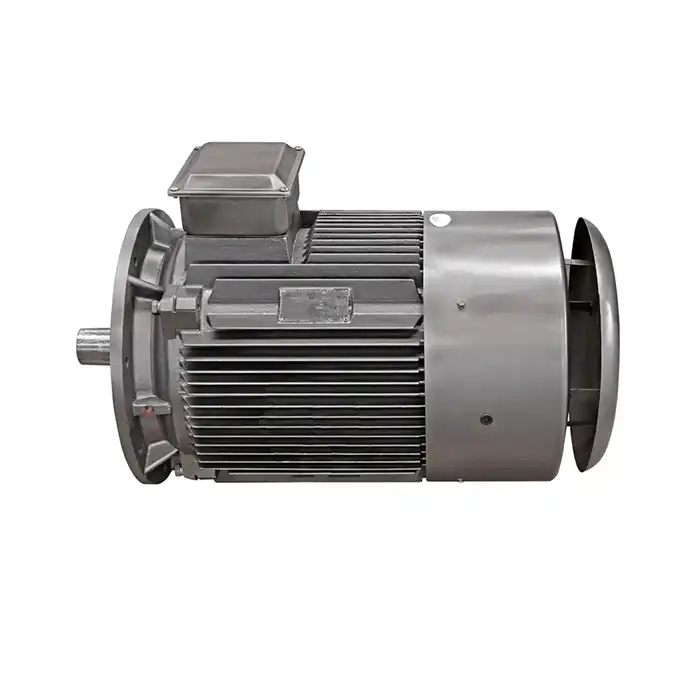
Series:YBBP-HV
Voltage range:3000V±5%,3300V±5%,6000V±5%,6600V±5%,10000V±5%,11000V±5%
Power range:185-1800 kW
Application:compressors, water pumps, crushers, cutting machine tools, transportation machinery.
Advantage: wide modulation range, high efficiency and energy saving, low noise, long life, high reliability.
Others: SKF, NSK, FAG bearings can be replaced according to customer requirements.
Understanding Medium Voltage Electric Motors: Basics and Applications
Defining Voltage Categories and Motor Classifications
Medium voltage motors usually work with voltages between 1kV and 35kV, which puts them between low voltage units (below 1kV) and high voltage systems (above 35kV). In real industrial settings, most requests for purchases are for motors that work at voltages between 3kV and 11kV. This is because these voltages are standard for industrial power distribution networks in factories, mines, and utility installations.
Why Industries Choose MV Solutions
Medium voltage motors have benefits that go beyond just delivering power. Energy efficiency is very high for these units; they often get power factors between 0.85 and 0.92. This means they use less electricity and cost less to run. Because they are built to last, they can handle harsh industrial environments like the dusty air in cement plants and the corrosive conditions in chemical processing plants. One MV unit can replace several low-voltage alternatives, which cuts down on both downtime and labor costs. Maintenance needs are also much lower than with multiple smaller motors.
Real-World Application Scenarios
Our YAKK series motors show this versatility in a number of different fields. Our 1500 kW, 6.6kV unit was recently installed in an aerospace manufacturing plant to power precise cooling systems that keep temperatures within strict limits while composite materials cure. Precision balancing and high-quality SKF bearings make the motor very low in vibration, which keeps the delicate manufacturing processes from being harmed. Our 800 kW units are used continuously by another client in the food processing industry for refrigeration compressors. The energy-efficient design cuts their annual electricity costs for medium voltage electric motors by about 18% compared to their old motor setup.
How Medium Voltage Electric Motors Work and Their Technical Features
Electromagnetic Operating Principles
Through electromagnetic induction, medium voltage motors turn electrical energy into mechanical rotation. A rotating magnetic field is made when three-phase AC current flows through the stator windings. The rotor's currents are set off by this field, which makes its own magnetic field. When these fields interact, torque is created, which turns the rotor. The level of voltage determines the winding configuration and insulation needs. For example, higher voltages require more complex insulation systems and careful spacing of conductor turns to handle electrical stress.
Cooling Systems and Insulation Standards
Effective thermal management is what separates motors that work well from those that break down often. Air-cooled designs use fans inside or outside the motor housing to move cool air through it. These designs are simple and require less maintenance. The effectiveness of cooling depends on the environment and the amount of space around the installation site that is left for air flow. Our motors have carefully planned air passages that help heat escape while making as little noise as possible. The type of insulation has a direct effect on how long a motor lasts and how well it works. Class F insulation can work continuously at temperatures up to 155°C, and Class H insulation can do the same thing up to 180°C. Our YAKK series motors have either Class F or H insulation, depending on the needs of the application. When Class F insulation is used, the temperature rise is limited to Class B levels (80°C). This conservative thermal design gives you a lot of safety margins, which increases the life of the insulation and lowers the chance that it will fail in tough situations. We use a vacuum pressure impregnation process to make sure that the resin goes all the way through the winding structure. This gets rid of any air pockets that could cause partial discharge and insulation to break down too soon.
Motor Type Categories and Their Applications
The most common type of motor for general-purpose use is the squirrel cage induction motor. They are built to last and are simple and tough, so they don't need much maintenance and work reliably at a wide range of speeds. These motors work well in places like pumps, fans, and conveyors where the starting torque needs to be moderate, and the duty cycle is continuous. Motors with wound rotors are better at controlling starting torque and changing speed, which makes them good for heavy loads like crushers and ball mills. Synchronous motors let you precisely control the speed and can work at leading power factors, which helps raise the overall power factor of the plant and lowers the amount of money you have to pay for utility demand charges.
Comparing Medium Voltage Electric Motors: Features, Efficiency & Brands
Voltage Level Trade-offs in Motor Selection
There are a lot of things to think about when choosing between low, medium, and high voltage motors. Low-voltage motors (below 1kV) have easier control systems and lower start-up costs, but they can't be used for power levels above 500 kW because they need too much current and the cables are too expensive. Medium voltage units handle power ranges from 200 kW to several megawatts efficiently, making the best use of conductor sizes and reducing distribution losses across facility power networks. High-voltage motors are used in specific situations that need a lot of power, but they need complex switchgear and maintenance skills that are unique to those situations.
Cooling Method Comparison and Selection Criteria
It's easy to install and maintain motors that are cooled by air. They do their best work in clean places with good air flow and comfortable temperatures. Maintenance includes checking the fans and cleaning the cooling passages on a regular basis. The cost of doing business stays low because there are no extra cooling systems that need power. But performance drops in places with high temperatures or a lot of dust, where airflow is hard to maintain.Designs that are filled with oil work best in harsh conditions where moisture, dust, or other corrosive substances could damage the motor. The oil helps the heat move better and keeps the inside parts from getting dirty from the environment. These motors are good for places outside, near the coast, where salt spray is common, or chemical plants with harsh environments. The trade-off is higher initial costs, regular oil sampling and replacement, and the possibility of oil leaks causing damage to the environment. Our air-cooled YAKK series motors have advanced cooling passage designs that spread heat as efficiently as possible in medium voltage electric motors while keeping the size small. This makes them perfect for most industrial uses where the environment stays normal.
Evaluating Manufacturer Capabilities and Support
When looking at motor suppliers, we've seen that good partnerships last longer than just buying equipment. Quality control in manufacturing starts with choosing the right materials and continues through precise machining, winding, and assembly. Computer-aided design makes sure that the electromagnetic performance is at its best, and thorough testing at every stage of production finds problems before they reach customers. As part of our quality control process, we check the materials, check the dimensions as they're being made, test the electrical performance of finished windings, and make sure the whole thing works before sending it out. Each motor is tested both with and without a load to make sure that its efficiency, temperature rise, vibration levels, and noise levels meet the requirements.
Procurement Guide for Medium Voltage Electric Motors in 2026
Critical Selection Parameters for Your Application
The power rating is the starting point for choosing a motor, but there are other things that affect the choice. Depending on the duty cycle, the specification can be for continuous, intermittent, or frequent start-stop operation. A pump that runs all the time needs a different thermal design than a crusher that only works sometimes. Motor design should match the characteristics of the mechanical load. For example, high-speed applications (3000 rpm) work best with centrifugal loads like fans and pumps, while low-speed designs (750 rpm) work best with high-torque applications like mills and conveyors. For a wide range of applications, our YAKK series offers speed options that can be changed, such as 3000, 1500, 1000, and 750 rpm. The requirements for protection classes are based on the environment. Installations inside clean areas might only need IP55 protection, but applications outside or that will be washed down need IP65 or higher ratings. Our motors have different levels of protection that can be changed to fit the conditions of your site. The starting torque and current must match the needs of the driven equipment and the power supply's capabilities. Our motors can handle full load torques of up to 150% of their rated values and starting currents that are 5 to 7 times their rated current. This makes them reliable for demanding applications.
Understanding 2026 Market Pricing and Lead Times
The prices of motors in 2026 are affected by a number of market factors. The prices of raw materials, especially copper, steel, and certain types of insulation materials, continue to affect base prices. The supply chain is more stable now than it was in the past few years, but procurement professionals should still expect lead times of 8 to 16 weeks for standard configurations and 12 to 20 weeks for custom designs. Rush orders may be possible, but there will be extra fees. The level of voltage and power has a big effect on the price. Higher specifications mean higher costs because they require more complex manufacturing and use more materials. Our YAKK series has options that balance performance needs with budget limitations. It ranges from 200 to 3550 kW, and the voltage ranges from 3kV to 11kV. Warranty terms should be carefully thought through. Standard warranties usually last for 12 to 24 months from the date of commissioning or 18 to 30 months from the date of shipment, whichever comes first. Coverage should include problems with the materials and the work that was done, but it should also be clear what is not covered, like bad installation, using the product beyond its limits, or not maintaining it properly. For important applications where downtime can have bad results, extended warranty options may be available.
Procurement Channels and Customization Options
There are several ways for industrial buyers to get motors. Direct relationships with medium voltage electric motors manufacturers allow for technical collaboration and customization, but they may require larger minimum orders. Authorized distributors keep common configurations in stock in their own areas, deliver them faster, and offer technical support in the region. Online industrial platforms like motorxc.com let you compare specs and find your first supplier, but for more complicated jobs, you should also get direct technical advice. We serve our customers through all of these channels, and our engagement model can be changed to fit your project needs and preferences. When standard offerings don't perfectly meet application needs, suppliers who offer customization stand out. Our YAKK series can be changed to fit non-standard voltage levels (between 3kV and 11kV), special shaft configurations for specific coupling needs, custom mounting arrangements, and your choice of bearing brands (SKF, NSK, or FAG) based on your maintenance program. By talking about customization needs early on in the procurement process, you can avoid having to make expensive changes or give up performance later on.
Future Trends and Innovations in Medium Voltage Electric Motors
Smart Motor Systems and Digital Integration
Motors that can send operational data to larger facility management systems are becoming more and more important in industrial settings. Real-time monitoring of temperature, vibration, and electrical parameters is done by embedded sensors, which send this data through industrial communication protocols. Trending data is used by predictive maintenance algorithms to predict problems with the cooling system, bearing wear, or insulation degradation before they happen. This change from reactive to predictive maintenance cuts down on unplanned downtime and makes the best use of maintenance resources. Our current YAKK series focuses on mechanical and electrical reliability that has been tested and proven. However, we are working hard to add sensor integration options to meet the growing demand for equipment that is connected.
Material Science Advances in Insulation and Efficiency
New types of insulation promise better thermal performance and longer service life. Nano-composite resins have better dielectric strength and thermal conductivity, which means they can either hold more power or be more reliable. New types of magnetic steel lower core losses, which makes the motor more efficient, especially when it's only partially loaded, which is how many motors work for most of their life. These new materials gradually make things work better without needing big changes to how they're made, so they'll be easy to use as soon as they can be sold.
Environmental Regulations and Sustainability Priorities
More and more, regulatory frameworks require industrial motors to meet higher minimum efficiency standards. According to the U.S. Department of Energy, efficiency rules are still being worked on, which is pushing manufacturers to make designs that are as efficient as possible. In addition to following the rules, companies that care about the environment also buy equipment that uses less energy and has less of an impact on the environment. Current efficiency standards are already met by our YAKK series motors, which are made with high-quality materials, an optimized electromagnetic design, and precise manufacturing. The design itself saves energy, so the building uses less electricity, which helps with both cost-cutting and environmental goals.
Conclusion
In 2026, choosing medium voltage electric motors means finding the right balance between technical performance, reliability, cost, and the supplier's capabilities. The fundamentals remain the same: ensure the motor specifications match the application requirements, prioritize high-quality construction and materials, and partner with suppliers that provide strong technical support. These principles are reflected in our YAKK series motors, which are designed for demanding industrial environments, offering power outputs from 200 to 3550 kW and voltage ranges from 3kV to 11kV. Advanced manufacturing processes, customization capabilities, and comprehensive service are what distinguish suppliers who truly meet customer needs from those who simply provide equipment.
FAQ
1. How long do medium voltage motors typically last in industrial conditions?
The operating conditions, quality of maintenance, and load characteristics have a big impact on how long a motor lasts. Motors that are well taken care of and used in controlled environments usually last between 20 and 30 years. Motors that are used in harsh conditions or that don't get enough maintenance may need to be replaced or given a major overhaul every 10 to 15 years. Regular testing of the insulation, lubrication of the bearings, and monitoring of the temperature all greatly increase the service life.
2. What determines the appropriate insulation class for my application?
When choosing an insulation class, you need to think about the temperature there now, how much it's going to rise, and how safe you want to be. Higher insulation classes (Class H) are better for places where it is hot, there isn't much air flow, or there are frequent overload conditions. Class F insulation is usually used in standard industrial settings. Our YAKK series comes in two types, Class F and H. Both have conservative thermal designs that work below the maximum insulation temperature ratings.
3. Should I choose air-cooled or oil-filled motors for my facility?
Motors that are cooled by air work well in most industrial settings where the environment stays reasonable, and cleaning can be done regularly. They are easier to use and don't need as much maintenance. Oil-filled designs work best in very harsh conditions with a lot of moisture, dust, or corrosive contaminants. The extra complexity and cost are worth it for the longer reliability.
Partner with XCMOTOR for Your Medium Voltage Motor Needs
We at XCMOTOR (Shaanxi Qihe Xicheng Electromechanical Equipment Co., Ltd.) know that medium voltage electric motors' industrial operations need more than just equipment. They also need partnerships that they can count on to help them succeed. Our YAKK series medium voltage electric motors have been tested and shown to work well in ventilators, compressors, water pumps, crushers, and transportation equipment. They are also fully compliant with GB 10068 and come with full quality assurance. We offer solutions that can be changed to fit your exact needs, and our technical support is available before and after you buy. Our team is ready to help you find the best medium voltage electric motors supplier for your needs, whether you're starting a new project or replacing old equipment. You can email us at xcmotors@163.com or go to motorxc.com to talk about your needs and find out how our power equipment solutions can help you run your business more efficiently.
References
1. IEEE Standard 112-2017, IEEE Standard Test Procedure for Polyphase Induction Motors and Generators, Institute of Electrical and Electronics Engineers, New York, 2017.
2. Stone, G.C., Boulter, E.A., Culbert, I., and Dhirani, H., Electrical Insulation for Rotating Machines: Design, Evaluation, Aging, Testing, and Repair, Second Edition, IEEE Press, Hoboken, 2014.
3. Bonnett, A.H., and Yung, C., "Increased Efficiency Versus Increased Reliability," IEEE Industry Applications Magazine, Volume 14, Issue 1, 2008.
4. National Electrical Manufacturers Association, NEMA MG 1-2016: Motors and Generators, Rosslyn, Virginia, 2016.
5. Chapman, S.J., Electric Machinery Fundamentals, Fifth Edition, McGraw-Hill Education, New York, 2012.
6. Beaty, H.W., and Fink, D.G., Standard Handbook for Electrical Engineers, Seventeenth Edition, McGraw-Hill Professional, New York, 2018.