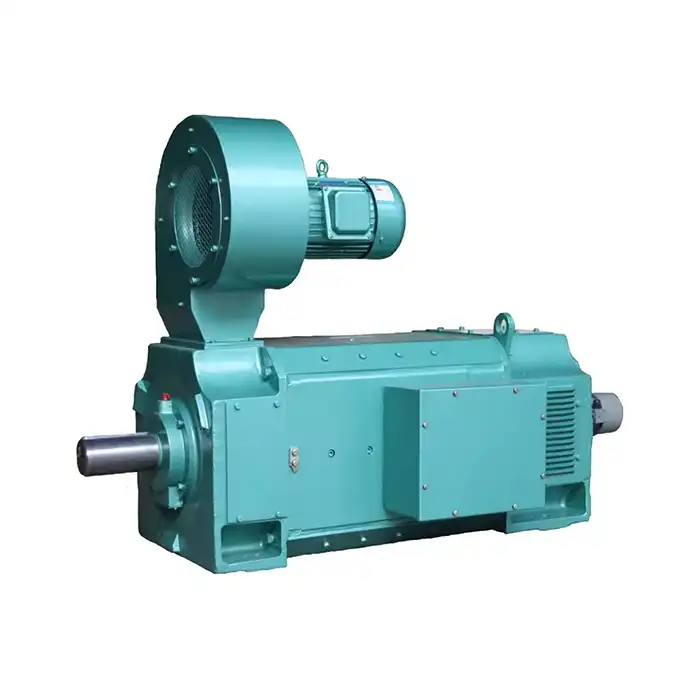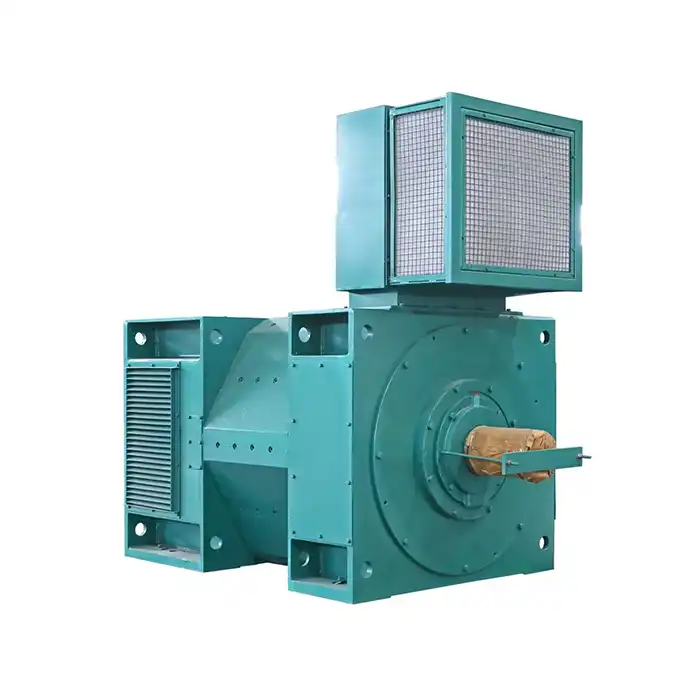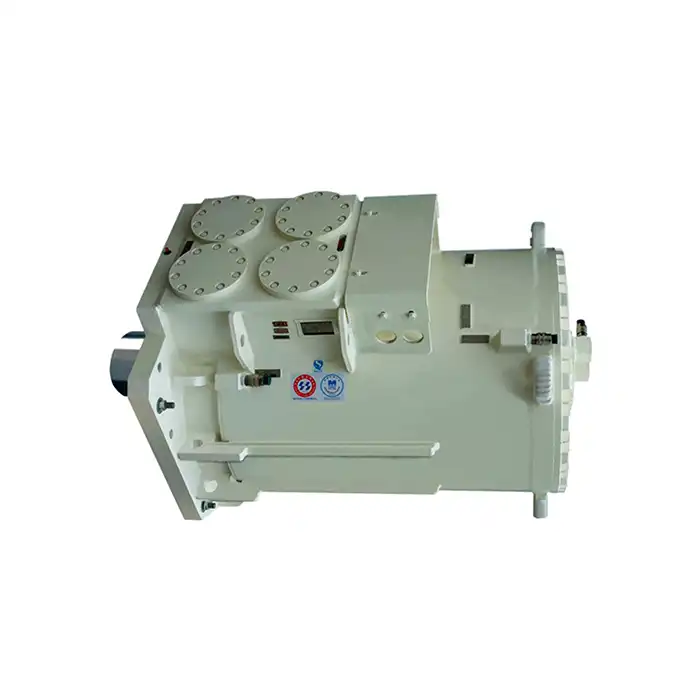




Choosing between an IE4 induction motor and an IE3 motor depends on your plant's specific energy requirements and long-term operational goals. IE4 motors deliver significantly higher energy savings with efficiency ratings exceeding 95%, making them ideal for high-usage applications where the initial investment pays off through reduced electricity costs. IE3 motors offer a lower upfront cost and adequate performance for standard applications, but consume approximately 2-4% more energy. The decision ultimately comes down to balancing your capital budget against operational savings potential.
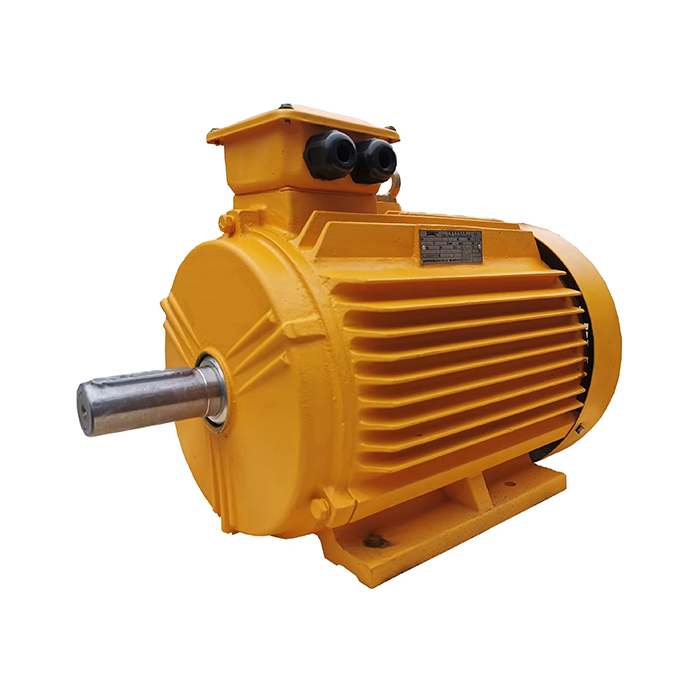
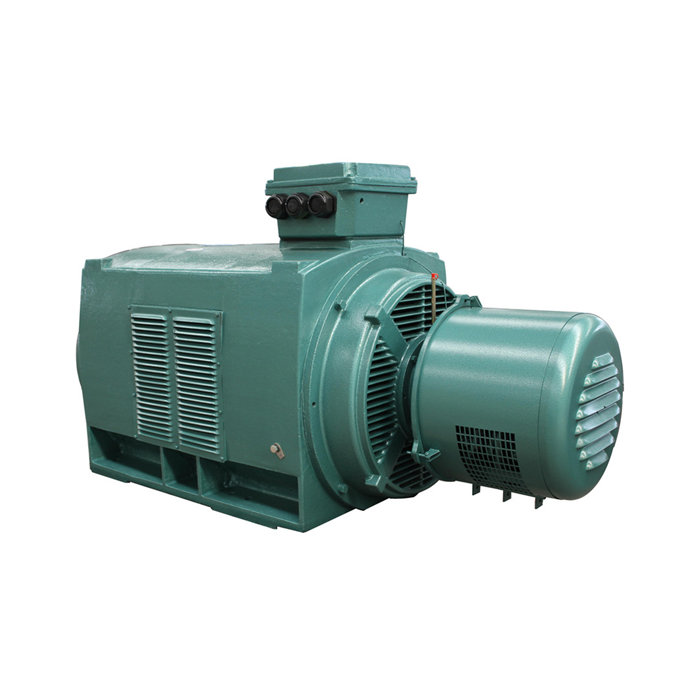
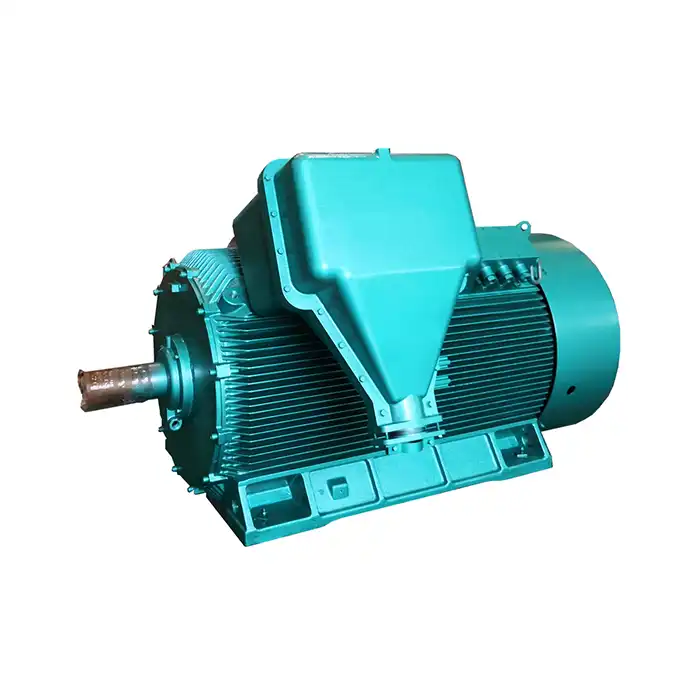
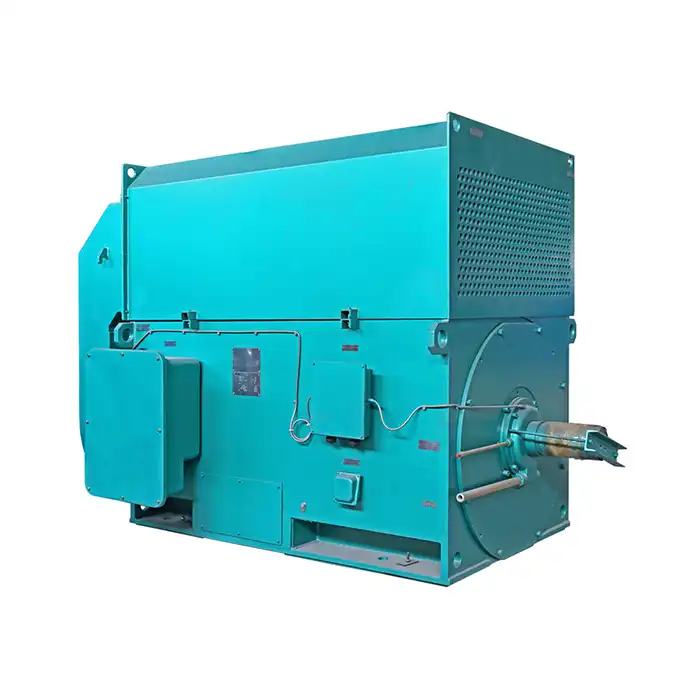
Series:YE4
Frame number: 80-450
Power range:0.75-1000kW
Protection level:IP55
Energy efficiency class: IE4
Voltage range: 380V,400V,415V, 660V,etc.
Application:can be used in various fields of the national economy, such as machine tools,water pumps,fans,compressors,and can also be used in transportation, mixing, printing, agricultural machinery, food and other occasions that do not contain flammable, explosive or corrosive gases.
Certificate: international standard IEC60034-30 ""Efficiency Classification of Single-speed Three-Phase Squirrel Cage Induction Motors"".
Advantage:The high quality of the electric motor guarantees high operational reliability.
Others: SKF, NSK, FAG bearings can be replaced according to customer requirements.
Understanding Motor Classifications and Standards
International motor classification standards help manufacturers and plant operators make informed decisions about electric motor selection. The International Electrotechnical Commission (IEC) established these guidelines to promote energy saving across industrial applications.
IE3 motors: These motors represent premium efficiency levels that became mandatory in many regions around 2011. These motors typically achieve efficiency ratings between 90-95% depending on power ratings and operating conditions.
IE4 motors: These motors represent super premium efficiency levels with even stricter performance requirements. High-efficiency motor designs incorporate advanced electromagnetic simulation techniques and improved motor winding configurations to minimize energy losses.
Motor efficiency standards continue evolving as sustainable manufacturing practices gain importance. The classification system helps industrial automation systems select appropriate equipment that balances performance with environmental responsibility.
If you need compliance with the latest energy regulations, then IE4 induction motors are more suitable for future-proofing your operations.
Performance Comparison: Real-World Test Data
Laboratory testing reveals significant performance differences between these motor categories. A 75kW motor running 8760 hours annually shows measurable variations in energy consumption.
IE3 motor
IE3 motors achieve approximately 94.1% efficiency at full load conditions. This translates to annual energy consumption of roughly 697,000 kWh under continuous operation.
IE4 motor
IE4 motors deliver approximately 95.8% efficiency under identical conditions. Annual energy consumption drops to approximately 687,000 kWh, representing a 10,000 kWh reduction.
Motor thermal management improvements in IE4 designs contribute to these gains. Advanced electric motor design features reduce core losses and improve heat dissipation characteristics.
Variable frequency drive compatibility also differs between categories. IE4 motors maintain higher efficiency across broader speed ranges when paired with modern motor control systems.
If you need maximum energy performance for continuous operation applications, then IE4 technology is more suitable for your requirements.
Cost Analysis and Return on Investment
Initial purchase prices typically favor IE3 motors by 15-25% compared to equivalent IE4 models. This price difference creates the primary decision point for many procurement teams. Operating cost calculations reveal different perspectives over time. Energy costs represent 95% of total motor lifecycle expenses, making efficiency gains financially significant.
A 100kW motor operating 6000 hours annually demonstrates clear payback periods. IE4 efficiency improvements save approximately $800-1200 annually in electricity costs depending on local utility rates. Payback periods typically range from 2-4 years for IE4 investments. Higher utilization rates and energy costs accelerate these timelines substantially. Motor reliability improvements in IE4 designs also reduce maintenance expenses. Better thermal management extends bearing life and reduces unplanned downtime costs. If you need to minimize total cost of ownership over 10+ year periods, then IE4 induction motors are more suitable despite higher initial investments.
Application-Specific Considerations
Manufacturing environments with continuous operation benefit most from IE4 efficiency gains.
- Automotive, aerospace, and electronics production facilities typically justify the efficiency premium through energy savings.
- Process control applications including pumps, compressors, and fans see substantial benefits from improved motor performance. These applications often run at varying loads where IE4 motors maintain better efficiency curves.
- HVAC systems in commercial buildings represent another strong application area. Extended operating hours combined with varying load conditions favor IE4 technology for long-term operational savings.
- Power electronics integration capabilities differ between motor types. IE4 motors generally offer better compatibility with smart motor systems and advanced motor diagnostics equipment.
- Renewable energy applications increasingly specify IE4 motors for wind and solar installations. Energy saving requirements align with sustainability objectives in these applications.
- If you need equipment for high-duty cycle applications, then IE4 motors are more suitable for maximizing operational efficiency.
Technical Specifications and Design Features
IE4 motor designs incorporate several advanced engineering elements that distinguish them from IE3 alternatives.
- Rotor construction utilizes premium materials and tighter manufacturing tolerances.
- Electromagnetic simulation during development optimizes magnetic field distribution and reduces losses. This results in lower operating temperatures and improved motor reliability.
- Power factor improvements in IE4 motors reduce reactive power consumption. This characteristic benefits electrical distribution systems by reducing overall current requirements.
- Motor noise reduction features make IE4 motors suitable for applications requiring quieter operation. Improved magnetic design reduces vibration and acoustic emissions by 3-5 dB.
- Starting current characteristics also differ between motor types. IE4 motors typically require 10-15% lower starting currents, reducing stress on electrical systems.
- Torque control capabilities remain consistent across both categories. Both motor types handle variable loads effectively when properly selected for application requirements.
- If you need advanced technical features with optimized electromagnetic performance, then IE4 motors are more suitable for demanding applications.
Installation and Maintenance Requirements
Installation procedures remain largely identical between IE3 and IE4 motors. Both categories use standard mounting configurations and electrical connections.
- Maintenance schedules differ slightly due to improved thermal characteristics in IE4 designs. Better heat dissipation extends lubrication intervals and reduces bearing replacement frequency.
- Motor diagnostics capabilities vary between motor types. IE4 motors often include enhanced monitoring features that enable predictive maintenance strategies.
- Spare parts availability affects long-term maintenance planning. IE3 motors currently have broader service networks, while IE4 support continues expanding.
- Training requirements for maintenance personnel remain minimal for both motor categories. Standard electrical safety and mechanical practices apply equally to both technologies.
- Environmental considerations during installation favor IE4 motors in temperature-sensitive applications. Improved thermal management reduces cooling system requirements.
- If you need simplified maintenance procedures with extended service intervals, then IE4 motors are more suitable for reducing operational complexity.
Market Trends and Future Considerations
Regulatory trends increasingly favor higher efficiency motor technologies. Many regions implement timeline requirements for IE4 adoption in new installations. Industrial automation systems continue evolving toward smart motor integration. IE4 induction motors generally offer better compatibility with emerging connectivity standards.
Supply chain considerations affect motor selection decisions. IE3 motors maintain broader availability, while IE4 production capacity continues expanding. Technology development roadmaps indicate continued efficiency improvements. IE5 motors enter early adoption phases, making IE4 technology mainstream rather than premium.
Sustainability reporting requirements drive efficiency selection criteria. Organizations increasingly choose IE4 motors to support carbon reduction objectives. Economic incentives from utilities and governments often offset IE4 price premiums. These programs make efficiency upgrades more financially attractive. If you need future-ready technology that aligns with evolving efficiency standards, then IE4 motors are more suitable for strategic planning.
Conclusion
IE4 or IE3 motors should be chosen by weighing the initial costs against the long-term benefits for operation. IE4 motors work great in high-use situations where the extra cost is worth it because they save energy. IE3 motors can still be used in situations where they won't be used for long periods of time or where money is tight. When making this important choice, you should think about how your plant normally works, how much energy it uses, and how efficient you want it to be. Both technologies are useful in modern industry, but IE4 motors are becoming the more popular choice for forward-thinking businesses that want to make manufacturing more sustainable and improve their operations.
Work with XCMOTOR to get the best IE4 motor solutions
For industrial use, choosing the right high-efficiency motor requires help from experts and suppliers you can trust. XCMOTOR is an expert at providing high-quality IE4 motor solutions that work well in today's manufacturing and process control settings.
Our wide range includes power ratings from 0.75kW to 1000kW, so it can be used for a lot of different tasks in the energy, HVAC, and manufacturing industries. There are five levels of protection for each motor, and they can work with 380V, 400V, 415V, and 660V sources of electricity. XCMOTOR products are different from standard ones because they use high-quality parts. We use SKF, NSK, and FAG bearings, and customers can choose which ones they want based on how they want to be maintained and how they will be used.
Our IE4 induction motors meet global efficiency standards because they are compliant with the international standard IEC60034-30. This certification gives people faith in claims of performance and compliance with regulations. Technical support goes beyond just delivering products; it also includes full consultations before and after the sale. Our team helps you choose the best motor for your needs and gives you ongoing technical support. Being able to deliver quickly keeps project schedules on track. Standard models ship between 2 and 4 weeks, but custom configurations get extra attention to keep lead times as short as possible.
When searching for a reliable ie4 induction motor supplier, XCMOTOR offers the expertise and product quality that industrial operations demand. Contact us at xcmotors@163.com to discuss your specific motor requirements and discover how our IE4 solutions can optimize your plant operations.
References
- International Electrotechnical Commission. "IEC 60034-30-1:2014 Rotating electrical machines - Part 30-1: Efficiency classes of line operated AC motors." Geneva: IEC Publications, 2014.
- European Commission. "Commission Regulation (EU) No 4/2014 on ecodesign requirements for electric motors." Official Journal of the European Union, 2014.
- ABB Motors and Generators. "Energy Efficient Motor Selection and Application Guide." Technical Publication, 2019.
- NEMA Standards Publication. "Motors and Generators MG 1-2016." National Electrical Manufacturers Association, 2016.
- Waide, Paul, and Conrad U. Brunner. "Energy-Efficiency Policy Opportunities for Electric Motor-Driven Systems." International Energy Agency Working Paper, 2011.
- IEEE Industry Applications Society. "IEEE Standard Test Procedure for Polyphase Induction Motors and Generators." IEEE Std 112-2017, Institute of Electrical and Electronics Engineers, 2018.