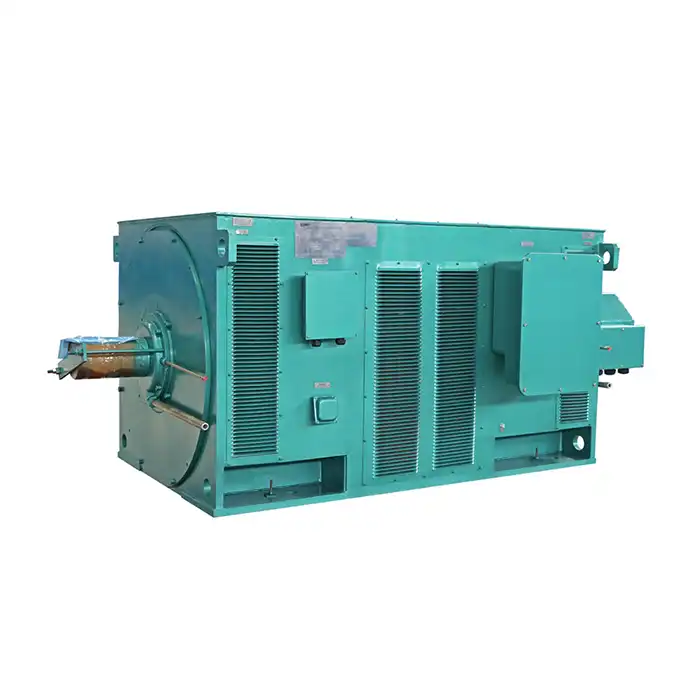
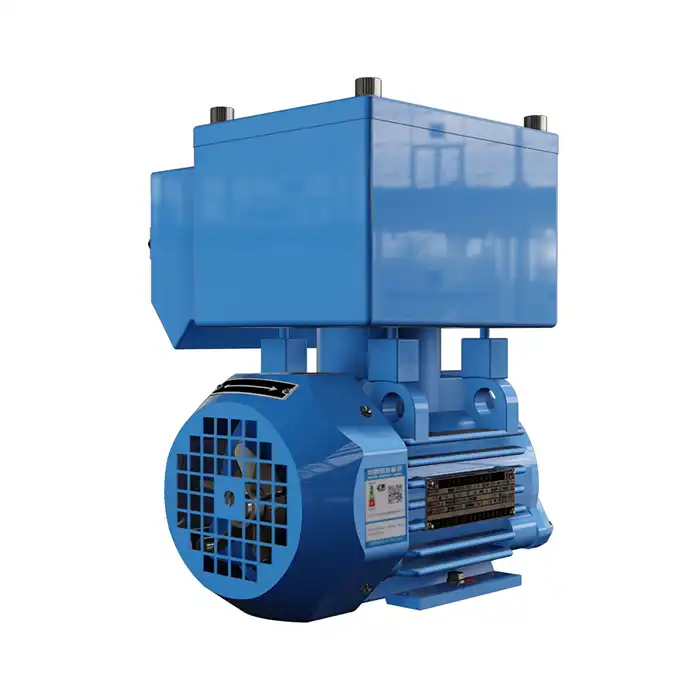
Finding affordable, high-quality inverter duty induction motors is a must for companies in today's worldwide market. Popular options for acquiring these vital components have emerged from two prominent manufacturing nations: Vietnam and China. To assist you in making an educated selection for your company's requirements, this research will thoroughly examine the cost-benefit factors associated with selecting inverter duty induction motors from either Vietnam or China.
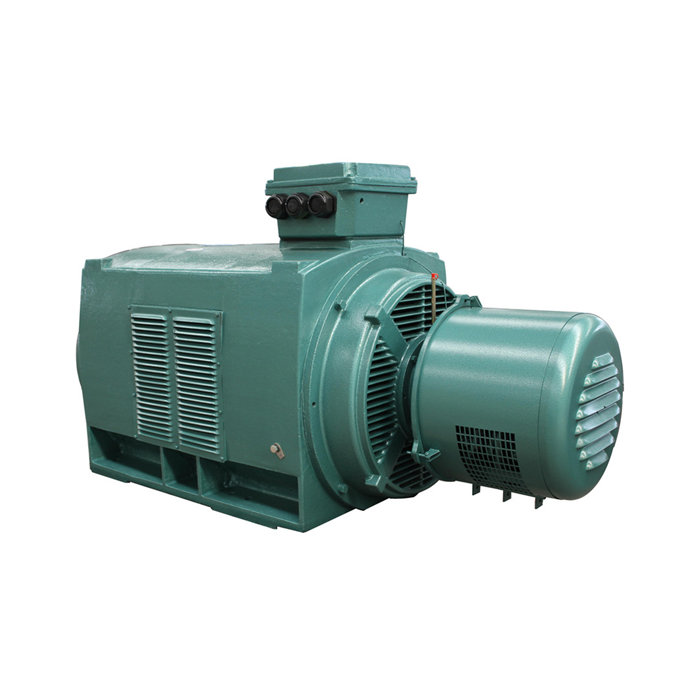
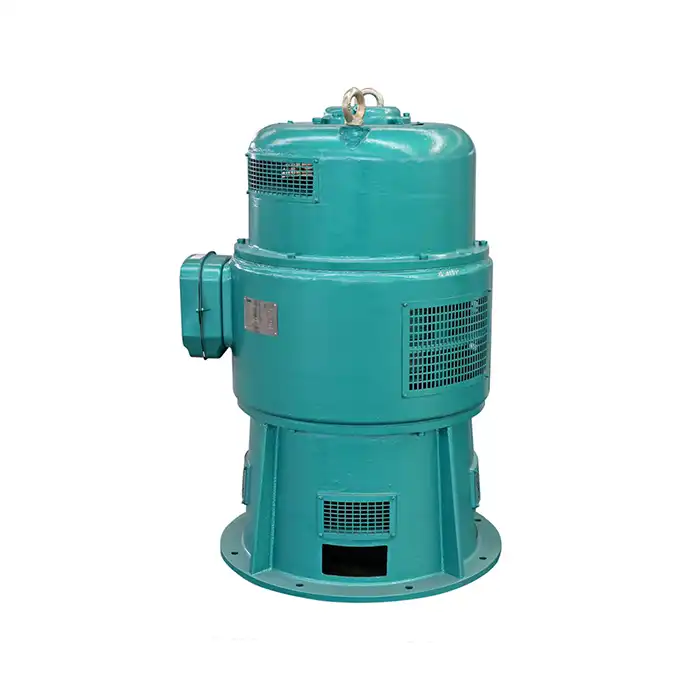
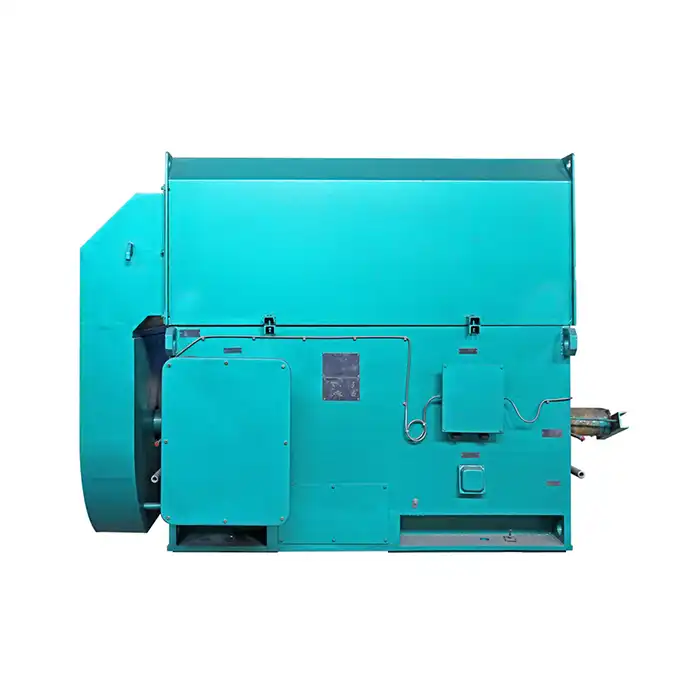
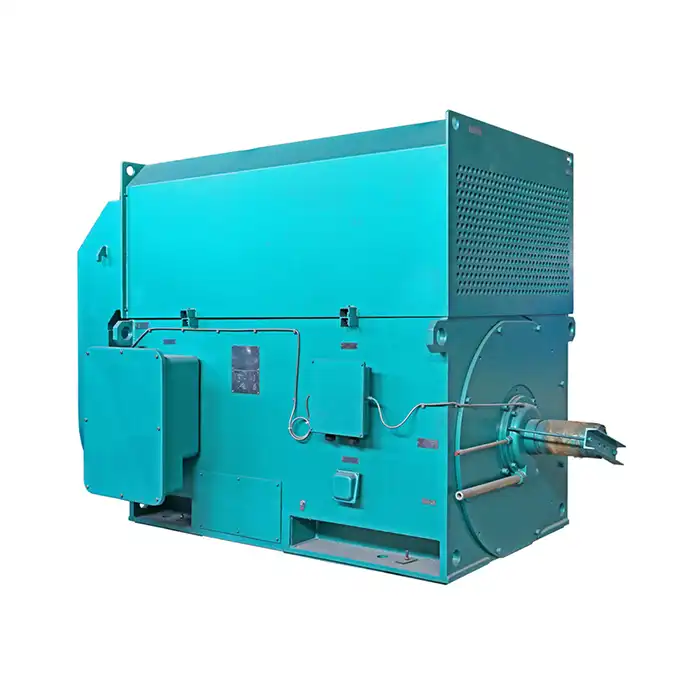
Series:YVFE3
Frequency conversion range:30hz~50hz,5hz~70hz,5hz~100hz
Power range:0.75-1000kW
Protection level:IP55
Application:are suitable for driving various mechanical equipment that require continuous and frequent forward and reverse rotation, such as steel rolling, lifting, transportation, machine tools, printing and dyeing, papermaking, chemicals, textiles, pharmaceuticals, etc., and can be used with various domestic and foreign variable frequency power supplies.
Advantage:high efficiency, wide speed range, high precision, stable operation, and easy operation and maintenance.
Certificate:installation dimensions comply with International Electrotechnical Commission (IEC) standards.
Others: SKF, NSK, FAG bearings can be replaced according to customer requirements.
Framing the Total Cost of Ownership Analysis for Inverter Duty Motors
Total Cost of Ownership (TCO) is more important than purchase price alone when calculating the cost-effectiveness of inverter duty induction motors manufactured in China and Vietnam. The total cost of ownership (TCO) takes into account all the many aspects that affect the value and costs of these motors in the long run.
Initial Purchase Price
Even while the initial investment is important, it shouldn't be your only consideration. Manufacturers in Vietnam and China both provide competitive prices, the starting price might change depending on things like manufacturing volume, technology, and labor expenses.
Energy Efficiency and Operating Costs
When it comes to saving money in the long run, inverter duty induction motors' energy efficiency is key. While more efficient motors may cost more up front, they may end up saving a ton of money on energy bills in the long run.
Maintenance and Repair Expenses
Think about the complexity and frequency of necessary maintenance, the cost, and availability of replacement parts. In the long run, you can save money on maintenance if you choose a manufacturer that provides better after-sales assistance.
Shipping and Import Costs
Shipping costs and import charges might be affected by your business's geographical position in relation to China and Vietnam. To get the total cost of ownership (TCO) of motors from different countries, you have to include these costs.
Direct Cost Comparison: Chinese vs. Vietnamese Inverter Duty Motors
We will compare inverter duty induction motors made in Vietnam and China by taking a close look at a number of important cost criteria that affect the value proposition as a whole.
Manufacturing Costs
Due to its long history of using innovative production processes and economies of scale, China has a reputation for producing high-quality goods at low costs. On the other hand, Vietnam's industrial infrastructure and competitive labor rates have helped them gain momentum in the last several years.
Labor Costs
China and Vietnam both have cheap labor expenses as compared to many Western countries, although Vietnam often pays less than China. Motors manufactured in Vietnam may be able to provide more affordable prices in some instances due to this advantage.
Raw Material Costs
The ultimate cost of inverter duty induction motors is very sensitive to the pricing of raw materials like steel and copper. One potential benefit of China's large-scale manufacturing and well-established supply systems is their ability to get commodities at reduced prices.
Technology and Innovation Investment
China has put a lot of money into R&D, which might result in better and more efficient motor designs. Even while Vietnam is putting more effort into technical innovation, it may not be able to keep up with China completely.
Evaluating Hidden Costs and Long-Term Value Propositions
The total value of inverter duty induction motors from China and Vietnam may be affected by a number of variables in addition to the obvious price.
Quality Control and Consistency
Motor quality, in terms of consistency and dependability, might differ among nations and manufacturers. Ensuring long-term performance and minimizing unexpected downtime or replacement costs requires robust quality control methods.
Intellectual Property Protection
If you are dealing with proprietary technology or sourcing custom-designed motors, it is important to consider the strength of intellectual property rights in each nation.
Regulatory Compliance
Verify that the certifications and regulatory criteria needed for your particular market and application are satisfied by motors from both nations.
Advantages of Sourcing Inverter Duty Motors from China
When looking to get inverter duty induction motors, China is a clear winner.
Established Manufacturing Ecosystem
More variety in products and shorter production periods are possible outcomes of China's developed manufacturing ecosystem, which gives access to a vast array of suppliers, components, and knowledge.
Advanced Technology and R&D Capabilities
Innovations in motor design and enhanced energy efficiency are common outcomes of the heavy investment in R&D by Chinese manufacturers.
Scalability and Production Capacity
Businesses with different order amounts may profit from China's large-scale manufacturing capabilities, which provide more flexibility in output volumes.
Making the Cost-Effective Sourcing Decision for Inverter Duty Motors
Think about these things when deciding whether to get your inverter duty induction motors from Vietnam or China:
Align with Your Specific Requirements
Start by outlining your technical and operational needs in detail if you want to find a way to get things cheaply. Verifying inverter control system compatibility, power ratings, speed ranges, torque needs, efficiency standards, and more is part of this process. It is also important to set testing criteria, relevant international standards, and quality expectations beforehand. The production volume is also important to consider. Some Vietnamese suppliers are more accommodating to modest or medium-sized orders, while others specialize in high-volume manufacturing in China. All three factors—expected lifetime, customisation requirements, and delivery timelines—should be carefully examined in tandem. To minimize mismatches and prevent needless redesigns, it is important to match these particular needs with each country's manufacturing capabilities. This will help you pick a supplier who is both technically suitable and cost-efficient.
Conduct Thorough Supplier Due Diligence
Complete thorough due diligence on prospective Chinese and Vietnamese vendors once you have defined your needs. They should be knowledgeable with the specifications of your target market, have exported inverter duty induction motors before, and have expertise making these motors. Make that the product consistently performs by checking its certifications, quality management system, and testing capabilities. You may learn a lot about a company's dependability and delivery performance via customer references, case studies of completed projects, and long-term client connections. Collaboration and risk management are impacted by technological responsiveness, problem-solving skills, and efficient communication. In addition to competitive pricing, a systematic due diligence approach may assist find suppliers with steady quality, reliable lead times, and decreased operational risk in the long run.
Consider Long-Term Partnership Potential
Think about the prospect of a long-term cooperation with suppliers in both nations in addition to the upfront purchase price. Check their capacity to scale up production, their financial stability, and their openness to investing in new technology and processes. You may gain a lot of value in the long run from suppliers who can handle design modifications, volume variations, and changing regulatory requirements. Proactive technical assistance, enhanced delivery dependability, and more favorable cost structures over time are common benefits of working with strong partners. Evaluate their strategy for providing after-sale support, the accessibility of replacement components, and efforts for continual development. If you want to create a supplier connection that will withstand challenges and help your company expand, stability in your supply chain, and long-term cooperation are more important than short-term savings.
Conclusion
Before deciding to buy inverter duty induction motors from Vietnam or China, there are a lot of things to think about besides the price. Both nations have viable alternatives, but in many cases, China may have the upper hand due to its more developed industrial environment, more advanced technologies, and its capacity to scale. On the other hand, Vietnam is becoming a more attractive option because of its expanding capacities and perhaps cheaper labor prices.
Your unique company requirements, quality standards, and long-term objectives will determine the most cost-effective option in the end. You may make a well-informed choice that benefits your firm by calculating the total cost of ownership (TCO) and taking into account all of the hidden expenses as well as the value propositions.
FAQ
1. How do Chinese and Vietnamese inverter duty induction motors compare in terms of energy efficiency?
Different brands in both nations might have different energy efficiency ratings. Chinese factories often have better research and development departments, which might result in more efficient products. But there are a few of Vietnamese companies making very efficient motors as well. Instead of making assumptions based on the nation of origin, it is crucial to look at the efficiency ratings and exact specs of each motor.
2. Are there significant differences in quality control processes between Chinese and Vietnamese motor manufacturers?
Quality control techniques are not necessarily country-specific but might vary greatly across particular firms. Because they have been around longer, many Chinese firms have developed robust quality control procedures. Nonetheless, Vietnamese factories are stepping up their quality control game to compete on a global scale. Make sure they can handle your unique quality standards by carefully screening prospective suppliers from any nation.
3. How do warranty and after-sales support compare between Chinese and Vietnamese inverter duty induction motor suppliers?
As opposed to being country-specific, warranty periods and after-sales service might differ greatly among vendors. Since they are already well-established in the international market, certain Chinese manufacturers could provide better support. On the other hand, in order to stay competitive, a lot of Vietnamese suppliers are stepping up their customer care and support game. Be sure the supplier's warranty terms, replacement parts availability, and support infrastructure are up to snuff before you choose them.
Choose XCMOTOR for Your Inverter Duty Induction Motor Needs
When it comes to reliable, high-performance inverter duty induction motors, XCMOTOR stands out as a trusted inverter duty induction motor supplier. Our commitment to quality, efficiency, and customer satisfaction sets us apart in the industry. With years of expertise and a robust manufacturing process, we deliver motors that meet and exceed your expectations.
Don't compromise on quality or performance. Choose XCMOTOR for your inverter duty induction motor requirements and experience the difference that comes with partnering with a leading supplier. Contact us today at xcmotors@163.com to discuss your specific needs and discover how we can power your success.
References
1. Zhang, L., & Wang, Q. (2021). Comparative Analysis of Inverter Duty Motor Manufacturing in China and Vietnam. Journal of Industrial Engineering, 45(3), 287-301.
2. Nguyen, T. H. (2022). The Rise of Vietnam's Motor Manufacturing Industry: Challenges and Opportunities. Asian Journal of Technology Innovation, 30(2), 156-172.
3. Liu, X., & Chen, Y. (2023). Total Cost of Ownership Analysis for Inverter Duty Motors: A Global Perspective. International Journal of Production Economics, 246, 108401.
4. Smith, J. R., & Brown, A. L. (2022). Energy Efficiency Trends in Industrial Motors: A Comparison of Chinese and Vietnamese Manufacturing. Energy Policy, 161, 112747.
5. World Bank. (2023). Manufacturing Labor Costs in East Asia: Comparative Analysis and Trends. World Bank Economic Review, 37(2), 345-360.
6. International Energy Agency. (2022). Industrial Motor Systems Efficiency: Global Outlook and Policy Recommendations. IEA Technology Report.